
Have you ever been lying on the couch, relaxing, only for your cat to jump on your chest, stomach, or lap? Ever wondered, Why Do Cats Like To Lay On You? It can feel sweet one minute and incredibly annoying the next—especially if you’re trying to stand up!
Cats do everything for a reason, even if it seems like they’re just being needy or lazy. They pay close attention to where they lay and sleep. So, if they choose you, it means something.
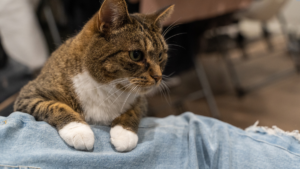
Why They Do It
They’re Seeking Warmth
One reason cats like laying on you could be as simple as warmth. Cats prefer a slightly higher body temperature than humans and love to lounge in warm spots wherever they can find them—sunbeams, radiators, piles of laundry, laptop keyboards, and people.
Your body naturally emits heat, especially when you’re sitting or lying down. To your cat, you’re a big, cozy heat source that doesn’t suddenly disappear.
You Provide Safety and Security
While cats love to act like they rule the house, they are prey animals just as much as they are predators. Because of this, cats are always scanning their environment and thinking about safety. When they choose to lay on you, they’re seeking security.
You represent everything familiar, safe, and predictable to your cat. Your heartbeat and scent are relaxing and comforting. When your cat lays on you, they’re placing themselves in what they perceive as the safest possible spot.
Kittens cuddle with their siblings and mother for warmth and protection. Your cat may be recreating those feelings of security by laying on you.
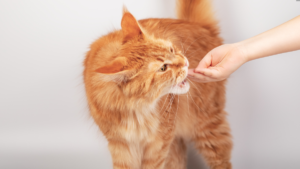
It’s a Sign of Trust and Bonding
One of the most heartwarming answers to Why Do Cats Like To Lay On You? is trust. Cats are selective about who they allow into their personal space. When your cat lays on you, they’re showing you that they trust you.
Sleeping is one of the most vulnerable things a cat can do. If your cat not only sleeps on you but prefers dozing while laying on you, that trust runs deep. They believe you won’t hurt them and will protect them if needed.
Trust builds over time through feeding, gentle handling, play, and positive daily interactions. Laying on you is one of the ways your cat shows that you’re their person.
Your Smell Is Comforting
A cat’s world revolves around scent. Much of what they understand about you and their environment comes through smell. If you’re the one feeding your cat and spending lots of quality time with them, your scent becomes familiar and reassuring.
When your cat lays on you, they’re surrounding themselves with that comforting smell. During stressful situations—such as storms, guests leaving, or routine changes—curling up on you helps them self-soothe.
Fun fact: it works both ways. While your cat is relaxing on you, they’re also leaving their scent behind. Cats have scent glands on their faces, paws, and bodies. By laying on you, they’re subtly marking you as “mine.”
They’re Seeking Social Interaction
Despite popular belief, cats are social animals—just on their own terms. In cat social groups, laying close to one another is a sign of bonding and acceptance.
If your cat grooms you, sleeps with you, or likes to lie touching you, they likely see you as part of their “group.” Cats often choose one person over others based on how that person interacts with them.
Maybe that person pets them gently, respects their boundaries, or simply has a calming presence.
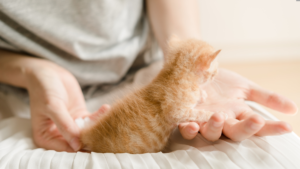
You’re Soft and Convenient
Let’s face it—humans make pretty good furniture. We’re padded, warm, and tend to stay still for long periods. From your cat’s perspective, lying on you is both comfortable and convenient.
Your lap, stomach, or legs provide a soft surface that allows your cat to fully relax. Some surfaces are too hard or unstable to allow cats to completely flop and unwind.
Cats naturally gravitate toward the best spot in the room—and sometimes, that spot is you.
Attention!
Sometimes, cats lay on you because they want something. If your cat is seeking attention, lying on you is a great way to get it.
You’re far more likely to pet them, talk to them, or interact with them if they’re physically on you. In other cases, your cat may lay on you to prevent you from doing something else.
Cats learn routines quickly. If your cat senses you’re about to stand up, work, or leave the house, they may jump on you to try to stall you.
It’s not manipulation in the human sense, but it is learned behavior. Your cat has learned that this tactic often works.
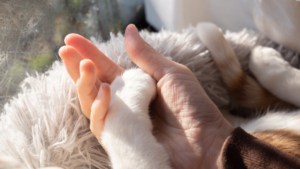
Kittenhood Shaped Their Behavior
Early experiences have a lasting impact on cats. How a cat is handled during kittenhood often influences how comfortable they are with physical contact as adults.
If your cat grew up around people, being close to you may feel natural and comforting. Laying on you can recreate the warmth and security they felt while sleeping in a pile with their siblings.
If a cat wasn’t well-socialized as a kitten, they may prefer less physical contact. This explains why some cats love laps, while others prefer sitting nearby instead.
It Helps Relieve Stress
Cats experience stress just like humans do. Changes in their environment—loud noises, new pets or people, or disruptions to routine—can increase anxiety.
When your cat is stressed, curling up on you can help them calm down. Your warmth provides comfort, and your scent helps ground them emotionally.
During stressful periods, you may notice your cat seeking you out more than usual.
You’re Sick or Feeling Down
This reason ties closely to stress relief. Cats can sense changes in your behavior and routine.
While they don’t understand illness the way humans do, cats notice when you’re less active or acting differently. In response, they may try to comfort you by laying on you more often.

Does Your Cat Laying on You Annoy You?
If you enjoy cuddling, this behavior probably feels like a gift. But if your cat outweighs your circulation or insists on sleeping on you all night, too much cuddling can become uncomfortable.
The best approach is gentle redirection. Place a warm towel or cat bed next to you so your cat has an inviting alternative. You can calmly lift them and place them there. Never push your cat away or yell—this can damage trust.
Cats lay on you for the same reason they do most things: purpose. Now that you understand why your cat loves lounging on you, you can appreciate those moments even more.
When your cat curls up on your lap, remember this—they could have chosen the couch, the bed, or any quiet corner in your home. Instead, they chose you. And that says everything about your bond.
Final Thoughts
Some people mistake cats laying on them as a dominance display. In most cases, this isn’t true.
If your cat wants a better view of their surroundings, they’ll simply climb higher—onto your chest or shoulders. Laying on you is about comfort, safety, and trust.

- Why Cats Avoid Eye Contact - January 31, 2026
- How to Stop Cats From Climbing Where They Shouldn’t - January 31, 2026
- Why Dogs Get Hyper at Night - January 31, 2026