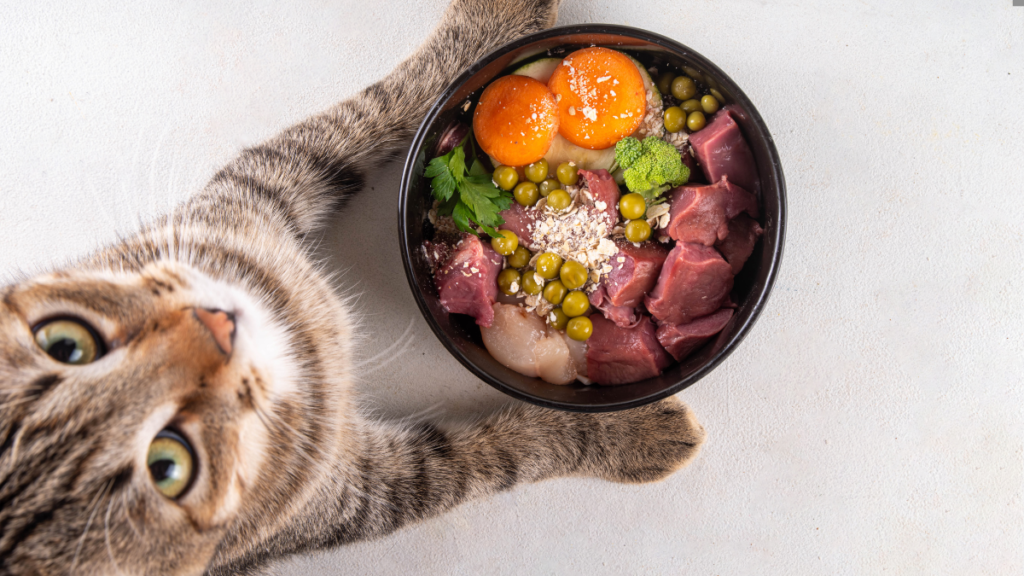
There’s nothing worse than setting a brand-new bowl of food down in front of your cat, only for it to be sniffed, scorned, and ignored—with a slow blink and a swishy tail.
Trust me—I’ve been there.
Why do cats refuse new food? How long do you try before you buy another can? Why does it feel like cats run sumo-wrestling tournaments in their heads the moment you even consider swapping out their food?
If you’ve ever faced the refusal of a cat who won’t eat their dinner, this article is for you.
Why Cats Refuse Food (+ What to Do About It) Is Not What You Think
You might be worried your cat is just being stubborn. Lazy. Spoiled. Or—heaven forbid—ungrateful.
While it can definitely feel that way, if you look closely at cat food refusal, you’ll realize it’s not their fault.
Cat food refusal is caused by your cat’s biology, psychology, and instincts.
Yes—even picky cats eat when they’re hungry. They just need your help choosing food that feels safe to them.
You see, cats aren’t rejecting your decision-making skills or your love language.
They’re trying not to get poisoned.
How to Stop Food Refusal Before It Starts
Once you understand why cats refuse new food—and how to make them like new food—it becomes surprisingly simple to switch their diet whenever you need to, without playing the begging games that leave you frustrated and wondering if your cat is ever going to eat again.
In this guide, I’ll teach you:
-
The real reasons cats refuse new food
-
Things you should NOT do if your cat won’t try new food
-
Strategies that actually work to get cats to accept new food
Ready to learn everything you should—and shouldn’t—do when feeding cats? Let’s dive in.
Kitty Food Principles You Should NEVER Ignore
Before we go any further, remember this:
Cats are creatures of habit.
And that’s okay.
Dogs were bred to tolerate change. Cats were not.
In the wild, even small changes can signal danger.
-
Moving the food bowl? Possible threat.
-
New brand of food? Hunger torture until proven safe.
Cats have an internal cautiousness about new things that keeps them alive.
Which brings us to…
Reason #1: Cats Are Neophobic
Neophobia means fear of new things.
Your cat is naturally neophobic—especially when it comes to food.
A cat that immediately dives into unfamiliar food is a cat that will eventually learn (the hard way) that food changes can be dangerous.
Food neophobia saves cats’ lives. That’s why:
-
Your cat may sniff the food and walk away
-
Your cat may lick it once, then push it off the plate
-
Your cat may eat a tiny bite and stop
Low-moisture foods are especially hit-or-miss with cats.
Remember: food equals survival. If it’s new, it’s suspicious.
Reason #2: Cats Are Early-Food Imprinted
Kittens between 2–12 weeks of age imprint on food preferences.
The foods they eat during this window often determine their lifelong preferences for texture, smell, and moisture.
-
Raised on wet food? Dry food may be rejected later.
-
Raised on dry food? Wet food may seem unfamiliar.
If you’re struggling to introduce new foods, learning your cat’s early food history can be incredibly helpful.
Reason #3: Cats Care More About Texture and Smell Than Flavor
Have you ever fed your cat the same flavor of food from two different brands, only for them to reject one?
That’s because cats don’t care about flavor the way humans do.
They care about:
Texture
-
Mouthfeel
-
Moisture level
-
Food size
Smell
-
Is it warm enough?
-
Does the bag smell different?
-
Does it smell like their safe environment?
Even something as simple as cold food—which smells less—can trigger refusal.
Emotional and Environmental Triggers for Cat Food Refusal
Reason #4: Stress and Anxiety
Yes—cats can stress-eat. And guess what they don’t do when anxious?
Try new foods.
Moving homes, visitors, schedule changes, new pets—cats feel all of it. Stress can turn a food-loving cat into a food-refusing one overnight.
Reason #5: Negative Associations
Did your cat get sick once after eating a certain food?
That food may now be permanently labeled “dangerous” in their mind.
Cats don’t connect illness logically. They connect it emotionally.
Food A = pain
Conclusion = never again
Sneaky or abrupt food switches early on can make cats resistant to any future changes.
Medical Reasons Cats Won’t Try New Food
Before assuming picky behavior, always rule out medical issues—especially if refusal is sudden.
Reason #6: Dental Disease
If chewing hurts, your cat may:
-
Approach the bowl
-
Sniff the food
-
Move it around
-
Push it away
-
Try to eat around the pain
Until you notice.
Reason #7: Digestive Upset
Does your cat lick food and walk away?
They may be nauseous.
Conditions like kidney disease are associated with decreased appetite and food avoidance.
If you’re unsure, a quick vet visit can save weeks of frustration.
Seek veterinary attention immediately if food refusal is paired with:
-
Lethargy
-
Weight loss
-
Vomiting
-
Drooling
-
Hiding
-
Signs of pain while eating
Cats should never go long without eating.
How Long Is TOO Long to Wait?
Don’t wait longer than 24–48 hours for your cat to eat.
Cats are experts at hiding pain. Food refusal is often the first visible sign something is wrong.
While the strategies below work for normal circumstances, do not push a cat that is truly refusing all food.
Behavioral Reason #8: Sometimes Cats Are Just Stubborn
Yep. I said it.
Sometimes cats are just finicky and eat when they feel like it.
Looking at you, Mr. Whiskerson.
If you’ve tried everything and nothing works, step back and try again later.
Getting Desperate? Don’t Do These Things
When worried, it’s tempting to try random fixes—but this often backfires.
Avoid:
-
Sudden food swaps
-
Offering endless leftovers
-
Starving your cat into eating
-
Leaving food out indefinitely
These strategies only increase food hesitation.
How to Get Your Cat to Try New Food (The Right Way)
Method 1: Slow Transition (7–14 Days)
-
Days 1–3: 90% old, 10% new
-
Days 4–6: 75% old, 25% new
-
Days 7–9: 50/50
-
Days 10–12: 25% old, 75% new
-
Days 13–14: 100% new
Go at your cat’s pace.

Method 2: Warm the Food
Warm food smells stronger and feels more natural.
Use warm water or briefly warm wet food—never hot.
Method 3: Match the Texture
-
Pâté → pâté
-
Shreds → shreds
-
Dry → similar-sized kibble
Texture changes should be gradual.
Method 4: Keep Feeding in Familiar Territory
Avoid frequent changes to:
-
Bowl location
-
Feeding schedule
-
Environment
Your cat’s feeding area should feel safe and predictable.
Method 5: Reward Eating
Gentle praise, pets, and calm presence reinforce positive behavior.
Do not:
-
Pressure your cat
-
Argue
-
Hover
-
Leave refused food out for long periods
Food refusal is not personal.
Special Circumstances
Senior Cats
Older cats may struggle with:
-
Reduced smell
-
Dental pain
-
Digestive issues
Stronger aromas and softer textures often help.
Prescription or Medical Diets
Always transition slowly—even within the same brand.
Let your vet know your cat’s preferences so they can recommend the best option.
How Long Should You Try?
-
Sniffs but won’t eat → go slower
-
Eats a few bites → try again later
-
Refuses entirely for 1–2 days → investigate
Food is medicine for cats.
Final Advice
The more you understand your cat’s history, preferences, and instincts, the easier feeding becomes.
Start slow. Be patient. Watch for red flags.
Once you understand why cats refuse new food and how to handle it, mealtime becomes calm again.
Your job isn’t to force your cat to eat.It’s to understand them—and know when to ask for help.Happy feeding.
Save pin for later

- The Cutest Cat Breeds in the World - March 21, 2026
- Black Cat Names That Are as Mysterious and Beautiful as They Are - March 21, 2026
- Did You Know Your Dog Could Have Diabetes? - March 20, 2026