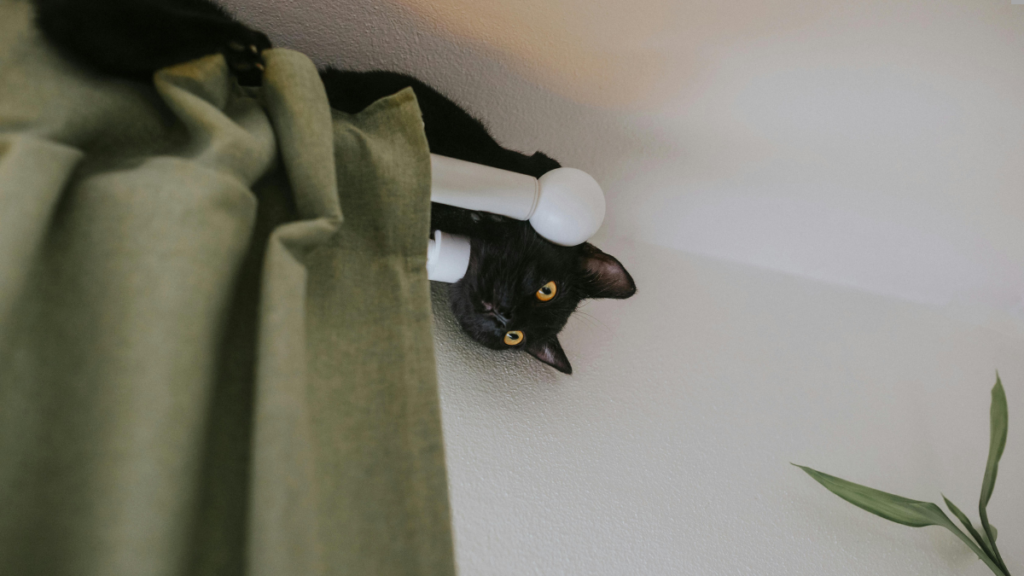
Have you ever cleaned your house until it sparkles, whipped up appetizers, and invited friends over for a night of snacks and fun—only to watch your cat disappear from sight as soon as guests arrive?
You’re not alone. Why Cats Hide From Guests has puzzled and concerned countless pet parents over the years. After all, your cat isn’t trying to be rude or antisocial. In fact, hiding is typically instinctive and triggered by their biology, personality, and life experiences.
Why Do Cats Hide From Guests? Understanding the Cat Mindset
Before diving into why cats hide from guests, let’s look at how cats view the world around them.
First, cats are territorial creatures. They are naturally cautious and sensitive. While humans thrive on social connection and new experiences, cats crave control and routine. Your house is your cat’s territory. They know where everything is and how things smell, sound, and move throughout the day.
Guests disrupt that territory.
New voices, unfamiliar smells, strange footsteps, giggling children, loud movements, and rearranged furniture can all stress your cat. When they hide, it isn’t because they’re upset with you—they’re protecting themselves.
Here are some of the most common reasons cats instinctively hide from guests:
1. Instinct
As both predators and prey in the wild, cats have spent thousands of years developing hiding behaviors.
When confronted with something unfamiliar, cats will instinctively:
-
Try to assess the possible threat
-
Avoid conflict
-
Hide until it passes
Some guests may seem especially scary to your cat. Yelling children, overly enthusiastic visitors, or adults with deep voices can trigger a cat’s instinct to stay safe.
Dogs were bred to work closely with humans for thousands of years. Cats, however, only recently began living alongside humans—and they tend to be far more independent.
2. Sensory Issues
Cats have extremely sharp senses.
Sound: Cats can hear much higher-pitched sounds than humans. Your guests’ voices may sound loud and overwhelming to your cat.
Smell: Cats have a sense of smell about 14 times stronger than ours. Suddenly, your home smells like perfume, children, or even other animals, which can feel overwhelming.
Sight: Chairs moving, groups of people gathering, and unfamiliar movement patterns can appear threatening to your cat.
All of these stimuli can hit your cat at once when guests arrive. Hiding becomes the easiest way to cope until things calm down.
3. Stress
Your home is your cat’s territory. Most animals mark and defend their territory without ever needing to physically fight.
When guests enter that territory, your cat may feel threatened. People sitting on the couch, walking through rooms, coming in and out of the bathroom, or cooking in the kitchen can all cause anxiety.
Territorial stress is one of the most common reasons behind Why Cats Hide From Guests.
4. Early Socialization
Between 2 and 9 weeks of age, kittens go through a crucial socialization phase. If they’re exposed to different people, sounds, environments, and objects during this time, they tend to grow into more confident adults.
Cats who:
-
Were adopted very young
-
Grew up in quiet homes
-
Had limited exposure to visitors
may feel especially nervous around guests. To them, visitors can seem unpredictable and overwhelming.
5. Learned Behavior
Have you ever tried to sneak up on your cat? Chances are they noticed long before you got close.
Cats have excellent memories, particularly when it comes to fear. If something scares them once, they’re unlikely to forget it.
If your cat has had negative experiences with guests in the past, hiding becomes their way of protecting themselves.
Common examples include:
-
Being chased by a guest
-
Being picked up against their will
-
Being cornered by children
-
Sudden movements or loud reactions
6. Fearful Personality
Not all cats are the same. Just like people, cats have different personalities.
Some cats are:
-
Curious
-
Social
Others are:
-
Timid
-
Skittish
Accepting your cat’s personality is an important part of understanding why cats hide from guests.
7. Routine Changes
Does your cat have a strict feeding schedule? Specific nap times?
Cats love routine. They like knowing when they’ll be fed, played with, and left alone.
Guests can disrupt these routines by:
-
Playing loudly
-
Taking over favorite sleeping spots
-
Delaying mealtimes
When your cat’s routine is disrupted, stress increases—and hiding helps them feel safe again.
Dog vs. Cat Reactions to Guests
Many people compare their cats to their dogs, especially when dogs excitedly greet guests while cats vanish.
It’s common to wonder why your dog loves visitors but your cat avoids them.
The answer lies in domestication. Dogs were bred to work alongside humans and rely on social bonds for survival. Most dogs see strangers as potential friends.
Cats, on the other hand, self-domesticated. They value independence far more—and when guests arrive, that independence often shows through hiding.
This contrast is especially noticeable in homes with both pets: the dog rushes the door while the cat slips under the table and avoids eye contact.
Can Hiding Be Harmful?
Usually, hiding is nothing to worry about. It isn’t bad behavior or even shyness in most cases.
Hiding is a normal stress response. If your cat continues to eat, drink, use the litter box, and comes out after guests leave, everything is likely fine.
However, if your cat refuses to eat, freezes up, or hides long after guests are gone, they may be experiencing anxiety.
How Long Should a Cat Hide?
As long as they need to.
The number of guests, noise level, and your cat’s personality all affect how long they hide.
Some cats hide for 10 minutes, while others stay hidden for hours. During parties or holidays, some cats may not reappear until everyone has left.
How to Help Guests Blend Into the Background
You can’t force a cat to enjoy company, but you can make guests less stressful.
Provide Safe Spaces
Create a quiet, guest-free area with food, water, a litter box, and a favorite bed or blanket.
Stick to Routine
Feed your cat at their normal time, even when guests are over.
Don’t Force Interaction
Never pull your cat out of hiding. Let them decide when they’re ready.
Prepare Your Guests
Ask guests to:
-
Ignore your cat
-
Avoid forcing interaction
-
Not stare or reach toward them
When guests “blend into the wall,” cats are often more likely to approach on their own.
Can You Train Your Cat to Stop Hiding?
Short answer: No.
Long answer: You can’t change instinct, but you can help your cat build positive associations.
Try short visits with one calm guest. Offer treats when guests arrive. Use pheromone diffusers to help reduce anxiety.
Over time, your cat may begin to feel safer around visitors.
When to Worry
Consult a veterinarian or animal behaviorist if your cat:
-
Acts aggressively
-
Stops eating
-
Hides for days after guests leave
These behaviors may signal anxiety or an underlying medical issue.
Give Your Cat Space (Literally)
One of the biggest lessons of cat ownership is that love doesn’t always mean attention.
Sometimes love looks like:
-
Letting your cat hide
-
Respecting their boundaries
-
Understanding their limits
Your cat doesn’t need to enjoy guests to live a happy, healthy life.
Conclusion
The reasons cats hide from guests aren’t mysterious once you understand how cats experience their environment.
Unlike dogs, cats aren’t driven by praise or social interaction. They value safety, comfort, and control above all else.
When you understand how territory, sensitive senses, and past experiences influence your cat’s behavior, hiding makes sense.
And with patience—from both you and your guests—your cat may one day decide that visitors aren’t so scary after all.
Save pin for later

- The Cutest Cat Breeds in the World - March 21, 2026
- Black Cat Names That Are as Mysterious and Beautiful as They Are - March 21, 2026
- Did You Know Your Dog Could Have Diabetes? - March 20, 2026