Having your cat urinate or defecate somewhere besides her litter box can be frustrating and confusing for any cat owner. You might feel that you’re doing everything “right” as a pet parent but still struggle with litter box issues. The key to understanding why cats avoid the litter box is research.
House cats are naturally very clean animals, so litter box problems are often a sign that something is bothering them—whether it’s their environment, their health, or something else. Today, we’ll discuss why cats avoid the litter box and offer solutions that work.
Why Do Cats Avoid the Litter Box?
First, let’s take a look at normal cat behavior when using the litter box. If you’ve never owned a cat before, it might surprise you to learn that they are creatures of habit and prefer to bury their waste. Cats will almost always have a reason for avoiding their litter box. By understanding normal feline behavior, you can decipher clues as to why your cat has suddenly started eliminating outside of it.
Do you remember the last time you rearranged your furniture? Cats have excellent memories, and sometimes even the smallest change can stress them out. Did you know that moving your litter box slightly can deter your cat from using it? Or what about bringing home a new kitten? Again, your cat may feel stressed or the need to protect her territory. Dogs are easygoing when it comes to finding a place to potty, but cats take their personal time very seriously. Understanding why your cat avoids the litter box can begin with these simple facts about their natural behavior.
Medical Reasons Why Cats Avoid the Litter Box
If your cat has suddenly stopped using her litter box, check for signs of medical problems. Illness or pain can make using the litter box an unpleasant experience. Your cat may begin to associate the litter box with pain, causing her to refuse to use it. Here are some medical issues that can cause your cat to avoid her litter box:
Urinary Tract Infection (UTI)
Urinary tract infections rank high on the list of causes for sudden litter box avoidance. If your cat has a UTI, she will find urination painful. Therefore, she may seek out new places to pee that don’t cause discomfort. You may notice your cat trying to urinate frequently or crying while using the litter box.
Kidney or Bladder Issues
Kidney disease, kidney failure, bladder stones, and crystals are also common culprits. Similar to a UTI, your cat may find it painful to urinate. Instead of using the litter box, she may choose carpeted spots or your bed, which feel softer and easier on her body.
Gastrointestinal Issues
If your cat is suffering from constipation, diarrhea, or other digestive problems, she may associate pain with defecating. This discomfort can cause her to avoid the litter box.
If your cat suddenly stops using her litter box, observe her closely for a few days for signs of illness. Catching the problem early allows you to take your cat to the veterinarian and treat the condition before it becomes a habit.

Environmental Reasons Why Cats Avoid the Litter Box
Since cats are naturally skittish creatures, their environment plays a huge role in litter box usage. Here are some common environmental factors:
Wrong Location
Cats like to feel secure when using the litter box. If you place it in a busy, noisy, or high-traffic area, your cat may fear being vulnerable while using it. Conversely, if the box is hidden too well, your cat may avoid it because it’s difficult to access.
Dirty Box
As mentioned, cats are very clean animals. Even if you scoop the box daily, your cat may prefer a deeper clean. Wash the litter box regularly and replace the litter often.
Not Enough Boxes
The general rule of thumb is one litter box per cat, plus one extra. For example, if you own two cats, you should have three litter boxes. Not providing enough boxes can create territorial issues and lead to accidents outside the box.
Wrong Litter
Cats can be picky about the type of litter they use. Your cat may dislike the texture or smell of the litter you provide. While preferences vary, most cats prefer soft, unscented, clumping litter.
Behavioral Reasons Why Cats Avoid the Litter Box
Stress is another major factor in litter box avoidance. Here are some behavioral reasons your cat may be avoiding her box:
Added Stress
Maybe you got a new job that requires frequent travel, leaving your cat home alone for long stretches. Or perhaps your cat dislikes the mailman and reacts every time he delivers mail. Minor changes like these can agitate your cat and lead to inappropriate elimination.
New Pet
Bringing home a new dog or kitten may be exciting for you, but your cat could perceive the newcomer as a threat. Urine spraying is common when a new animal is introduced into the household.
Household Changes
Moving the litter box can make your cat uneasy, but even moving a chair or piece of furniture can cause stress. Sometimes cats simply need time to adjust to changes in their environment.
Age
Kittens learning to use the litter box may avoid it if it’s too deep or the litter is uncomfortable. Older cats with arthritis or mobility issues may struggle to enter a traditional litter box. Shallow litter boxes can help kittens and older cats access the box more comfortably.
Fixing the Problem
No matter the reason your cat has stopped using her litter box, there are ways to fix the problem. Every cat is different, so patience and experimentation are key.
-
Rule Out Medical Issues: If the behavior is new, take your cat to the veterinarian to eliminate medical causes.
-
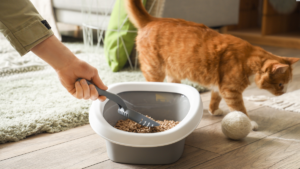
Provide Clean, Accessible Boxes: Place at least one litter box in a quiet, low-traffic area. Scoop it at least once per day, wash it regularly, and refill with fresh litter. Avoid strongly scented litters and experiment with textures your cat prefers.
-
Reduce Stress: Ensure your cat feels safe and secure in her space. If you’ve introduced a new pet or made significant changes to your environment, give your cat time to adjust. Pheromone diffusers, like Feliway, can also help reduce stress.
-
Positive Reinforcement: Reward your cat when she uses the litter box. Never punish her for accidents—it can make the problem worse and create anxiety around the litter box.
-
Redirect Behavior: Cover favorite accident spots with blankets or trays until your cat uses the litter box consistently. Gently placing her in the box after accidents can reinforce proper behavior. Repetition and patience are crucial.
When in Doubt, Visit Your Vet
If your cat continues to avoid the litter box despite your efforts, consult a veterinarian or a certified animal behaviorist. Persistent litter box avoidance can indicate deeper medical, behavioral, or environmental issues.
Final Thoughts
Accidents happen, and every cat parent faces litter box challenges at some point. With patience, research, and attention to your cat’s needs, you can solve the mystery of litter box avoidance. Providing a clean, accessible box, reducing stress, and observing your cat’s behavior will help prevent accidents and keep your home harmonious.
Do your research, give your kitty lots of love, and don’t sweat the small stuff! Your cat deserves a clean, safe space to relax and take care of her business in peace.
Save pin for later


- The Cutest Cat Breeds in the World - March 21, 2026
- Black Cat Names That Are as Mysterious and Beautiful as They Are - March 21, 2026
- Did You Know Your Dog Could Have Diabetes? - March 20, 2026