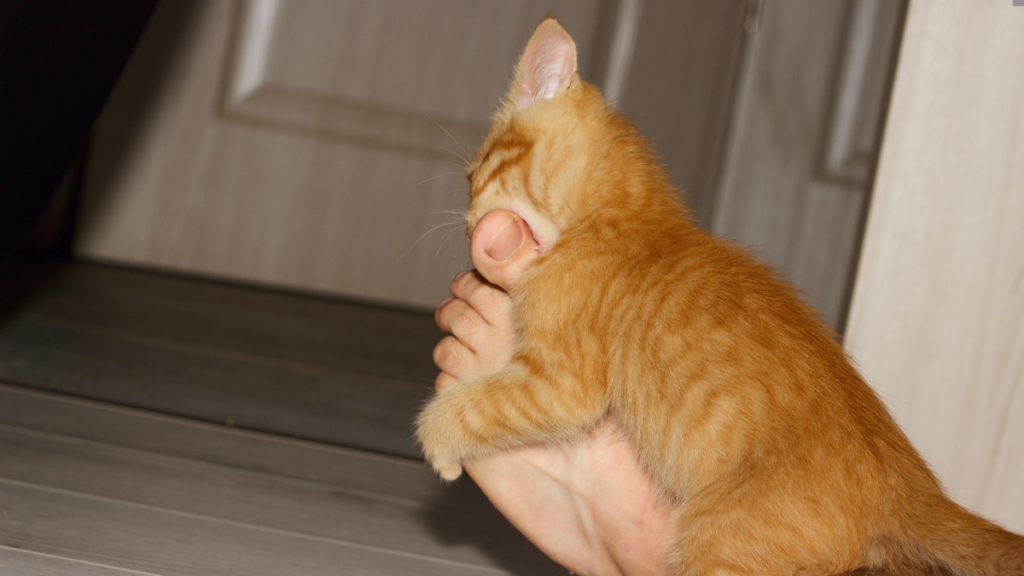
Got a cat? Chances are someone has mercilessly attacked your ankles. One minute you’re calmly walking across the room, and the next—WHAM! Kittycorn bat attack.It can be frustrating and painful. But after you stop crying laughing (because kitten bites = hilarious), you may find yourself wondering why.
Like most pet parents, you may have Googled “why does my cat attack my ankles?” over and over, hoping to find a magic solution that won’t harm your relationship with your fur baby.

Why Do Cats Attack Ankles? Is It Normal Behavior?
Yes! Attacking ankles is actually pretty normal, particularly if your cat spends most of their time indoors. Although it may feel like they’re being mean or aggressive, most of the time there’s no real malice behind it.
Cats don’t think like we do, and there are many reasons your cat may see your ankles as fair game.
Understanding why your cat attacks ankles is the first step to stopping the behavior.
Why Do Cats Attack Ankles?
Here are the seven most common reasons cats attack ankles.
1. Hunting Instincts Kicking In
Domesticated as they may be, cats are natural hunters. Indoor cats may not have the opportunity to chase real prey, but they still have an instinctual need to stalk, chase, pounce, and bite moving targets.
When your feet shuffle past them at kitty-eye level, it can activate that predatory response.
As prey, ankles:
-
Are low to the ground
-
Move unpredictably
-
Give your cat plenty of places to hide and ambush
Some cats may see your ankles as ANYMOUSE.

2. Play Aggression
Play aggression is probably the most common culprit behind ankle attacks. Think of it as pent-up energy with no acceptable outlet. Instead of proper toys and play sessions, your cat unleashes their energy on you.
Play aggression is most common in:
-
Kittens
-
Inactive cats
-
Indoor-only cats
If your cat follows their attack with a quick bite and then scampers off, they’re likely just trying to play.
3. Boredom / Lack of Stimulation
Sure, cats sleep a lot—but when they’re awake, they require plenty of mental stimulation and physical exercise. A bored cat will entertain themselves, and unfortunately, that could mean playing with your ankles.
Boredom may be the culprit if:
-
Your cat attacks at the same time every day
-
They have no toys or ignore the ones they have
-
They attack more when you’re busy doing something else
Basically, your cat is telling you they’re bored and want attention.

4. Learned Behavior From Kittenship
If kittens are allowed to practice hunting on your hands, feet, and ankles, they may believe it’s okay to do so for the rest of their lives. What’s cute and harmless with a tiny kitten can be quite painful from a full-grown cat.
Animals don’t instinctively “grow out of” bad behavior. If attacking ankles was rewarding or fun when they were younger, they may not know it’s inappropriate as an adult.
5. Stress, Fear, or Overstimulation
On the other end of the spectrum, some cats bite ankles out of fear or stress. Maybe there’s another animal outside the window they can’t reach, or they’re suddenly startled by a loud noise.
Some attackers may also be getting too much love. If you pet your cat for an extended period and they lash out, they may have reached their limit.
Signs your cat is biting out of fear or stress include:
-
More intense biting
-
Hissing or growling
-
Ears flattened against the head
-
Tail whipping
-
Yowling
These cats may bite first and warn you second.
6. Redirected Aggression
Redirected aggression is similar to stress biting, but instead of fear, frustration is the trigger. An angry or overstimulated cat may release that frustration on the closest moving target—your ankles.
For example, if there’s a dog outside your window your cat can’t reach, they may attack your ankles out of frustration.

7. Medical Reasons
Although rare, pain or discomfort can cause sudden aggressive behavior. If your cat suddenly starts attacking ankles, try to determine whether anything has changed in their environment or routine.
You may want to visit the vet if your cat:
-
Is geriatric
-
Suddenly began attacking
-
Attacks ankles with excessive force
Possible medical causes include:
-
Arthritis or joint pain
-
Toothaches or dental issues
-
Neurological conditions such as dementia or FIC
Can Cats Tell When You’re Angry?
Yes! Cats hate anger and raised voices. Yelling at your cat for attacking your ankles will only scare them and make the problem worse. Try these methods instead.
Learning to Read Your Cat
One great way to prevent attacks is learning your cat’s body language. Cats often give warning signs before they bite. Once you know what to look for, you can distract them before things escalate.
Look for:
-
Tail flicking or lashing
-
Ears turning sideways or flattening
-
Dilated pupils
-
Crouching or stalking
-
Sudden stop in play
These are telltale signs it’s about to go down.

Time to Play
Daily play is one of the best ways to curb hunting behavior because it addresses the root cause. If your cat has plenty of opportunities to “hunt” each day, they’re less likely to target your ankles.
Interactive Playtime
Experts recommend 15–30 minutes of play daily. Depending on your schedule, that may mean two or three shorter sessions.
Use toys that keep your hands safely away from claws, such as:
-
Wand toys
-
Feather teasers
-
Toy mice on strings
Go Hunting!
After playtime, serve your cat a meal. This mimics the natural hunt → catch → eat → rest cycle. A small meal signals that hunting time is over—for now.
Toy rotation is also important. Like children, cats lose interest in toys quickly. Switching toys every few days keeps things fresh.
Your Cat Goes for Your Ankles? Here’s How to Stop Them Immediately
If your cat starts attacking your ankles:
-
Try not to move (if possible)
-
Immediately redirect them with a toy—throw it away from you
-
Speak firmly if needed, but do not yell
Don’t Do This
-
Don’t yell or shriek
-
Don’t kick or swat your cat
-
Don’t physically punish them
Reacting out of fear or anger will only scare your cat and make things worse.
Environmental Enrichment Ideas
Create Layers
Give your cat more places to climb and hide by adding vertical space. Cat trees, shelves, and window perches help burn off energy and reduce stress.
Puzzle Toys
Puzzle feeders and treat-dispensing toys provide mental stimulation and can tire your cat out throughout the day.
Stick to a Routine
Cats love routine. Feeding, playing, and sleeping at consistent times can reduce anxiety-related behaviors like ankle biting.
Training Good Behavior
Yes—cats can be trained, just differently than dogs.
Reward Good Behavior
If your cat walks past your feet calmly—or chooses a toy instead of your ankles—reward them with treats, praise, or affection.
Teach Proper Play
If your cat starts stalking your ankles, immediately redirect them to a toy. Over time, they’ll learn that toys bring rewards, while ankles do not.
Consistency across all household members is essential.
When in Doubt, Consult a Professional
If the behavior persists or worsens, consider consulting a professional. A feline behaviorist can help identify the root cause and create a tailored solution.
You may also want to ask your vet about underlying medical issues that could be contributing to the behavior.
Conclusion
Why do cats attack ankles? They’re not being malicious. Most ankle biting stems from instinct, boredom, or stress. With enough play, mental stimulation, and exercise, most cats can outgrow this behavior.
Don’t forget to play with your cat!
There’s nothing wrong with your cat that patience, routine, and extra playtime can’t improve. In the process, you’ll gain a happier, healthier cat who trusts you to meet all their needs.
Save pin for later


- The Cutest Cat Breeds in the World - March 21, 2026
- Black Cat Names That Are as Mysterious and Beautiful as They Are - March 21, 2026
- Did You Know Your Dog Could Have Diabetes? - March 20, 2026