
Bringing your dog along on your next adventure is one of life’s greatest joys. Whether you’re traveling by car, plane, or train, bonding with your pup through new experiences will strengthen your relationship like never before. You’ll make memories that last a lifetime and introduce your dog to new sights, smells, and sounds they’ll remember as well.
But dog-friendly travel isn’t always as easy as booking a reservation and grabbing your keys (or plane ticket). In fact, some of the most experienced dog owners make rookie mistakes when traveling that could leave them—and their pups—stressed out and disappointed.
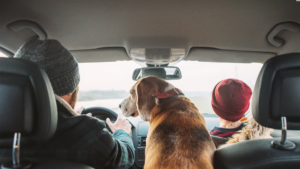
1. Not Researching Dog-Friendly Hotels, Airbnb, or Lodging
Before you book that hotel in the mountains or Airbnb near the beach, do your research and double-check that they’ll accept your pup! While many hotels, vacation rentals, and even campgrounds allow dogs, you may face limitations on breed, size, and the number of pets you can bring.
As always, read the fine print. Double-check any pet-specific policies, such as size restrictions, fees, and prerequisites. Call ahead if necessary to avoid surprise fees or outright denials at check-in.
While not all lodging will offer special amenities for your pup, some will provide dog beds, bowls, or outdoor spaces just for pets! Knowing this ahead of time can save you money and planning time.
Tip: Planning ahead is key if you have a dog. Many popular vacation destinations only allow certain dog breeds.
2. Ignoring Your Dog’s Health and Safety Needs
Did you know dogs can become seriously dehydrated, stressed, or sick during travel if their needs aren’t met? Just like you wouldn’t hop on a plane to Thailand without research and planning, use the same care when traveling with dogs.
Schedule a vet appointment before leaving to ensure vaccinations are up-to-date, and ask about any travel-specific concerns you may have. Motion sickness medication? Requests for their dog food? We’ve got you covered.
Create a doggy first-aid kit with any medications your dog requires, and pack plenty of food and water. Changes in diet can upset your dog’s stomach, so don’t risk it!
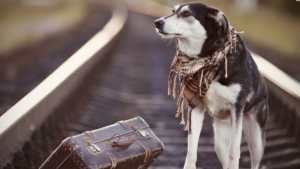
3. Not Preparing for Car or Air Travel
Never assume your dog will simply “hang out” in the back seat during road trips or a crate during flights. Without proper planning, travel can be stressful and unsafe for your dog.
When riding in a car:
-
Dogs should be secured in a crate or with a dog seatbelt.
-
Having your dog loose in the back seat allows them to move around in case of an accident and can be deadly if they’re thrust against the windshield.
When flying with dogs:
-
Try to book non-stop flights if possible. The more your dog is loaded into the cargo system, the more stressed they will become.
-
Research your airline’s policies beforehand. Some airlines require specific-sized crates, documentation, and proof of vaccinations.
-
If your dog isn’t used to riding in a crate, practice at home. Make the crate a familiar and comfortable space before traveling.
4. Forgetting ID and Tags for Your Dog
This may be one of the most obvious items on our list, but you’d be surprised how many accidents happen when people travel with dogs. Just because you’re going on vacation doesn’t mean your dog is 100% safe.
-
Make sure your dog has a collar with up-to-date identification tags that include your phone number.
-
Consider getting your dog microchipped if they aren’t already.
-
If you’re traveling to a different state or country, make sure you have the necessary vaccination documents. Many states require proof of rabies vaccination before entering, and international travel may have additional requirements.
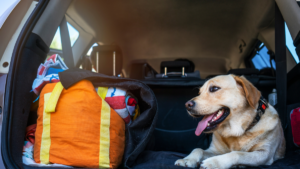
5. Not Considering Your Dog’s Personality
Some dogs are terrified of traveling in cars. Others get overly excited and jump on people. Some may even become aggressive in new environments.
Knowing your dog’s personality and comfort level will help you determine if they’ll enjoy traveling. If your dog has severe anxiety or doesn’t handle new environments well, shorter road trips may be more their speed.
Basic training and socialization skills are recommended. You don’t want your dog jumping all over guests at your hotel.
Know your dog’s triggers. Some dogs may experience stress while traveling and show signs of panting, whining, or aggression.
6. Overpacking or Underpacking
When it comes to packing for dogs, many owners go to extremes. Unfortunately, both can cause problems.
Here’s what to pack for your dog when traveling:
-
Dog food and treats
-
Water and water bowls
-
Leash and harness
-
Waste bags
-
Dog bed or blanket
-
Dog toys
Bring too much, and you’ll struggle to carry everything. Bring too little, and you might not have essentials on hand.
7. Skipping Meal and Bathroom Breaks
Just like humans, dogs need to release energy and use the bathroom regularly. Many dog owners underestimate the importance of breaks, which could ruin your trip.
-
During road trips, take your dog out every 2–3 hours for short walks.
-
Research dog parks along your route so your pup can stretch their legs.
-
Try to keep your dog’s routine as normal as possible. If you normally feed your dog at 12 p.m., don’t change that schedule just because you’re on vacation.
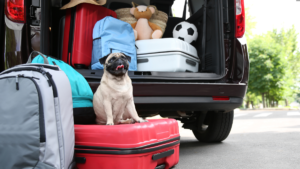
8. Forgetting About Weather and Climate Conditions
Weather can make or break your dog’s travel experience. Make sure you’re prepared for whatever Mother Nature throws your way.
Hot Weather Tips:
-
Bring water and set up shade.
-
Avoid walking your dog during the hottest part of the day.
Cold Weather Tips:
-
Short-haired dogs may require coats.
-
Bring warm blankets and towels to dry your dog.
Rainy or Snowy Weather Tips:
-
Bring towels and blankets to dry your dog.
-
Consider a waterproof jacket for extra protection.
9. Leaving Yourself Without an Emergency Plan
Life is full of surprises. You can plan all you want, but accidents happen.
-
Locate veterinary clinics near your destination and along your route.
-
Know emergency management procedures for certain areas (flooding, earthquakes, wildfires, wildlife).
-
Pack a dog first-aid kit with tweezers, gauze, and antibiotic ointment.
Don’t get caught off-guard—having a backup plan is essential.
10. Not Bringing Mental Stimulation for Your Dog
Traveling isn’t just physical; mental health is important too! Dogs can get bored or stressed from travel, which may lead to bad behavior.
-
Bring plenty of toys to keep your dog engaged during downtime.
-
Don’t overwhelm your dog with too many new sights, smells, or experiences at once. Introduce stimuli gradually.
-
Try to maintain your dog’s normal routine. Even on vacation, feed and play with your dog at the usual times.
11. Thinking Dogs Can Eat Anything While Traveling
Never assume you can feed your dog anything while on the road. Constantly changing their diet can cause upset stomachs or diarrhea.
-
Stick to your dog’s regular food from home.
-
Don’t rely on finding the same food everywhere you travel. Bring extra just in case.
-
Avoid feeding human food that may be unsafe for dogs.
12. Not Enjoying Yourself!
As dog owners, we often get caught up in planning. Planning is good! It ensures you’re prepared for anything while traveling.
But once you’re on your trip, relax and have fun with your pup. Take lots of pictures and try new dog-friendly adventures. After all, you’re on vacation too!
Conclusion
We hope our list of travel mistakes dog owners make was helpful! Traveling with dogs requires preparation, but it’s worth it in the end.
Just remember to plan ahead, be prepared for any situation, and understand your dog’s personality. You can’t control everything, but anticipating problems puts you one step ahead. And most importantly—don’t forget to have fun! Traveling with your dog is a blast and creates memories you’ll never forget.
Save pin for later


- Why Cats Avoid Eye Contact - January 31, 2026
- How to Stop Cats From Climbing Where They Shouldn’t - January 31, 2026
- Why Dogs Get Hyper at Night - January 31, 2026