
Getting a puppy is one of the most joyous, heart-swelling times of life—but it’s also often overwhelming. From sleepless nights to chewed shoes and sky-high energy levels, the first few months can leave many new owners wondering if they’re doing the “right” thing.
The unfortunate truth is that small mistakes made in those early weeks and months can set the stage for a lifetime of behavior problems.Learning to avoid the Top Puppy Training Mistakes means giving your dog the best possible start and raising a well-behaved, happy companion you can trust—and who trusts you.
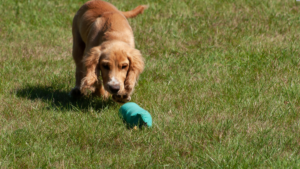
Puppy Training 101
Training is often forgotten or minimized when it comes to puppies. “They’re so cute when they’re little! We’ll train them when they’re older!”
The problem is that puppies are constantly growing, learning, and developing critical behaviors. The experiences and lessons they have now set the foundation for their future behavior, their relationship with you, and their understanding of the world for years to come.
Training isn’t just about teaching your puppy to sit on command. It’s about communication, trust, boundaries, and helping your puppy feel confident and safe in a strange new world.
When puppies aren’t trained properly, it’s rarely because they’re stubborn, naughty, or bad. More often, it’s the result of common training mistakes made by loving owners.
1. Waiting Too Long to Start Training
This is the number one puppy training mistake. One of the most common misconceptions is that puppies are too young to be trained.
Many owners wait until their puppy is six months old before beginning any form of training or setting clear rules and expectations. They assume puppies are too young or lack the attention span needed to learn.
The truth is that training should begin the moment your puppy arrives home.
This doesn’t mean harsh discipline or complicated commands. It means gently reinforcing good habits from day one.
Puppies learn every moment of every day. If you’re not teaching them, they’ll teach themselves—and you may not like the behaviors they choose.
What to Do Instead:
Start with simple skills like responding to their name, potty training, greeting people politely, and coming when called. Keep sessions short, positive, and rewarding.
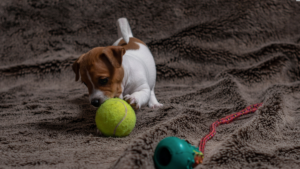
2. Being Inconsistent With Rules
Inconsistency is one of the biggest reasons puppies struggle to learn basic commands. If your puppy is allowed on the couch one day but scolded for it the next, they won’t understand what’s expected.
This often happens when multiple family members follow different rules. One person may allow begging at the table, while another corrects the puppy for it.
What to Do Instead:
Agree on household rules together and ensure everyone follows them consistently. Consistency helps your puppy learn faster and feel more secure.
3. Expecting Too Much Too Soon
Puppies have short attention spans and limited impulse control. Expecting them to sit calmly for hours, hold their bladder all day, or master complex commands early on leads to frustration for everyone.
Many owners simply don’t understand the developmental limitations of the puppy brain.
What to Do Instead:
Adjust your expectations. Celebrate small successes. Training takes time, and progress may be slow at first—but consistency brings results.

4. Using Punishment Instead of Teaching
Yelling, scolding, or physical punishment is one of the most damaging training mistakes an owner can make. While it may stop a behavior temporarily, it often creates long-term fear, anxiety, and confusion.
Punishment doesn’t teach your puppy what to do—it teaches them to fear making mistakes and, in some cases, to fear you.
What to Do Instead:
Reward good behavior with treats, praise, or play. Redirect unwanted behavior calmly and consistently.
5. Not Socializing Enough—or Doing It the Wrong Way
Socialization is often misunderstood. It’s not just about puppy playdates or meeting other dogs.
True socialization includes exposure to people, sounds, environments, surfaces, and everyday situations.
Some owners avoid socialization out of fear, while others overwhelm their puppy by introducing too much too quickly.
What to Do Instead:
Gradually expose your puppy to new experiences at their own pace. Use treats and calm encouragement to create positive associations.
6. Ignoring Mental Stimulation
Boredom is a major cause of problem behaviors like chewing, barking, digging, and restlessness.
Puppies need mental exercise just as much as physical activity. Walks and backyard play alone often aren’t enough.
What to Do Instead:
Incorporate puzzle toys, basic training games, scent work, and short training sessions throughout the day. A mentally tired puppy is usually a well-behaved puppy.
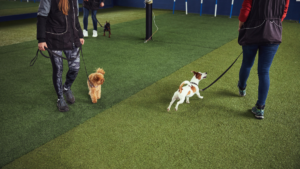
7. Inconsistent Potty Training Methods
Potty training is a common source of frustration for new owners, often because methods change too frequently.
One day the puppy is allowed to use pads indoors; the next day they’re expected to go only outside. This inconsistency delays progress and increases accidents.
What to Do Instead:
Choose a potty training method and stick with it. Take your puppy out frequently, reward successful potty trips, and manage their environment to prevent accidents.
8. Skipping Crate Training or Using It Incorrectly
Crate training is one of the most misunderstood aspects of puppy training. Some owners avoid it altogether, while others use the crate as punishment.
When used incorrectly, crates can create anxiety rather than comfort.
What to Do Instead:
Introduce the crate slowly and positively. Make it a cozy, safe place where your puppy can relax. Never use the crate as punishment.
9. Reinforcing Bad Behavior Without Realizing It
Puppies repeat behaviors that get a response. Sometimes owners accidentally reward unwanted behaviors without realizing it.
Laughing when a puppy jumps, giving attention for barking, or petting a fearful puppy to “calm them down” can unintentionally reinforce those behaviors.
What to Do Instead:
Be intentional about rewards. Give attention, treats, and praise only for calm, polite behavior. Redirect or ignore unwanted actions.
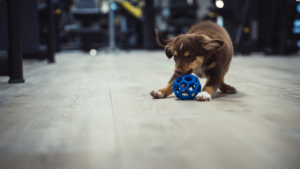
10. Training Only at Home
A puppy who listens perfectly at home may ignore commands elsewhere. This isn’t defiance—it’s a lack of generalization.
Puppies don’t automatically understand that a command applies everywhere.
What to Do Instead:
Practice training in multiple environments: your yard, quiet streets, parks, and eventually more distracting settings. Increase difficulty gradually.
11. Ending Training Too Early
Some owners stop training once their puppy learns a few basic commands. However, adolescence brings new challenges, including increased independence and boundary testing.
Stopping training too early allows earlier progress to fade.
What to Do Instead:
View training as a lifelong process. Continue reinforcing good behavior and learning new skills together.
12. Comparing Your Puppy to Others
Comparing your puppy to others—or to social media highlight reels—creates unnecessary stress.
Every puppy learns at a different pace depending on breed, personality, and background.
What to Do Instead:
Track your puppy’s individual progress. Focus on improvement, no matter how small.
How Avoiding the Top Puppy Training Mistakes Transforms Training
Owners who recognize and avoid common training mistakes often find the process far more enjoyable.
Puppies learn faster, behavior issues decrease, and trust and communication improve. The earlier mistakes are identified and corrected, the easier training becomes.
This awareness also encourages patience, understanding, and realistic expectations.
Cultivating the Best Puppy Training Mindset
Successful puppy training relies on consistency, calmness, kindness, and clear communication. Training won’t be perfect—but how you adapt makes all the difference.
Helpful principles to remember:
-
Your puppy is always learning, even outside training sessions
-
Calm, clear communication works better than frustration
-
Daily, consistent effort adds up
-
A strong bond makes training easier and more effective
Final Words
Bringing a puppy home is a joyful, life-changing experience. It’s a journey filled with excitement, challenges, and constant learning.
By understanding and avoiding the Top Puppy Training Mistakes, you can prevent common pitfalls and set your puppy up for long-term success.Great training takes time, patience, and the right mindset—but the reward is a confident, polite, and happy companion.
Save pin for later


- The Cutest Cat Breeds in the World - March 21, 2026
- Black Cat Names That Are as Mysterious and Beautiful as They Are - March 21, 2026
- Did You Know Your Dog Could Have Diabetes? - March 20, 2026