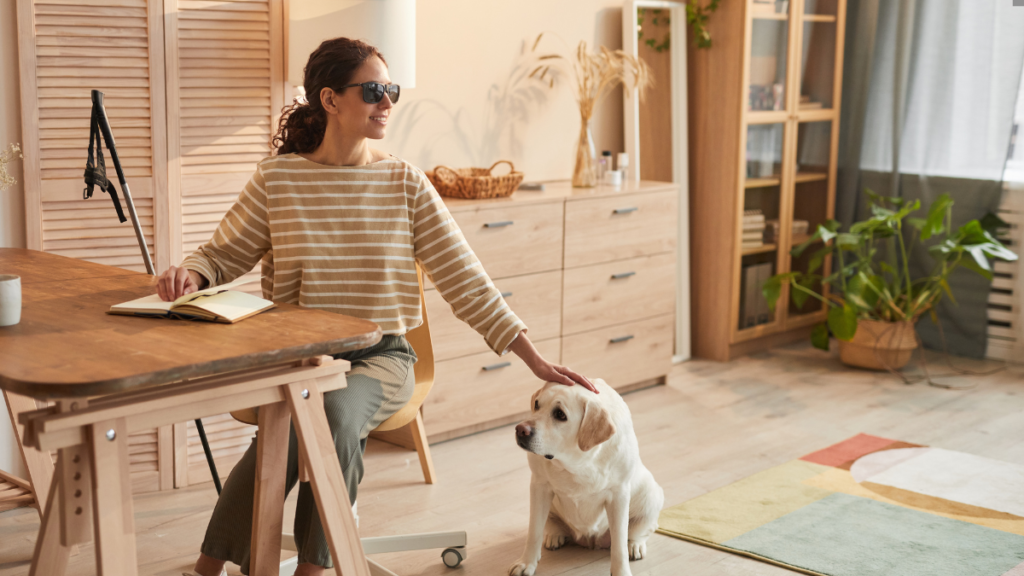
Few pet parents realize just how common anxiety is in dogs. Whether they’re quietly pacing back and forth while you’re gone, whining constantly, chewing up your favorite shoes, or shutting down emotionally, anxious dogs often suffer needlessly—especially when we don’t know how to recognize the symptoms.
When Fido first started showing signs of worry, it may have sparked questions: Are there natural ways I can calm my dog down? Do I have to resort to medication? As more pet parents realize there’s a middle ground between “just waiting it out” and forceful interventions, natural treatments are growing in popularity.

Dog Anxiety Causes + Symptoms
Before we get into strategies, let’s review common causes of dog anxiety. Anxiety affects dogs from all walks of life in different ways, depending on what they struggle with most. Some common anxiety triggers in dogs include:
-
Separation from their loved ones
-
Noise sensitivities like thunder, fireworks, lawn equipment, or sirens
-
Feeling unsettled by changes to routine or environment
-
Lack of mental stimulation
-
Emotional trauma or poor socialization as a puppy
-
Genetics
A dog with anxiety will usually tell you something is wrong through symptoms such as:
-
Yapping, howling, or excessive barking
-
Panting when not overheated or exercised
-
Trembling
-
Destroying furniture or chewing when upset or left alone
-
House soiling or inappropriate elimination
-
Seeking hiding spots
-
Following you around constantly
These symptoms shouldn’t be ignored. Chronic stress and anxiety can negatively affect your dog’s immune system, digestion, and overall well-being—which is why we put together this list of natural anxiety reducers for dogs.
1. Stick to a Predictable Routine
A daily routine is possibly the most effective natural anxiety reducer you’re not thinking about.
Why Do Dogs Need Routine?
Dogs are hardwired to understand and predict their environment. When things happen consistently, they can anticipate what comes next—and that predictability calms their brain.
When life feels erratic, loud, or unpredictable, anxious dogs live in a heightened state of stress because they can’t anticipate what will happen next.
Routine directly impacts:
-
Cortisol levels
-
Sleep cycles
-
Energy fluctuations
-
Emotional highs and lows
How to Implement
Your dog doesn’t need the same schedule down to the minute every day. In fact, that would be unrealistic. However, you should keep the following as predictable as possible:
-
Mealtimes
-
Walks and potty breaks
-
Playtime
-
Nap times and bedtime
Even small improvements can help. For example, feeding your dog around the same time each day teaches their body to expect food and comfort.
Routine gives anxious dogs something to depend on, which can ease stress-related behaviors. That’s why this is number one on The Top 5 Natural Ways to Reduce Anxiety in Dogs.
2. Provide Appropriately Engaging Exercise
Ever wonder why your dog acts “crazy” sometimes?
It’s not just to drive you nuts. Dogs burn energy through both physical activity and emotional regulation.
Movement helps dogs:
-
Release stress
-
Burn excess adrenaline
-
Sleep better at night
-
Feel more confident while exploring
When Exercise Backfires
The wrong type of exercise can actually increase anxiety. For example, swinging a tennis ball wildly in front of your dog’s face may be exhausting—but not in a healthy way.
Many dogs associate frantic energy with stress. Without proper mental engagement or behavioral structure, they can become overstimulated. When they come back inside, they’re often left with unmanaged energy.
Better Exercise Alternatives
Swap frantic games for:
-
Leisurely walks that allow sniffing
-
Relaxed hikes
-
Play that incorporates training
-
Off-leash time in a safe, controlled area
Allowing your dog to sniff during walks is one of the easiest natural ways to calm them down. Dogs process the world through scent, which naturally lowers heart rate and promotes relaxation.
3. Don’t Forget Mental Stimulation
Put simply: a bored dog is a frustrated dog.
Just like physical exercise, mental stimulation is deeply tied to how dogs are designed to function. Dogs were selectively bred to work, herd, hunt, or complete tasks alongside humans.
When those mental needs aren’t met, anxiety often fills the gap.
Why Enrichment Is Crucial for Anxious Dogs
Mental enrichment:
-
Builds confidence
-
Redirects frustration
-
Teaches dogs how to relax and focus
-
Prevents boredom-related behaviors
Simple Ways to Provide Mental Stimulation
-
Puzzle feeders
-
Stuffable toys
-
Hide-and-seek games
-
Basic obedience or trick training
-
Indoor scent games
Even just 5–10 minutes of focused mental work can have calming effects that last far longer than your dog’s afternoon nap.
Remember: enrichment plays a huge role in The Top 5 Natural Ways to Reduce Anxiety in Dogs.
Pro Tip: Intelligent or high-energy dogs often benefit the most from mental enrichment. If your dog learns quickly or struggles with restlessness, consider DIY enrichment activities that challenge their brain.
4. Try Natural Calming Supplements and Sensory Support
Mother Nature has provided some helpful tools to support your dog’s nervous system naturally.
Natural Supplements (Consult Your Vet First)
Before starting any supplement—especially if your dog is on medication—consult your veterinarian. Some options you may discuss include:
-
Chamomile
-
Valerian root
-
L-theanine
-
CBD*
*Always choose a pet-specific formula and consult your veterinarian before introducing CBD.
These supplements can help take the edge off anxiety but are most effective when paired with proper enrichment, routine, and training.
Soothing Scents and Sensory Tools
Dogs experience the world primarily through smell. Even opening a bag of familiar treats can help calm your dog as they process scent information.
Some calming sensory options include:
-
Lavender oil (used safely and sparingly)
-
Dog-appeasing pheromone diffusers
Deep Pressure Therapy
Pressure wraps and calming vests apply gentle pressure that encourages the “rest and digest” response. These tools can be especially helpful during thunderstorms, fireworks, or travel.
5. Connect With Your Dog on an Emotional Level
Your relationship with your dog is the most powerful tool you have for easing anxiety.
Dogs Sense Your Emotions
If you’re tense, your dog can feel it. That doesn’t mean you need to be perfectly calm all the time—but your dog looks to you for emotional cues and guidance.
The more you know: calm guidance builds confident dogs.
Dogs with strong bonds and clear communication feel safer because they understand what’s expected of them.
What to Avoid With Anxious Dogs
-
Yelling at your dog for fear-based reactions
-
Constantly coddling them when stressed (this can reinforce fear)
-
Ignoring early signs of anxiety
Instead, acknowledge your dog’s feelings, offer reassurance, and gently redirect them. The stronger your relationship, the more secure your dog will feel.
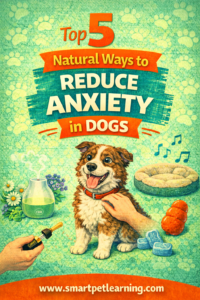
Increasing emotional security is the key to all of the Top 5 Ways to Reduce Anxiety in Dogs.
How Long Will It Take?
Natural methods won’t fix anxiety overnight. Like any meaningful change, progress happens gradually.
Some dogs improve within days. Others may need weeks or months of consistency.
Signs of progress include:
-
Faster recovery after stressful events
-
Less intense reactions
-
Improved sleep quality
-
Increased confidence
Conclusion
Anxiety in dogs isn’t something to ignore, but it also doesn’t mean your dog is broken or beyond help. When you understand that anxiety is a stress response—not bad behavior—you can begin supporting your dog in ways that truly make a difference.
By focusing on predictable routines, balanced exercise, mental enrichment, natural calming support, and a strong emotional connection, you’re addressing anxiety at its roots rather than just managing symptoms. These natural approaches work together to help your dog feel safe in their environment, confident in themselves, and secure in their relationship with you.
Progress won’t always be instant, and that’s okay. Small, consistent changes often lead to the biggest improvements over time. As your dog learns what to expect from their day and from you, their nervous system can finally relax.
Save pin for later

- The Cutest Cat Breeds in the World - March 21, 2026
- Black Cat Names That Are as Mysterious and Beautiful as They Are - March 21, 2026
- Did You Know Your Dog Could Have Diabetes? - March 20, 2026