Dogs have earned the title of “man’s best friend” for a reason. They provide companionship, entertainment, and a steady dose of unconditional love. While we may understand our furry friends’ love for us, other emotions can sometimes feel like a foreign language.
Recognizing the signs your dog is happy is not only rewarding but also essential for ensuring their overall well-being. In this article, we will explore the top 10 signs your dog is happy.

1. Wagging Tail (in the Right Way)
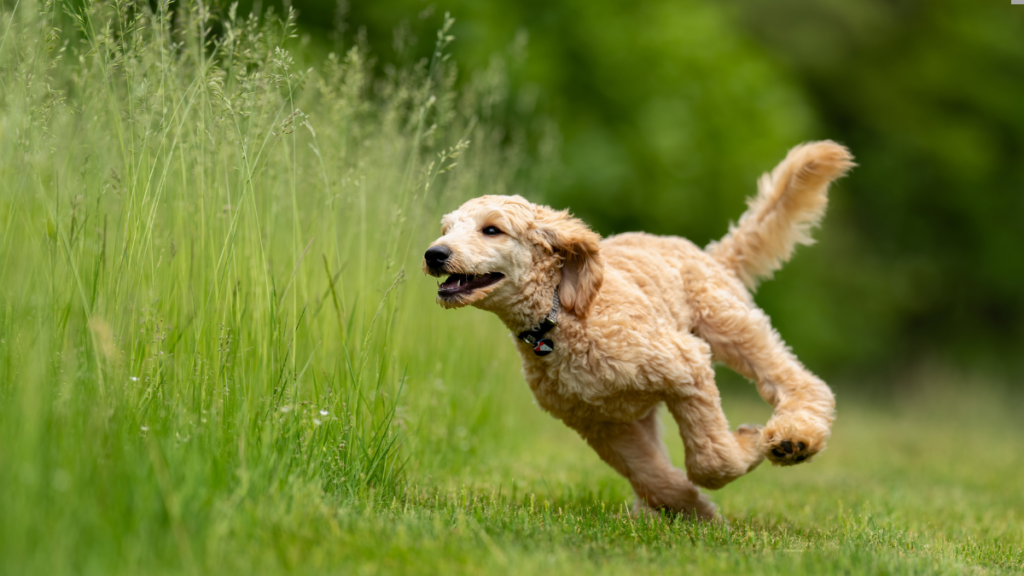
One of the first and most obvious signs your dog is happy is tail wagging. Dogs use their tails to express a wide range of emotions, from excitement to nervousness. When your pup wags their tail in a happy-dog way, it’s a clear signal that they’re content and in a positive mood. Happy tail wagging usually involves a loose, wide-sweeping motion.
Sometimes, you might notice your dog wagging their tail even faster, almost in circles, as they try to contain their excitement. This is especially common when greeting you after work—they can hardly wait to show their joy.
While tail wagging is the clearest sign of happiness, observing tail position can provide additional clues. A happy dog typically holds their tail at a mid-level, relaxed position—not tucked down in fear or perked up rigidly.
2. Relaxed Body Language
A happy dog displays relaxed and easygoing body language. Dogs in a good mood have loose muscles, soft eyes, and ears in a neutral position. Their paws are relaxed, and they don’t appear stiff or tense.
Play bows are another classic indicator of happiness. In this posture, a dog lowers its front legs while keeping its hindquarters raised, signaling that they’re playful and content. Combined with a wagging tail, these cues strongly indicate that your dog is in a good mood.
3. Playfulness
Dogs are naturally playful, and their eagerness to engage in games is a clear sign of happiness. Whether it’s playing fetch, tug-of-war, or chasing you around the yard, a playful dog is typically feeling energetic, safe, and emotionally fulfilled.
It’s important to remember that dogs have different play preferences. Some enjoy high-energy games like running or wrestling, while others prefer mental stimulation through puzzle toys or obedience exercises. Regardless of their style, a happy dog will always show enthusiasm for play.
4. Affectionate Behavior
Happy dogs often seek affection from their favorite humans. Cuddling, leaning against you, licking your hands or face, and resting their head on your lap are all signs of trust and contentment.
Dogs in a good mood may also engage in “bonding behaviors,” such as following you from room to room or mirroring your movements. Seeking closeness and attention is a strong indication that your dog is happy, and sharing affection reinforces your bond.
5. Healthy Appetite
A happy dog usually maintains a healthy appetite and looks forward to meals and treats. Stress, anxiety, or illness can cause a dog to lose interest in food or become picky, so a consistent appetite is often a good sign of contentment.
While individual eating habits vary, a dog that eats enthusiastically and consistently is likely feeling emotionally and physically healthy.
6. Good Sleep Patterns
Sleep can reveal a lot about your dog’s emotional state. Happy dogs typically sleep well and maintain a regular schedule. They may curl up comfortably, stretch out, or sleep through the night without restlessness or anxiety.
Dogs who nap in relaxed positions, sometimes even exposing their belly, demonstrate that they feel safe and secure in their environment. Observing your dog’s sleep habits is an excellent way to gauge their happiness levels.
7. Healthy Grooming Habits
Dogs naturally groom themselves, and happy dogs usually maintain these routines. Licking their fur, paws, or other body parts is a normal, comforting behavior.
Excessive grooming can indicate stress or a skin condition, while a lack of grooming may suggest illness or depression. Some dogs also enjoy being groomed by their owners, through brushing or gentle massages, which further indicates contentment.
8. Whole-Body Wagging
In addition to tail wagging, happy dogs often wag their entire bodies. This may include swaying their hips, moving their ears, or bouncing slightly with excitement. Whole-body wagging is a clear display of joy and is often seen when dogs anticipate a favorite activity, like a walk or playtime.
These gestures, sometimes accompanied by happy vocalizations, help dogs express their excitement and reinforce their positive emotional state.

9. Excited Greetings
A happy dog greets their favorite humans enthusiastically. Tail wagging, jumping, spinning, and playful movements are all common signs of joy when they see you.
Even smaller gestures, like perking up ears when you call their name or wagging their tail when you enter a room, indicate that your dog associates you with positive experiences. Dogs are highly intuitive, so consistent happy greetings reflect strong attachment and contentment.
10. Relaxed Vocalizations
Dogs communicate through sounds, and happy dogs often produce soft, relaxed vocalizations. These may include gentle barks, sighs, or low grumbles while playing or resting.
The context and tone of these vocalizations are important. A happy dog’s sounds are usually playful and calm, rather than frantic, aggressive, or anxious. These gentle noises help you understand their emotional state and reinforce signs of contentment.

Bonus: Top 3 Tips for Ensuring Your Dog Is Happy
While recognizing the signs of a happy dog is important, maintaining their happiness is equally vital. Here are three ways to keep your dog content:
-
Exercise – Regular physical activity prevents boredom and keeps your dog healthy, both physically and emotionally. Walks, playtime, and mental stimulation are all important.
-
Healthy Diet – A balanced diet supports overall well-being. Providing proper nutrients keeps your dog energized, healthy, and emotionally fulfilled.
-
Affection – Dogs crave attention and love. Regular cuddles, play sessions, and bonding time strengthen your relationship and contribute to a happy dog.
In Closing
The top 10 signs your dog is happy include wagging tails, relaxed body language, playfulness, affectionate behavior, a healthy appetite, good sleep patterns, and proper grooming. Other signs include whole-body wagging, excited greetings, and relaxed vocalizations.
By recognizing these behaviors and providing proper care—exercise, a healthy diet, and affection—you can ensure that your dog remains happy and healthy. In return, they will provide you with unconditional love and loyalty, which is the ultimate reward for any pet parent.
Save pin for later


- The Cutest Cat Breeds in the World - March 21, 2026
- Black Cat Names That Are as Mysterious and Beautiful as They Are - March 21, 2026
- Did You Know Your Dog Could Have Diabetes? - March 20, 2026