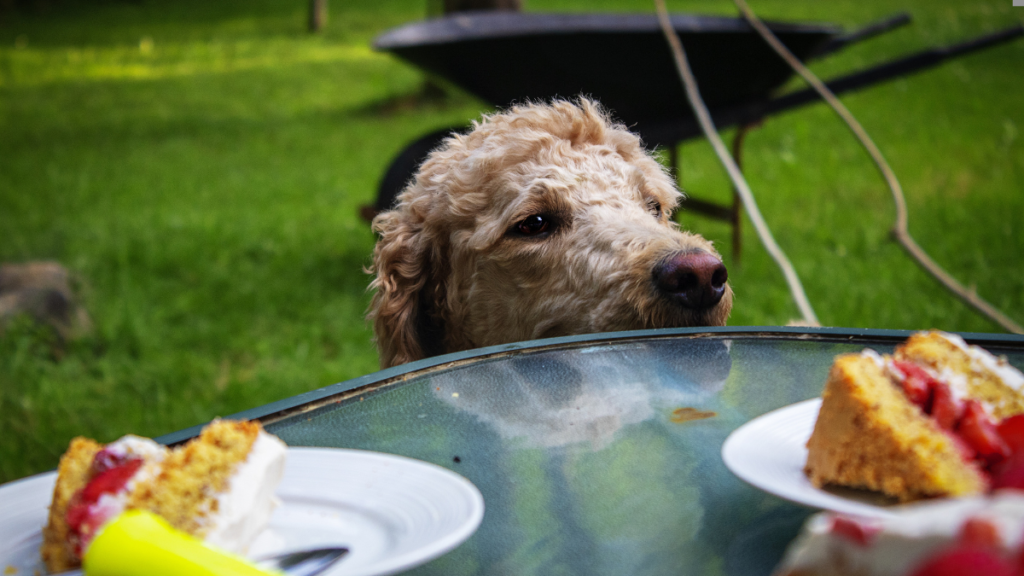
Do you feel like your dog has no impulse control? Does your dog struggle to stay seated? Jump on people? Grab food? Lose their mind the second something exciting happens?
Dogs aren’t born with impulse control. They learn it gradually. With patience and practice, almost any dog can learn strong impulse control.
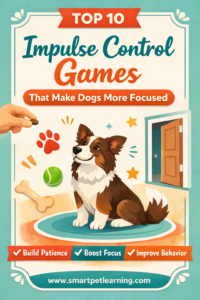
Top 10 Games That Build Impulse Control for Dogs isn’t clickbait. It’s a promise to you and your dog. These games are simple, effective ways to teach your dog focus and patience.
Wait… Why Is Impulse Control Important?
Dogs live exciting lives full of triggers and rewards. Birds flying by? Tug time! Someone walking through the door? FRIENDS!
The list goes on and on. Everyday dog life is filled with exciting things dogs want to rush toward.
If your dog doesn’t learn impulse control, they will react every time. Welcome to a life of:
-
Jumping on kids and adults
-
Pulling on the leash
-
Barking, howling, and yapping
-
Snatching food and items
-
Refusing to listen
-
Chasing cats, wildlife, and lawn decorations
Impulse control causes dogs to pause between feeling excited and reacting. During this pause, dogs can decide to do something else.
An impulse-controlled dog will:
-
Pay more attention to you
-
Settle down quicker in exciting situations
-
Follow commands more consistently
-
Have less frustration and anxiety
-
Behave better around distractions
These games are designed to strengthen your dog’s impulse control in a positive, supportive way. Many require no equipment and cost nothing. Daily five- to ten-minute sessions can yield big results.
Watch your dog’s improvement as they learn to focus better with Top 10 Games That Build Impulse Control for Dogs.
10 Fun Games That Teach Dogs Impulse Control
All of these games start with you holding a high-value treat (something your dog loves!) in your hand.
1. The “Leave It” Game
This classic game teaches dogs that good things happen when they resist temptation.
How to Teach:
Allow your dog to sniff your hand. Let them lick, paw, and drool all over your closed hand. As soon as they release their attention, say “yes” or “good” and give them a better treat from your other hand.
Repeat until your dog realizes that the more they ignore your closed hand, the better treat they get.
Why It Works:
Your dog learns self-control and that looking to you before snatching something is rewarded.
Advanced Version:
Place treats on the ground and cover them with your hand. Slowly uncover while marking and rewarding your dog for waiting.
2. Wait at the Door
Opening doors is exciting for dogs. They want to go out now.
How to Teach:
Before opening a door, have your dog sit. Slowly open it a few inches. If your dog jumps up or rushes forward, close the door and start over. When your dog remains seated, open the door and release them with a cue like “okay.”
Why It Works:
Your dog learns they must wait patiently to earn the reward of going through the door.
Real-Life Application:
Fewer escapes, and your dog learns to pause before rushing through doors.
3. Food Bowl Manners
Mealtime is a perfect opportunity to practice patience.
How to Teach:
Hold your dog’s food bowl. Ask for a sit. Slowly lower the bowl. If your dog stands, lift it back up. Keep repeating until your dog remains seated. Then place the bowl down and release them to eat.
Why It Works:
Your dog learns that eating isn’t automatic—they must wait for permission.
Bonus:
Your dog gains respectful habits in a positive way.
4. The “It’s Yer Choice” Game
Dog trainer Susan Garrett popularized this game. It’s fantastic for teaching dogs to choose appropriate behavior.
How to Teach:
Place a few treats in your open hand. If your dog grabs, close your hand. The moment your dog pulls away or looks away, open it again and reward.
Why It Works:
Your dog learns that choosing not to grab leads to rewards.
5. Tug With Rules
Contrary to popular belief, tug reduces aggression when taught properly.
How to Teach:
Play tug normally. Randomly freeze the toy and cue “drop it.” When your dog releases, reward and resume play.
Why It Works:
Your dog learns to switch from excitement to calm on cue.
Rule: Always start and end tug games on your terms.
6. The “Place” Game
This teaches your dog to relax on a mat or bed.
How to Teach:
Lead your dog to a mat. When they step on it, mark and reward. Increase the time they stay before releasing.
Why It Works:
Dogs learn where to go to calm down instead of roaming or reacting.
7. Red Light, Green Light
Controlled movement games are incredibly helpful.
How to Teach:
Encourage your dog to move toward you (“green light”). After a few steps, say “stop” and freeze. Reward your dog for stopping.
Why It Works:
Teaches dogs controlled movement and quick response.
8. Treat Toss Focus Game
This teaches your dog to refocus after excitement.
How to Teach:
Toss a treat. When your dog finishes and looks back at you, mark and reward.
Why It Works:
Dogs learn that checking in with you earns rewards.
9. Hide and Seek
A fun recall and focus game.
How to Teach:
Have your dog stay while you hide. Call them and reward when they find you.
Why It Works:
Dogs practice waiting, listening, and responding.
10. Slow Treat Delivery
Simple but powerful.
How to Teach:
Hold a treat near your dog’s nose. If they snatch, pull it back. Slowly move it forward and only give it when they remain calm.
Why It Works:
Dogs learn that good things come to those who wait.
How Often Should You Play?
-
5–10 minutes per session
-
1–2 times per day
-
Rotate games to keep them fun
Start in low-distraction areas, then increase difficulty gradually.
Common Mistakes to Avoid
-
Increasing difficulty too soon
-
Using punishment
-
Being inconsistent
-
Expecting instant perfection
Signs You’re Doing Great
-
Your dog waits instead of lunging
-
Checks in with you more
-
Calms down faster
-
Listens better
-
Appears more thoughtful
Games Teach Dogs How to Think
Commands tell dogs what to do. Games teach them how to think.
Games help dogs learn to:
-
Pause
-
Choose better behavior
-
Control excitement
-
Check in with you
Training feels like work. Games feel like fun—and dogs learn best when learning feels safe and enjoyable.
Wrap-Up
Want a dog who behaves better every day? It starts with impulse control.
These games help you and your dog:
-
Build a stronger relationship
-
Improve daily behavior
-
Live happier, less stressful lives
-
Create a calmer home
Pick one or two games and start today. Keep it light. Keep it fun. Your dog will amaze you with how quickly they improve—because for dogs, play is the best way to learn.
Save pin for later

- The Cutest Cat Breeds in the World - March 21, 2026
- Black Cat Names That Are as Mysterious and Beautiful as They Are - March 21, 2026
- Did You Know Your Dog Could Have Diabetes? - March 20, 2026