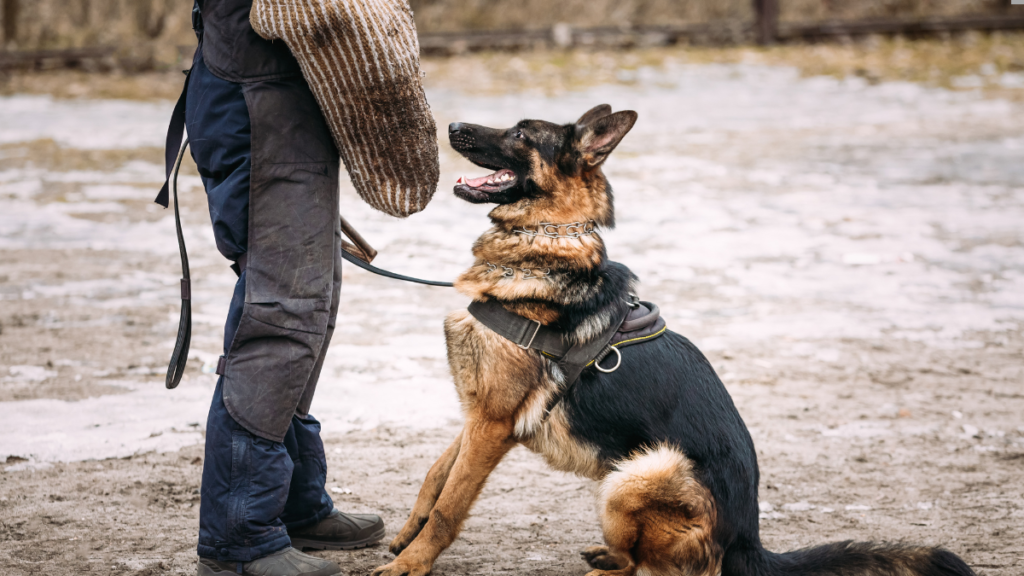
Training your dog can be one of the most rewarding experiences of dog ownership. Teaching your dog basic commands isn’t just about obedience—it’s a wonderful way to bond, provide mental stimulation, and channel your dog’s energy productively.
Whether you have a playful puppy or a mature adult dog, learning basic commands will help your dog understand the rules of the house, become a well-behaved family member, and build a stronger connection with you.
The good news is that you don’t need to be a professional trainer to succeed. With patience, consistency, and positive reinforcement, any dog—regardless of age or breed—can learn basic commands.

Why Teaching Basic Commands Matters
Dogs don’t instinctively know how to follow commands—they need to be taught. Commands like sit, stay, come, heel, and leave it are essential for safety, mental stimulation, and good behavior. Teaching these commands can prevent accidents, manage risky situations, and reduce boredom-driven behaviors like chewing, barking, or digging.
Beyond safety and behavior, training strengthens your bond with your dog. A dog that understands basic commands can progress to more advanced tricks and enjoy a richer, more engaging relationship with their owner.
How Dogs Learn
Dogs learn primarily through association and repetition. They tend to repeat behaviors that bring positive results, such as treats, praise, or playtime. Timing is crucial, as dogs live in the moment and need immediate rewards to connect behavior with outcome. Positive reinforcement is the most effective training method, while punishment can harm trust and slow learning.

Preparing for Training
Equipment You’ll Need
-
Small, soft treats (pea-sized is perfect)
-
A leash
-
A collar or harness
-
Optional: clicker
Treats are used to reward and reinforce good behavior. Avoid large treats that might fill your dog up too quickly.
Setting Realistic Expectations
Training takes time. Dogs vary in age, breed, personality, and past experiences, so progress may differ. Short, frequent sessions and patient repetition are far more effective than expecting instant results.
Positive Reinforcement Training
Positive reinforcement means rewarding behaviors you want to encourage. For example, when teaching your dog to sit, you immediately reward the behavior with a treat and praise. Always focus on teaching what to do, not what not to do. Harsh corrections or punishment damage trust and hinder learning.

Core Commands and How to Teach Them
1. Sit
-
Hold a treat in front of your dog’s nose.
-
Move it upward and slightly back over their head.
-
As their head follows, their bottom will naturally lower.
-
The moment they sit, say “sit” and reward.
-
Practice for 5-minute sessions several times a day until the command is learned without a treat.
2. Stay
-
Ask your dog to sit.
-
Hold your palm up and calmly say “stay.”
-
Step back slightly.
-
If your dog stays, immediately reward and praise.
-
Gradually increase distance and duration, keeping sessions short.
3. Come
-
Put your dog on a leash.
-
Crouch down and say their name followed by “come.”
-
Gently guide them toward you.
-
Reward generously when they reach you.
-
Never punish for coming—this ensures the command remains positive.
4. Down
-
Start from a sitting position.
-
Move a treat slowly from their nose to the floor.
-
When they lie down, say “down” and reward immediately.
-
Be patient; some dogs take longer to learn this command.
5. Leave It
-
Place a treat in a closed hand.
-
Let your dog sniff or paw at it.
-
Once they stop and look away, say “leave it” and reward with another treat.
-
Practice with treats on the floor to reinforce ignoring objects.
6. Heel
-
Have your dog on a leash at your side.
-
Hold treats near your leg.
-
Take a few steps forward.
-
Reward when your dog walks beside you without pulling.
-
Stop walking if the leash becomes tight; resume when loose.

Building a Routine
Consistency is key. Two to three short sessions (5–10 minutes each) daily work best. Incorporate commands into daily life—for example, asking for “sit” before meals, “stay” before opening doors, or “come” during playtime. Practice in different environments to help your dog generalize their skills.
Puppies vs. Adult Dogs
The same principles apply to all ages: positive reinforcement, patience, and consistency. Puppies may have shorter attention spans, requiring more frequent sessions, while adult dogs may need extra work to overcome ingrained habits. Motivation varies, so find what rewards your dog most.
Handling Distractions
Once your dog is comfortable with commands at home, gradually introduce distractions. Start with mild distractions and slowly progress to busy parks or other dogs. If your dog struggles, return to simpler steps before advancing again.

Common Training Mistakes
-
Inconsistency: Changing words or rules confuses dogs.
-
Overtraining: Long sessions lead to frustration.
-
Poor timing: Reward immediately to reinforce behavior.
-
Unrealistic expectations: Progress takes time; patience is essential.
Training is a Process
Training is an ongoing journey. Some days will feel like breakthroughs; others may seem like starting over. Stay calm, positive, and consistent. Practice commands often and review goals regularly. A relaxed, encouraging attitude helps your dog learn faster.
Conclusion
Teaching your dog basic commands strengthens safety, behavior, and your bond. With patience, consistency, and positive reinforcement, dogs of all ages can learn. Keep sessions short, reward good behavior, practice commands throughout the day, and gradually introduce distractions. Training is a process, but with dedication, your dog will grow into a happy, well-behaved companion.
Save pin for later

- The Cutest Cat Breeds in the World - March 21, 2026
- Black Cat Names That Are as Mysterious and Beautiful as They Are - March 21, 2026
- Did You Know Your Dog Could Have Diabetes? - March 20, 2026