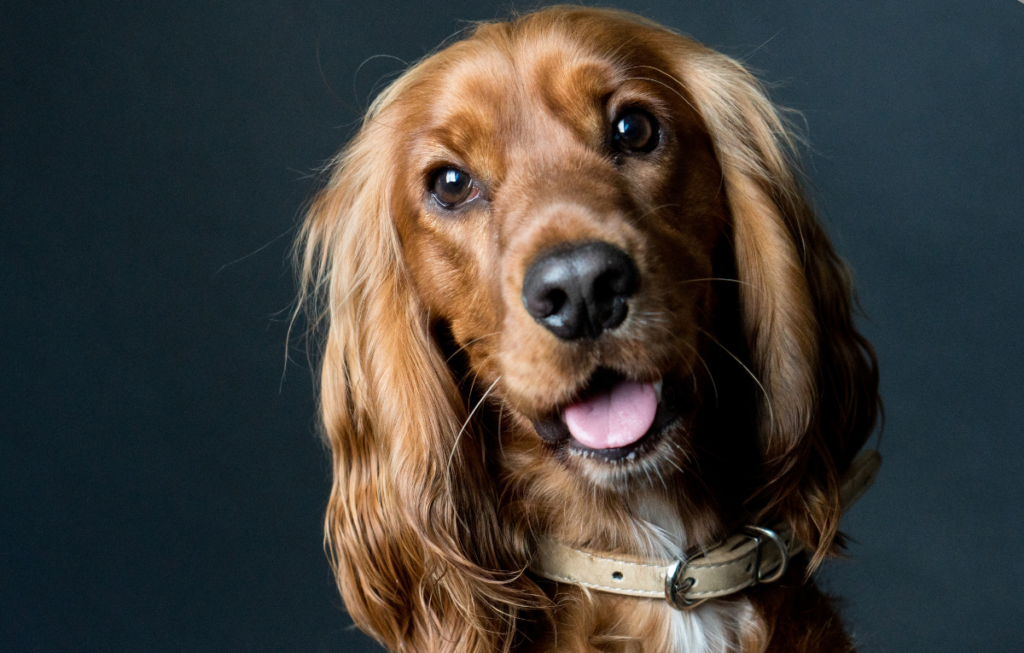
Maybe it feels impossible to teach your dog to relax inside your house. Your dog zooms through your living room. They bark wildly every time the doorbell rings. They pace all over the house, unable to settle down. It can be hard to know how to teach calm behavior indoors (dogs), but there’s no denying that calm dogs are much easier to live with.
Not only are relaxed dogs more pleasant companions—they’re also happier, more confident, and more resilient when faced with life’s ups and downs.
Luckily, being calm isn’t necessarily part of your dog’s innate personality. Just like any other behavior, you can teach your dog to relax indoors using positive reinforcement training.

Why Dogs Need to Learn How to Relax Indoors
Indoor environments aren’t instinctively calming for dogs.
Outside, dogs need to stay alert. Cars zoom past. People stroll by. Birds fly overhead. Dogs live for outdoor adventures—they don’t naturally spend hours lying down quietly.
So what’s a dog owner to do? How do you get them to stop jumping on the couch in excitement?
Well-trained dogs aren’t just quieter—they also learn how to relax in many different situations. That emotional balance goes a long way toward building a happy life with your dog.
Common Behaviors From Dogs That Don’t Relax Indoors
If your dog is bouncing off the walls inside your home, they may engage in one or more of these behaviors:
-
Jumping up on guests
-
Barking at windows, people, or animals
-
Destroying furniture with their teeth
-
Constant pacing around the house
-
Trouble settling at bedtime
Some dogs thrive on chaos. Others behave this way because of their environment. Let’s figure out why your dog is so wiggly indoors.
Why Dogs Get Hyper Indoors
Now that we’ve covered why teaching your dog to relax indoors is important, let’s look at how to determine why your dog gets hyper inside.
Every dog is different, but these are common causes of hyperactivity.
Your Dog Has Excess Energy
Think about your dog’s lifestyle outside your home. Do they have a job? Do they get to run around during the day?
Some breeds were developed to perform hard physical tasks. Herding and sporting dogs typically have high energy levels that need to be burned off.
Your Dog Is Bored
Does your dog have toys? Do you play mentally stimulating games like hide-and-seek or training exercises?
Just like us, dogs need mental stimulation. When they don’t receive it from you, they’ll find their own entertainment—which might include bouncing around your house.
Your Dog Is Receiving Mixed Signals
This can be difficult to recognize, but many dog owners accidentally reward wild behavior indoors.
Maybe your dog jumps on you when you get home. You yell and tell them to stop—but they love getting your attention. Even negative attention can reinforce the behavior.
Your Dog Is Anxious
Does your dog react fearfully to loud noises? Do they get spooked when company comes over?
Dogs who are scared or stressed often don’t know how to properly calm themselves. They might bounce around due to nervous energy or display sloppy, overexcited behaviors.
Meet Your Dog’s Needs First
It all starts outside your house.
First, let’s talk about exercise.
How Much Exercise Does My Dog Need?
This depends on both your dog’s age and breed. You should always consult your veterinarian to learn about your dog’s specific exercise needs.
In general:
-
Puppies often need frequent but shorter bursts of activity.
-
Adult dogs typically need at least one long walk per day.
-
Older dogs or dogs with health conditions may require gentler movement.
Don’t turn your dog into a marathon runner overnight. You don’t want your dog to only know how to play intensely.
Include both high-energy exercises like fetch or tug-of-war, as well as calmer activities like training sessions or nose work.
Does My Dog Need Mental Stimulation?
Yes. Absolutely. All dogs do.
There are many ways to enrich your dog’s environment, both indoors and outdoors.
You can purchase food-dispensing toys or create your own puzzle games. Practice commands outside of your dog’s normal routine. Add variety to keep their brain engaged.
Outdoor dogs need toys too. Make sure your dog has access to squeaky toys, tennis balls, or treat balls when they’re outside having fun.
Practice How to Teach Calm Behavior Indoors (Dogs)
Great—your dog has exercised. What’s next?
Set the Environment
You’d be surprised how much your dog’s environment impacts their ability to calm down.
Try designating a specific space for them to relax. Eventually, you can train your dog to stay in this area when asked.
Choose a comfortable dog bed or blanket and place it in a low-traffic area.
Reward them anytime they choose to hang out in their spot. Pretty soon, they’ll understand this is where calm time happens.
Remove Triggers If Possible
Does your dog bark at every person who walks by your house? Consider installing curtains or limiting their access to windows.
It’s impossible to remove all triggers from your dog’s life, but you can prevent unnecessary adrenaline spikes.
Teach Your Dog the “Settle” Command
“Settle” is one of the most helpful cues for reminding your dog to relax.
Step 1: Wait for your dog to lie down on their own.
Once they do, say “Yes” (or use a clicker), followed by a treat.
Repeat this daily until your dog starts lying down more frequently on their own.
Step 2: Add a verbal cue.
Once your dog consistently lies down to relax, begin introducing a cue such as “Settle” or “Relax.”
As your dog begins to lie down, say your chosen cue. Follow with a reward.
Step 3: Increase duration.
Gradually increase the time between when your dog lies down and when they receive the treat.
Wait a few seconds before rewarding them for calmly staying in place.
Practice Mat Training
Mat training is another excellent method for helping your dog calm down indoors.
Start by placing a mat on the floor.
-
Reward your dog for touching the mat.
-
Next, reward them for sitting or lying down on it.
-
Over time, only reward your dog when they’re calmly relaxing on the mat.
You can move the mat to different areas of your home or use it when guests arrive.
Reward Calm Behavior
This cannot be emphasized enough.
Dogs repeat behaviors that earn attention. If your dog jumps on you when you greet them, they assume it’s acceptable.
Instead, praise your dog when all four paws are on the ground. Wait for calm behavior before opening doors.
Don’t yell at your dog to stop barking. Wait until they quiet down, then mark the behavior with a “Yes” and reward them.
Practice Impulse Control
Build your dog’s tolerance for delayed rewards.
Practice the “wait” command at doorways. Have your dog sit before opening the door, and reward them for waiting patiently.
You can also teach food bowl manners. Ask your dog to sit and wait before placing the bowl down. After a few seconds, say “Okay” and allow them to eat.
Try Not to Overexcite Your Dog Indoors
When was the last time you played catch inside your house?
If you allow wild play indoors, end the game while your dog is still interested. Follow the excitement with a settle command.
For example:
-
Throw a toy.
-
Let your dog bring it halfway back.
-
Pick up the toy and ask them to settle.
You can resume play once they’ve calmed down. The goal is to avoid reinforcing excessive indoor excitement.
Teach a Relaxation Protocol
Relaxation protocols are especially helpful for anxious or easily overstimulated dogs.
Start in a quiet space. Reward your dog for remaining calm in one place.
Over multiple sessions, gradually increase the amount of time they must wait before earning a treat. Then slowly introduce mild distractions.
Watch closely for signs of stress. If your dog appears overwhelmed, reduce the distraction and slow your pace.
Use Calming Signals Yourself
Have you ever noticed how calm you feel around relaxed dogs?
Dogs mirror your energy. If you move quickly and speak loudly, your dog may match that intensity.
Instead:
-
Slow your breathing and movements.
-
Speak softly.
-
Keep your body language relaxed.
The calmer you are, the calmer your dog will be.
Rule Out Anxiety
Some dogs struggle to settle because of anxiety.
Signs may include:
-
Constant pacing
-
Excessive panting
-
Attempting to escape when left alone
-
Overreacting to noises or new people
If you suspect anxiety, consider working with a positive reinforcement trainer or consulting your veterinarian.
Be Consistent With Your Rules
Dogs learn faster with predictable routines.
Try to keep feeding times, walks, and bedtime consistent.
When your dog knows what to expect, they’ll feel more comfortable relaxing.
Teach Calm Greetings
Guests can be very exciting for dogs. Plan ahead.
-
Exercise your dog before guests arrive.
-
Keep your dog on a leash initially.
-
Ask for a sit before greeting.
-
Reward calm behavior generously.
If your dog becomes too excited, remove them briefly. Once calm, allow them to try again.
Be Patient
Every dog learns at their own pace.
Avoid scolding your dog for struggling to relax indoors. The more you punish them for being wiggly, the more stressed they may become.
Focus on rewarding good behavior and meeting their physical and mental needs.
Your dog isn’t being stubborn—they’re simply doing the best they can with what they know.
Conclusion
With practice and patience, you can teach any dog how to relax indoors. Creating a calm environment starts with reinforcing calm behavior consistently.
It’s also important to differentiate between dogs who struggle with relaxation and dogs who simply need more exercise and mental stimulation.
Like any other behavior, never punish your dog for being unable to calm down. Not only will it fail to teach relaxation—it may make the problem worse.
Save pin for later

- How to prevent scratching issues - March 3, 2026
- Why cats ignore toys - March 3, 2026
- How to teach calm behavior indoors - March 3, 2026