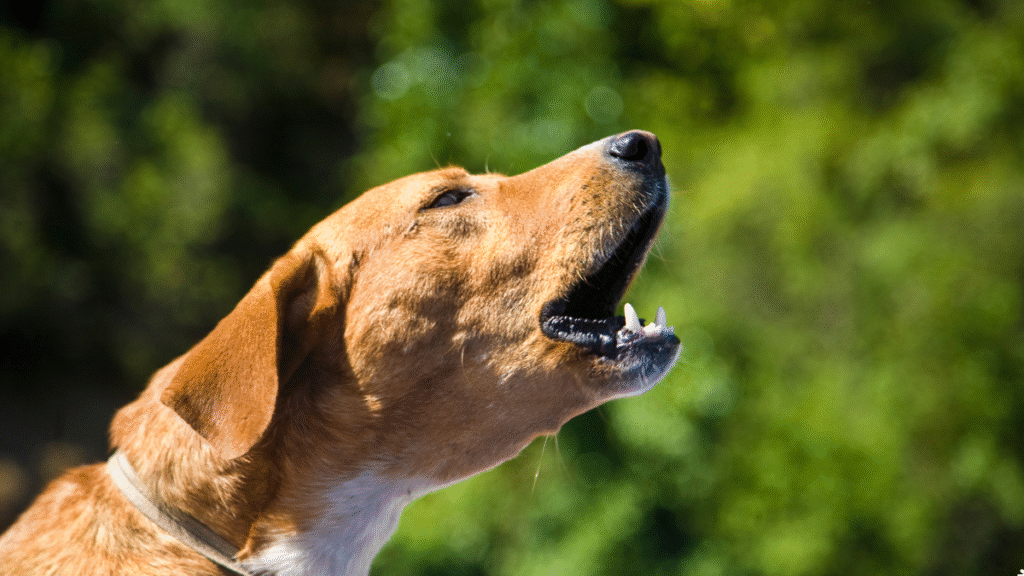
Walking your dog is supposed to be one of the most relaxing and enjoyable parts of your day. But when your dog suddenly starts barking, lunging, and pulling every time you pass another dog, your walk quickly becomes a stressful ordeal. Dog owners all over the world struggle with the same problem: how to stop their dogs from barking at other dogs on walks.
Fortunately, this is a very common issue, and almost all dogs can be taught to stop barking when they see other dogs. This training takes time and patience, but with consistency, positive reinforcement, and the right methods, you can teach your dog to remain calm during walks.
Why Does My Dog Bark at Other Dogs on Walks?
Before you can stop your dog’s barking, you first need to figure out why it’s happening. Barking isn’t always a sign of aggression—it can occur for many different reasons. Some of the most common include:
-
Excitement – Some dogs are simply eager to greet every dog they see.
-
Fear or Anxiety – Dogs that lack confidence around other dogs may bark as a way of saying, “Back off, I’m scared.”
-
Territorial Behavior – Your dog may bark to protect you or to defend their space.
-
Frustration – Dogs that want to greet other dogs but are held back by a leash may become frustrated and bark out of leash reactivity.
-
Lack of Socialization – If your dog hasn’t had many positive experiences with other dogs, they may not know how to behave calmly.
Identifying your dog’s specific trigger is the first step in choosing the right training approach.
What to Avoid When Your Dog Barks at Other Dogs
It’s natural to feel frustrated when your dog barks repeatedly at other dogs during walks. However, how you respond can either improve or worsen the situation. Here are a few important things to avoid:
-
Don’t yell at your dog or tug the leash. Adding more stress and tension won’t help your dog relax.
-
Don’t punish your dog for barking. Punishment doesn’t teach your dog what to do instead—it only increases fear and anxiety.
-
Don’t force your dog to approach other dogs “to get used to it.” This can overwhelm your dog and make the problem worse.
-
Don’t allow your dog to pull or lunge. Pulling reinforces excitement or reactivity.
When your dog starts barking, the best response is to remain calm. Keep the leash loose, take a few deep breaths, and move away if necessary.
Step-by-Step Training: How to Stop Your Dog from Barking at Other Dogs
Stopping your dog’s barking during walks requires structure, patience, and consistency. Here’s a proven, step-by-step approach.
Step 1: Start at a Distance
The most important training principle is distance. Find the point at which your dog notices another dog but doesn’t bark yet. This is your dog’s threshold—the distance where they are aware but still calm enough to learn.
-
Begin in low-distraction areas.
-
When you see another dog, stay far enough away for your dog to remain calm.
-
If your dog starts barking, you’re too close—add more distance next time.
Establishing a calm distance is essential before moving on to more challenging scenarios.
Step 2: Use High-Value Treats
Bring plenty of small, tasty treats your dog loves but doesn’t get every day. Each time your dog notices another dog and remains quiet, reward them immediately.
This technique, called counterconditioning, changes your dog’s emotional response. Instead of reacting with fear or excitement, your dog begins to associate seeing other dogs with positive experiences.
-
Mark the exact moment your dog looks at another dog calmly by saying “Yes!” or clicking (if you’re using a clicker).
-
Immediately give a treat.
-
If your dog starts barking, calmly walk away until they settle, then try again.
Repeat this consistently until your dog looks at other dogs calmly without barking.
Step 3: Teach the “Watch Me” Command
Training your dog to focus on you instead of distractions can be a game-changer. The “Watch Me” or “Look at Me” command redirects your dog’s attention back to you.
How to teach it:
-
Hold a treat near your eyes and say, “Watch me.”
-
When your dog looks at you, mark the behavior with “Yes!” and give the treat.
-
Practice indoors before trying it outside.
-
Once your dog masters the command, use it when another dog appears—at a distance.
The goal is to make focusing on you more rewarding than barking at other dogs.

Step 4: Practice Desensitization
Once your dog can remain calm at a distance, gradually reduce that distance. Progress at your dog’s pace—don’t rush.
-
Start, for example, at 50 feet away and reward calm behavior.
-
Over several sessions, move to 40 feet, then 30 feet, and so on.
-
End each session before your dog gets overwhelmed.
This slow exposure, known as desensitization, teaches your dog that being near other dogs doesn’t have to cause anxiety or excitement.
Step 5: Practice Calm Body Language
Dogs are experts at reading body language. If you become tense when another dog appears, your dog will sense it and mirror your anxiety.
-
Keep your leash loose and shoulders relaxed.
-
Walk at a steady pace.
-
Take deep breaths to stay calm.
-
Avoid direct, head-on approaches—walk in a slight arc instead.
Your calm energy reassures your dog that there’s nothing to fear.
Related:5 Steps In Teaching Your Dog The Quiet Command
Step 6: Controlled Socialization
If your dog barks due to lack of social experience, controlled socialization can help.
-
Arrange walks with calm, well-behaved dogs.
-
Keep both dogs leashed and start at a distance.
-
Walk parallel to each other rather than face-to-face.
-
Gradually reduce the distance as both dogs stay relaxed.
Controlled socialization helps your dog learn that being near other dogs doesn’t always mean confrontation or excitement.

Helpful Training Tools
Used properly, the right tools can make training safer and more effective:
-
Front-clip harness: Reduces pulling and gives you more control without causing harm.
-
Treat pouch: Keeps treats accessible for quick rewards.
-
Clicker: Helps mark desired behavior precisely.
Avoid harsh tools like choke chains, prong collars, or shock collars, as they can increase fear and aggression.
Exercise and Mental Stimulation
A dog that’s bored or under-exercised is more likely to bark and react. Ensure your dog gets enough physical exercise and mental stimulation daily.
-
Take longer walks or play fetch before training sessions.
-
Use puzzle feeders, snuffle mats, and enrichment games.
-
Practice obedience commands such as “sit,” “stay,” and “heel” during walks.
A tired, mentally stimulated dog is a calmer, more focused dog.

Consistency Is the Key to Success
If multiple people handle your dog, make sure everyone follows the same approach. Consistency is critical.
-
Reward calm behavior.
-
Maintain proper distance from triggers.
-
Never punish barking.
Keep sessions short—about 5–10 minutes—but practice often. With time, your dog’s reactivity will lessen. Some dogs improve within weeks, while others take months. Focus on progress, not perfection.
When to Seek Professional Help
If your dog’s barking is severe, aggressive, or overwhelming, seek help from a certified professional dog trainer or canine behaviorist. A professional can identify triggers, design a personalized training plan, and guide you through desensitization safely.
Always choose trainers who use positive reinforcement methods rather than punishment-based techniques.
The Benefits of Calm Walks
Once your dog learns to walk calmly around other dogs, your daily walks will transform. You’ll enjoy peaceful strolls without stress, and your dog will feel more confident and secure. Best of all, your bond will strengthen as you build trust through patient, positive training.
Final Thoughts
Teaching your dog not to bark at other dogs on walks requires understanding, patience, and consistency. Identify what triggers your dog, reward calm behavior, and use gradual exposure to build positive associations. Over time, your dog will learn that other dogs are nothing to fear or bark at.
With dedication and consistency, you’ll soon have a dog that walks calmly beside you—no barking, lunging, or stress. Your daily walks will once again be something both you and your dog look forward to, strengthening the bond you share.

- The Cutest Cat Breeds in the World - March 21, 2026
- Black Cat Names That Are as Mysterious and Beautiful as They Are - March 21, 2026
- Did You Know Your Dog Could Have Diabetes? - March 20, 2026