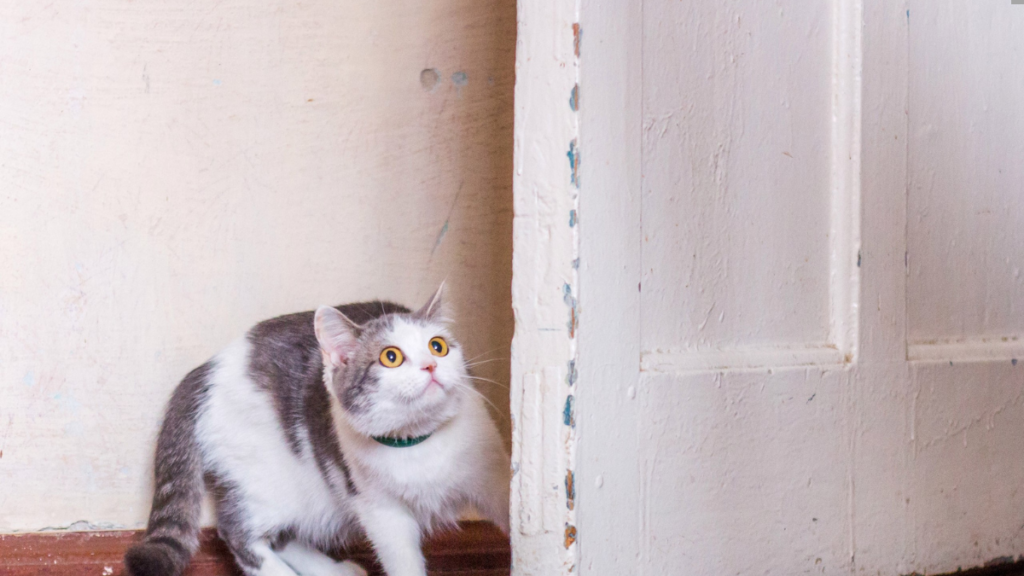
Does your cat sometimes keep you awake at night by running in circles, leaping off walls, or tumbling around like a tiny tornado? If you’ve experienced this frustrating cat behavior, you are in the right place. In this post, I’ll explain why cats get these night zoomies, how to stop them, and share tips and tricks that can make a real difference.
Wild cats are typically most active at dawn and dusk, when their prey is most active. Even though domestic cats have lived alongside humans for generations, their internal clocks haven’t changed. This means some cats naturally have more energy at night. This restless behavior is normal and is usually a result of the energy they need to release.
Why Do Cats Get Night Zoomies?
Cats experience bursts of nighttime energy for several reasons. Lack of exercise or mental stimulation during the day, hunting instincts, and age are some of the main contributors. Cats are crepuscular animals, meaning they are naturally most active at dawn and dusk. Their ancestors considered these hours ideal for hunting because there was minimal danger and plenty of prey.
Even though your cat is no longer wild, their biological clock still drives them to be active during these hours. Some cats release this energy at night through random zoomies, playful antics, and hunting-like behavior.
Indoor cats that sleep much of the day are especially prone to night zoomies because they haven’t expended enough physical and mental energy. Without sufficient stimulation, they are likely to stay restless once the lights go out.
How Night Zoomies Affect Your Cat and Your Household
A burst of cat energy is generally harmless. However, if cats don’t release enough energy during the day, nighttime activity can become a persistent problem. Over time, excessive night zoomies can affect your sleep, your home, and even your relationship with your cat.
While a few laps around the room won’t hurt anyone, a full-on “fur tornado” can cause damage to your belongings, injuries from falls, or other accidents.
One effective way to stop night zoomies is to increase your cat’s daytime activity. Regular playtime tires them out, reducing their nighttime energy. Additionally, establishing a nightly routine helps them burn off energy before bed, making it less likely they’ll zoom around the house at inconvenient hours.
Effective Ways to Stop Night Zoomies
The first step in stopping night zoomies is understanding why your cat has them. Identifying the root cause—whether it’s insufficient exercise, lack of stimulation, or irregular routines—will help you address the problem effectively.
For example, if your cat isn’t getting enough play during the day, they’ll release that pent-up energy at night. Interactive toys, especially those that mimic prey, can help satisfy their hunting instincts. Often, a combination of strategies works best.
Increase Daytime Physical Activity
Boosting your cat’s physical activity during the day is key. Use toys that encourage chasing, pouncing, or jumping. Remember, mental stimulation is just as important as physical exercise, as it helps your cat expend energy in a healthy way.
Consider implementing at least two play sessions per day, with one session ideally in the evening to tire your cat before bedtime. A structured nightly play ritual also signals that it’s time to wind down, further reducing nighttime hyperactivity.
Provide a Predictable Feeding Schedule
Cats tend to be more active when they are hungry. Feeding smaller meals throughout the day, rather than one large meal, keeps your cat satisfied without overfeeding.
Interactive or puzzle feeders are excellent tools to combine mental stimulation with mealtime. Automatic feeders can also help maintain a consistent schedule, reducing nighttime hunting behavior by ensuring your cat is content and mentally engaged.
Create a Stimulating Environment
A stimulating home environment can redirect your cat’s energy from night zoomies to safe, appropriate outlets.
-
Cat Trees and Shelves: Encourage climbing, jumping, and exploration.
-
Scratching Posts: Satisfy natural scratching instincts.
-
Interactive Toys: Provide additional outlets for play during the day.
The key is to make your cat’s home as engaging and active as possible, so they use their energy constructively during the day rather than at night.
Establish a Consistent Sleep Routine
A predictable sleep routine helps your cat regulate their energy.
-
Daily Playtime Before Bed: Tire your cat out with a short play session in the evening.
-
Bedtime Ritual: Consistent cues, like gentle petting or a calm activity, signal it’s time to sleep.
-
Separate Sleeping Space: Offering a dedicated, cozy area encourages independent sleep.
Consistency is crucial. Over time, your cat will learn when to be active and when to rest, reducing nighttime hyperactivity.
Manage Stress and Anxiety
Stress can trigger night zoomies. Changes in your home, new furniture, or environmental noise may make your cat restless.
-
Safe Spaces: Provide hiding spots where your cat feels secure.
-
Pheromone Products: Diffusers or sprays can promote calm behavior.
-
Gradual Introductions: Introduce changes slowly to minimize anxiety.
Understanding the root cause of stress allows you to address it effectively, reducing nighttime hyperactivity.
Avoid Reinforcing Nighttime Activity
It’s important not to encourage night zoomies by giving attention or treats during these episodes. Engaging with your cat at night reinforces the behavior.
-
Ignore Nighttime Zoomies: Over time, your cat will learn that nighttime antics do not yield attention.
-
Redirect Play to Daytime: Offer interactive play sessions during the day instead of at night.
Shifting your cat’s active periods to daytime will reduce disruptive nighttime behavior.
Conclusion
Night zoomies are a normal and healthy part of a cat’s behavior. The goal isn’t to eliminate them entirely, but to manage them so they don’t become excessive or disruptive.By combining these approaches and maintaining consistency, your cat will learn to expend their energy during appropriate times. With patience and routine, night zoomies can be reduced, giving you calmer nights and a happier, well-exercised cat.
Remember, a little energy at night is natural, but with the right strategies, both you and your feline companion can enjoy peaceful, restful nights.
Save pin for later

- The Cutest Cat Breeds in the World - March 21, 2026
- Black Cat Names That Are as Mysterious and Beautiful as They Are - March 21, 2026
- Did You Know Your Dog Could Have Diabetes? - March 20, 2026