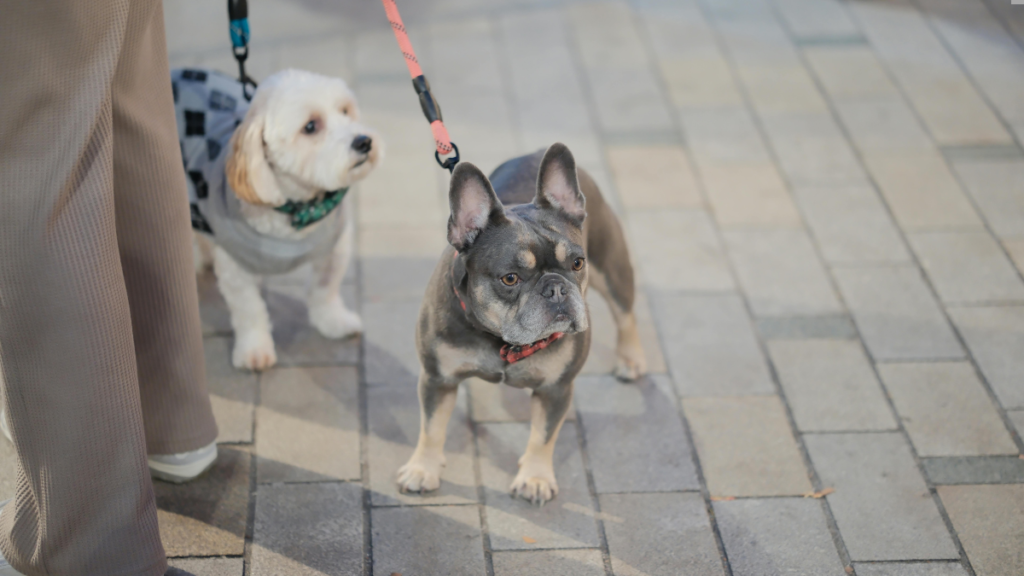
Walking your dog should be one of the most relaxing and enjoyable parts of the day for both you and your pup. But for many owners, walks turn into a struggle, with the dog practically dragging them around the block.
If you’ve ever felt like your dog is in control of the walk while you’re just along for the ride, you’re not alone. How to stop leash pulling is one of the most common questions dog owners have, regardless of breed, age, or size.
The good news is that leash pulling is a learned behavior—and like any behavior, it can be unlearned. With the right training approach, tools, patience, and consistency, you can teach your dog to walk nicely beside you instead of dragging you along.
The 4 Reasons Dogs Pull on the Leash
Why Does My Dog Pull on the Leash?
Why do dogs pull in the first place? Contrary to popular belief, dogs usually aren’t pulling out of stubbornness or a desire to dominate.
Here are the four most common reasons dogs pull on the leash:
1. Dogs Are Naturally Faster Than Humans
Dogs move at a faster pace than humans. When they walk with us, they must slow down, which can be frustrating. Pulling gets them to where they want to go more quickly.
2. Dogs Are Bombarded by Exciting Stimuli
Dogs experience the world primarily through their senses. On a walk, they’re inundated with exciting things they want to explore: other dogs, people, squirrels, cars, and scents humans can’t even detect. Pulling helps them reach these points of interest faster.
3. Pulling Has Been Rewarded
If pulling results in your dog moving forward, sniffing something interesting, greeting another dog, or reaching their goal, the behavior is being reinforced. Over time, your dog learns that pulling works.
4. Your Dog Lacks Leash Training
Walking politely on a leash is a skill—it is not instinctive for most dogs. Loose-leash walking must be taught and reinforced through consistent training.
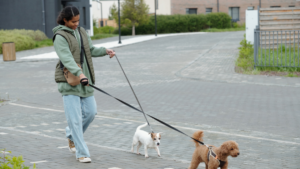
Leash Pulling Is a Real Problem
Leash pulling is more than an annoyance; it can create significant issues for both dogs and their owners:
-
Physical strain on the owner: Constantly holding a dog in tension can cause shoulder, neck, or back pain.
-
Physical strain on the dog: Pulling can lead to sore or injured throat and neck muscles.
-
Loss of control: A dog on a tight leash is harder to manage in emergencies, in crowded areas, or when the dog becomes reactive.
-
Unpleasant walks: Walks become stressful instead of enjoyable bonding time.
-
Safety concerns: Sudden lunges and jerks can result in trips, falls, dropped leashes, or traffic accidents.
Helping your dog learn proper leash manners addresses these issues, creating safety, a stronger bond, and enjoyable walks for both of you.
Equipment That Can Help with Leash Pulling
While training is the most important part of addressing leash pulling, certain equipment can make the process easier:
-
Flat collar: Suitable for dogs who already walk politely, but may increase pulling in dogs still in training.
-
Front-clip harness: Gently redirects your dog toward you when they pull without causing pain—highly effective for training.
-
Head halter: Provides control over your dog’s head direction. Some dogs need time to adjust to wearing it, but it can be very effective.
-
Avoid retractable leashes: They maintain constant tension and encourage pulling. A 4–6 foot standard leash is best for training.
Skills to Build Before You Start
Before heading out on long walks, you can build foundational skills at home or in your yard to make leash training easier:
-
Teach your dog attention: Practice rewarding eye contact when you call your dog’s name.
-
Practice calm behavior: Reward calm behavior at home so your dog learns that good behavior earns rewards.
-
Practice leash training indoors: Begin in low-distraction environments. Polite indoor walking helps build confidence.
Step-by-Step Guide to Training Loose-Leash Walking
1. Stop and Wait When Your Dog Pulls
When your dog pulls, stop walking immediately. Don’t jerk the leash or scold your dog—just stand still. Reward your dog once the leash is loose, then resume walking. This teaches that pulling doesn’t get them anywhere, but a loose leash does.
2. Change Directions
If your dog doesn’t stop pulling, calmly turn and walk in the opposite direction. Encourage your dog to follow with a cheerful voice and reward them when they walk beside you. This reinforces attention to your movement rather than charging ahead.
3. Reward the Right Position
Decide where your dog should walk—usually beside or slightly behind you. Reward often with treats, praise, or a favorite toy. At first, reward every few steps; as your dog improves, gradually space out the rewards.
4. Use High-Value Rewards
In distracting environments, normal kibble may not suffice. Use small pieces of chicken, cheese, or other high-value treats to keep your dog motivated during training.
How to Manage Distractions on Walks
Distractions make leash training challenging. The key is to set your dog up for success:
-
Start in low-distraction areas: Train in quiet neighborhoods or empty parks before gradually increasing distractions.
-
Create distance from distractions: If your dog gets excited, increase the distance. Cross the street, step off the path, or use visual barriers.
-
Practice focus games: Teach cues like “watch me” or “look” and reward eye contact. Use these cues when your dog is about to pull.
4 Common Mistakes That Worsen Leash Pulling
Avoid these mistakes to make leash training more effective:
-
Inconsistency: Mixed signals slow progress. Always correct pulling consistently.
-
Using punishment: Yanking, yelling, or using choke/prong collars creates anxiety and confusion without lasting results.
-
Expecting immediate results: Loose-leash walking takes time, especially in stimulating environments.
-
Long, unstructured walks: Short, focused training walks are more effective than long, aimless ones.
Special Considerations for Puppies
Puppies are learning about the world, and leash pulling is common.
-
Keep training sessions short and fun.
-
Use plenty of treats and praise.
-
Be patient—puppies have short attention spans.
Starting early sets your puppy up for polite leash manners as an adult.
Training High-Energy and Adult Dogs
Adult dogs and high-energy breeds can learn loose-leash walking, though it may take more time and structure.
-
Provide mental and physical stimulation: Boredom and excess energy contribute to pulling. Use puzzle toys, fetch, tug, or training games.
-
Break walks into training sessions: Multiple short, focused walks are more effective than one long session.
When to Get Professional Help
If leash pulling is severe or accompanied by reactivity, fear, or aggression, working with a professional trainer can be invaluable. Look for trainers who:
-
Use positive reinforcement
-
Have experience with leash manners and behavior modification
-
Are certified or well-reviewed
A professional perspective can accelerate progress and help with tricky cases.
Celebrate Walks Again
As your dog improves, walks become calmer, safer, and more enjoyable. Remember, training your dog to stop leash pulling isn’t about domination—it’s about communication and teamwork.
Celebrate small victories:
-
A few steps without pulling
-
Better focus around distractions
-
Quicker recall after mistakes
Progress may not always be linear, but consistency in training and rewards pays off.
Conclusion
We hope this guide has given you the tools, strategies, and encouragement to start leash training your dog. Leash pulling is a common problem, but it is also one of the most rewarding to fix. With patience, positive training methods, and the right tools, any dog can learn to walk nicely on a leash. Focus on building a strong connection, rewarding good behavior, and managing your dog’s environment to help them succeed.
Save pin for later

- The Cutest Cat Breeds in the World - March 21, 2026
- Black Cat Names That Are as Mysterious and Beautiful as They Are - March 21, 2026
- Did You Know Your Dog Could Have Diabetes? - March 20, 2026