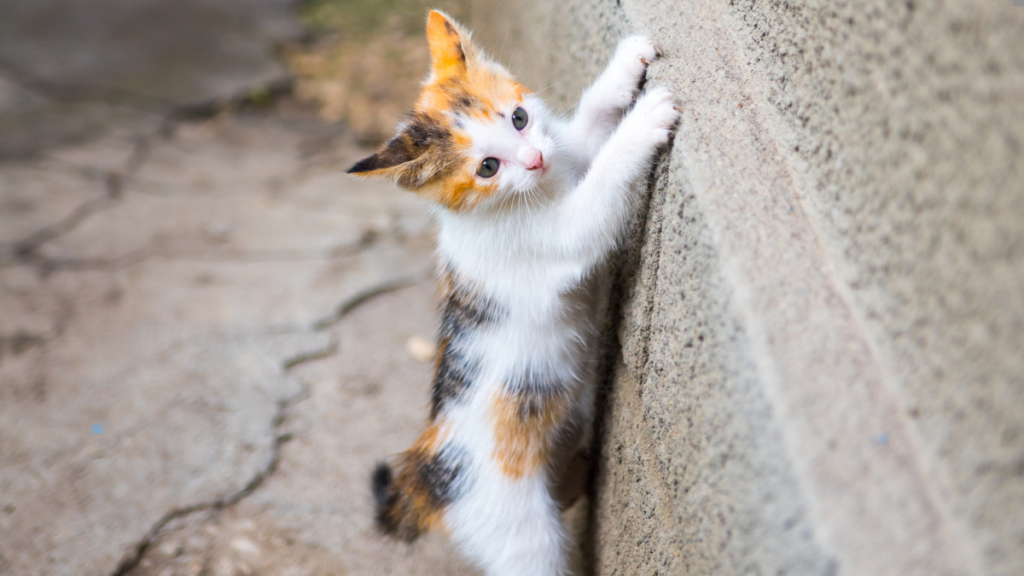
If you have a cat, there’s one universal truth you’ve probably already learned: cats love to climb. Whether it’s countertops, shelves, curtains, bookcases, wardrobes, or the refrigerator, your kitty seems to believe everything exists for their vertical enjoyment. If you searched Google for How to Stop Cats From Climbing Where They Shouldn’t, we feel you. And before you jump straight to yelling or punishments, know this—you are not trying to train a “bad” cat. You’re simply parenting a perfectly normal cat with a big problem… your stuff.
The good news? You can redirect your cat’s climbing habits without screaming, punishing, or living in constant frustration. The solution starts with understanding why cats climb, what makes certain areas so appealing, and how to provide better alternatives.

Why Cats Climb (and Jump!) in the First Place
Before diving into training tips, it’s important to understand why cats behave this way at all. Cats climb to seek height for safety—an instinct deeply rooted in their survival wiring. Even domesticated indoor cats retain this behavior.
Tall vantage points allow cats to feel secure, monitor their environment, and escape perceived threats.
Here are the most common reasons cats climb:
-
Safety – Height equals security.
-
Observation – Cats love watching their surroundings from above.
-
Marking Territory – Elevated areas help cats claim space.
-
Entertainment – Climbing relieves boredom.
-
Curiosity – Cats explore vertically just as much as horizontally.
-
Prey Hunting Instincts – Height gives a “hunt-ready” vantage point.
-
Expanding Vertical Territory – Cats don’t see space the way humans do.
-
Warmth and Comfort – High surfaces are often warmer.
Cat Psychology Factors
-
Stress relief
-
Attention-seeking behavior
-
Unmet physical or mental needs
The main takeaway: climbing is innate. Cats aren’t doing this to be “bad” or spiteful—they’re following instinct.
Tip: Don’t Punish Cats for Climbing
Many well-meaning cat parents unintentionally make the problem worse by yelling, spraying water, or grabbing their cat when they jump on counters or appliances. While this may stop the behavior temporarily, it often backfires.
Punishment can:
-
Increase stress and anxiety
-
Damage trust
-
Teach cats to climb secretly when you’re not around
Cats don’t associate punishment with rules. They associate it with fear. If your cat climbs when you leave the room, this is why.

Tips to Stop Cats From Climbing Where They Shouldn’t
Identify Where They Shouldn’t Go
The first step is defining clear boundaries. Decide which areas are truly off-limits and stick to them.
Common problem areas include:
-
Countertops
-
Tables
-
Stovetops
-
Shelves
Avoid being inconsistent. If a surface is “okay sometimes,” your cat will continue testing it.
Give Them Places to Go Instead
Stopping unwanted climbing doesn’t mean eliminating climbing altogether.
Cat Trees
If your cat jumps on the counter to watch you cook, place a cat tree nearby so they can still see what’s happening.
Wall-Mounted Shelves
Great for vertical exploration and ideal for apartments with limited floor space.
Window Perches
These offer views, warmth, and elevation—without breaking the rules.
Important: these alternatives must be just as rewarding (or better) than the forbidden areas.
Make “No-Go” Areas Unappealing
Cats avoid uncomfortable or unrewarding surfaces.
Remove the Rewards
Clean counters thoroughly and don’t leave food, crumbs, or dishes out.
Change the Texture
Aluminum foil, double-sided tape, or textured shelf liners can deter jumping. Phase them out once behavior improves.
Block Access Points
Rearrange furniture to remove jumping launchpads whenever possible.

Reward Good Behavior
Cats repeat behaviors that pay off.
Whenever your cat uses:
-
Their cat tree
-
Shelves
-
Window perch
Reward them immediately with treats, praise, or affection. Timing matters—reward right away.
Turn Your Back on Bad Behavior
This doesn’t mean ignoring your cat—but dramatic reactions can reinforce the behavior. Yelling, swatting, or reacting emotionally gives attention, which many cats find rewarding.
Stay calm and redirect instead.
Focus on Enrichment
Bored cats climb more.
Increase Interactive Play
Engage your cat at least twice daily using wand toys, feather toys, or laser pointers. Try to schedule playtime before peak energy hours (usually evenings).
Food Puzzles
Mental stimulation matters just as much as physical exercise.
Rotate Toys
Rotating toys keeps them novel and exciting without buying more.
Rule Out Stress
Cats may climb more when anxious. Ask yourself:
-
Have there been recent changes?
-
New pets or people?
-
Limited safe spaces?
Ensure your cat has quiet, elevated, stress-free areas to retreat when needed.
Stop Cats From Climbing Heights Using These Steps: Consistency & Patience
Learning how to stop cats from climbing where they shouldn’t takes time. There is no one-size-fits-all solution. Be patient, consistent, and willing to adjust strategies. Focus on rewarding good behavior and providing acceptable alternatives.

Common Mistakes That Keep the Behavior Going
-
Scaring your cat off surfaces
-
Removing them without offering an alternative
-
Allowing “just this once” exceptions
-
Inconsistent rules between household members
-
Doing nothing at all
-
Expecting your cat to “understand” human logic
-
Preventing climbing without fulfilling the need
Vertical vs. Horizontal Climbers: Kittens vs. Adult Cats
Kittens climb more because they’re developing coordination and exploring boundaries. Increase playtime, provide more climbing outlets, and kitten-proof instead of constantly correcting.
Adult cats may climb due to boredom, habit, or environmental changes. Fun fact: cats moving from small apartments to larger homes often climb more—they’re exploring.
When to Seek Professional Help
Ask yourself if:
-
Climbing is paired with aggression
-
Your cat becomes destructive
-
There’s been a recent stressful change
If so, consult:
-
Your veterinarian (to rule out medical issues)
-
A certified cat behaviorist
Some climbing issues need more than training alone.
Conclusion
Stopping unwanted climbing isn’t about control—it’s about understanding. When you focus on why your cat climbs and meet those needs through enrichment, vertical outlets, and positive reinforcement, the behavior naturally improves.
Your cat isn’t trying to dominate your counters. They’re trying to feel safe, stimulated, and fulfilled. Give them better options, stay consistent, and lead with patience. With the right setup, your cat can enjoy climbing—without destroying your home.
Save pin for later


- The Cutest Cat Breeds in the World - March 21, 2026
- Black Cat Names That Are as Mysterious and Beautiful as They Are - March 21, 2026
- Did You Know Your Dog Could Have Diabetes? - March 20, 2026