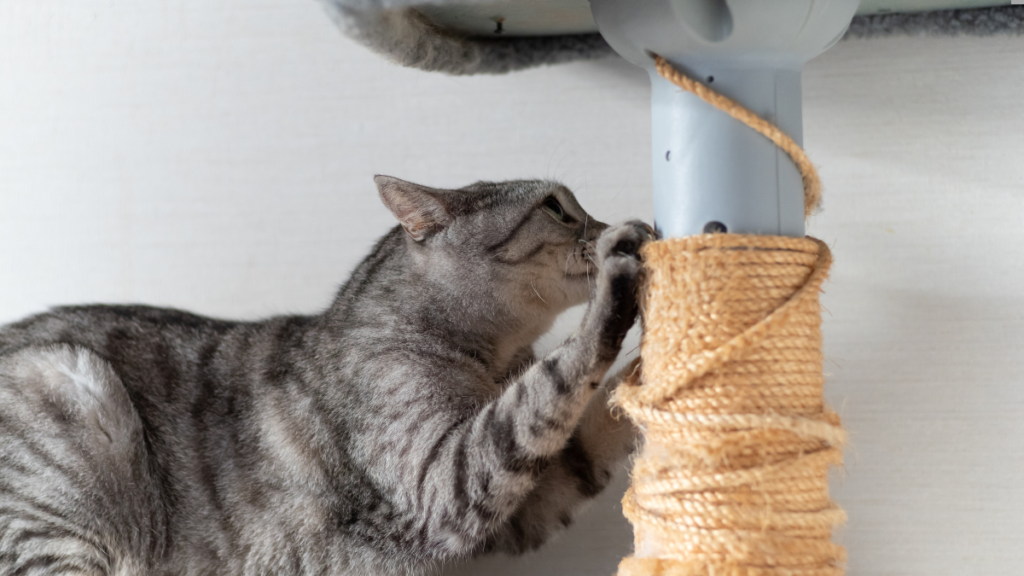
If you are a cat owner, you have likely Googled “How to Stop Cat Scratching” at least once after finding a new set of claw marks on your couch, curtains, or favorite chair. Scratching is one of the most common—and misunderstood—cat behaviors.
While it is frustrating to see your belongings damaged, it is important to understand that scratching is not naughty behavior or defiance. Scratching is a natural, healthy, and necessary part of your cat’s life. The good news is that you don’t have to lose your furniture to respect your cat’s natural instincts.

Why Do Cats Scratch in the First Place?
The first step to success is understanding why cats scratch. Knowing what motivates your cat to scratch helps you choose the most effective solutions.
Scratching is not spiteful or random. Cats have several biological, health, and emotional reasons for scratching.
1. Instinctive and Natural Behavior
Cats scratch to keep their claws in good condition. Scratching helps remove the dead outer layer of the claws, leaving them sharp and clean. This is a natural behavior that is just as essential to a cat as chewing is to a dog.
2. Communication
Cats have scent glands in their paws. Scratching creates visual marks and deposits scent markers on furniture or other surfaces. This communicates to other animals, “This is my territory.”
3. Full-Body Stretch
Scratching also stretches a cat’s shoulders, legs, and spine. It plays an important role in maintaining muscle tone and flexibility.
4. Stress Relief
Cats often scratch more when they are anxious, excited, or experiencing change. Moving to a new home, introducing a new pet, or disruptions to routine can all increase scratching behavior.
Identifying your cat’s underlying motivation for destructive scratching is key to stopping it effectively without damaging your relationship.
Common Mistakes People Make
Owners often unintentionally worsen the problem by making the following mistakes. Avoiding these errors can save time, money, and stress.
Punishing Your Cat
Yelling at your cat, spraying them with water, or using physical punishment does not teach them not to scratch. Punishment increases anxiety and often results in more scratching rather than less.
Declawing
Declawing is not a training technique—it is an amputation of the claw. Declawed cats often suffer from lifelong pain, arthritis, litter box problems, and behavioral issues. This unethical practice is banned in many countries and strongly discouraged by veterinarians.
Inconsistent Rules
Allowing your cat to scratch some areas while reprimanding them for scratching others is confusing. Cats need clear, consistent alternatives.
Providing the Wrong Scratching Surfaces
If the scratching post you buy does not appeal to your cat, they will not use it—no matter how much money you spent on it.
Choosing the Right Scratching Posts and Surfaces
Providing irresistible scratching alternatives is one of the most effective ways to stop your cat from scratching furniture.
Vertical vs. Horizontal Scratchers
Cats have different scratching preferences. Some prefer vertical surfaces like scratching posts or tree trunks, while others prefer horizontal surfaces such as cardboard pads or rugs. Observe your cat’s behavior and offer options that match their natural preference.
Stability Matters
A scratching post that moves, wobbles, or falls over will be quickly rejected. Make sure it is sturdy enough to support your cat’s full stretch without shifting.
Height and Size
Scratching posts should be tall enough for your cat to stretch fully. A general guideline is at least 28–32 inches for an adult cat.
Materials
Popular scratching materials include:
-
Sisal rope or fabric
-
Corrugated cardboard
-
Untreated wood
Avoid carpeted scratching posts if your cat already scratches carpet, as this can cause confusion.

Strategic Placement: Location Is Key
Where you place scratching posts and surfaces is just as important as what you offer.
Place Posts Near Problem Areas
If your cat scratches the couch, place a scratching post right next to it. Once your cat consistently uses the post, gradually move it a few inches every few days.
Put Scratchers in Social Areas
Cats prefer to scratch where people are, not hidden in a closet. Living rooms, hallways, and areas near sleeping spaces are ideal.
Near Sleeping Spots
Cats often scratch immediately after waking up. Placing a scratcher near your cat’s bed can significantly increase use.
Using Positive Reinforcement Effectively
Positive reinforcement is essential for successful cat behavior training.
Reward Good Behavior
Whenever your cat scratches an appropriate surface, reward them with:
-
Treats
-
Praise
-
Gentle petting
-
Playtime
Timing is critical. Rewards should be given within a few seconds so your cat makes the connection.
Catnip Lures
Sprinkling catnip on scratching posts can make them more enticing. While not all cats respond to catnip, it is highly motivating for those that do.
Play Near Scratching Posts
Use wand toys or interactive play near scratching posts to encourage appropriate scratching behavior.
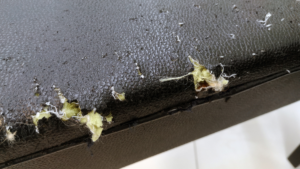
Protecting Furniture During the Training Process
Protecting furniture while your cat learns new habits can make training easier.
Furniture Covers and Barriers
Slipcovers, throws, or aluminum foil can temporarily deter scratching during the training phase.
Double-Sided Tape
Cats dislike sticky textures on their paws. Pet-safe double-sided tape can be applied to problem areas to discourage scratching.
Texture Changes
Cats often avoid certain textures. Plastic floor protectors, foil, or smooth vinyl can deter scratching without causing harm.
Maintaining Your Cat’s Claws
Keeping your cat’s claws well maintained can reduce damage.
Regular Nail Trimming
Trim your cat’s nails every 2–4 weeks to reduce sharpness. Follow these tips:
-
Use proper cat nail clippers
-
Trim only the sharp tip
-
Avoid the pink quick
If you are unsure, ask a veterinarian or groomer for guidance before trimming on your own.
Nail Caps
Soft, removable nail caps can be glued over your cat’s claws. They are safe, painless, and last several weeks. While they do not stop scratching behavior, they significantly reduce damage.

Reducing Stress and Anxiety
Stress is a common trigger for destructive scratching. A calmer cat is easier to train.
Maintain a Consistent Routine
Feed, play, and interact with your cat at roughly the same times each day.
Environmental Enrichment
Cats need mental stimulation. Interactive toys, puzzle feeders, window perches, and cat trees can help reduce boredom.
Address Multi-Cat Tension
Scratching may result from tension in multi-cat households. Ensure each cat has:
-
Their own scratching posts
-
Separate feeding areas
-
Multiple litter boxes
Understanding: Training, Not Elimination
Scratching should not be viewed as something to eliminate entirely. The goal is redirection, not removal. This misconception often leads people to ineffective solutions when learning How to Stop Cat Scratching.
Cats need to scratch. Success means your cat scratches appropriate surfaces—not that they stop scratching altogether.
What to Do If You Catch Your Cat Scratching Furniture
Your reaction in the moment matters.
-
Stay calm. Do not yell or make sudden movements.
-
Interrupt gently. Clap softly or make a neutral sound.
-
Redirect immediately. Lead your cat to a scratching post.
-
Reward. Praise or treat once they use the correct surface.
Consistency is essential. Over time, your cat will naturally choose approved scratching areas.
Timeline for Results
Patience is important. Cats vary in how quickly they adapt to training. Results typically take several days to a few weeks and depend on:
-
Age
-
Personality
-
Previous habits
-
Stress levels
Kittens usually learn faster than older cats, which may require more patience. Stay consistent—progress is often gradual but steady.
When to Seek Professional Help
Sudden, excessive, or obsessive scratching may indicate a medical or behavioral issue. Consult a veterinarian to rule out pain, arthritis, or anxiety disorders. A certified feline behaviorist can also provide professional guidance.
Final Thoughts: Living in Harmony With Your Cat
Learning How to Stop Cat Scratching is not a battle of wills—it’s about understanding. When you respect your cat’s instincts and provide appropriate outlets, scratching becomes manageable rather than destructive.
By offering the right scratching surfaces, placing them strategically, using positive reinforcement, and maintaining your cat’s physical and emotional well-being, you can protect your home without harming your bond. Scratching is a language your cat speaks—once you learn to listen and respond, peaceful cohabitation becomes not only possible, but enjoyable.
Save pin for later

- The Cutest Cat Breeds in the World - March 21, 2026
- Black Cat Names That Are as Mysterious and Beautiful as They Are - March 21, 2026
- Did You Know Your Dog Could Have Diabetes? - March 20, 2026