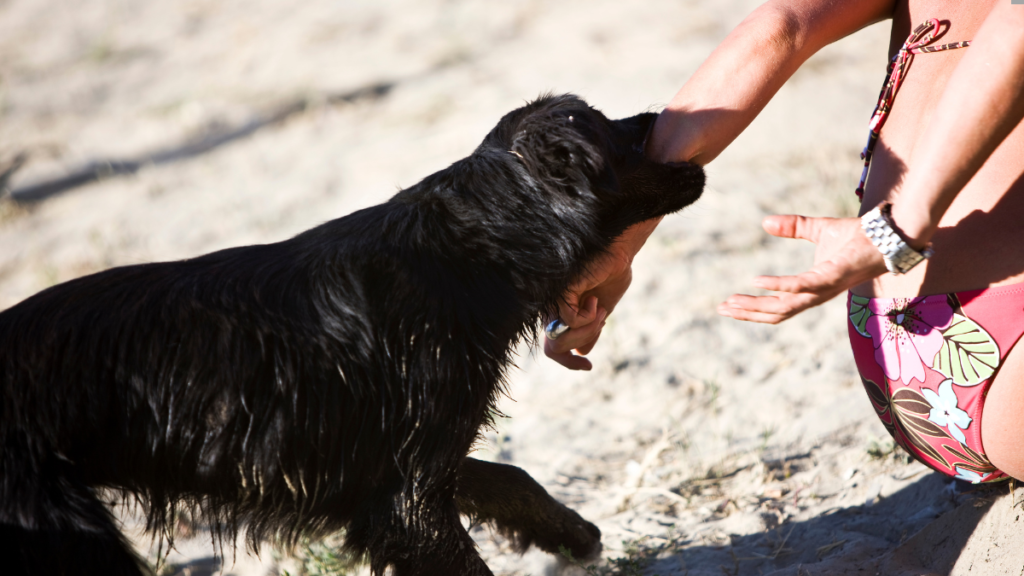
Dogs are wonderful creatures, but let’s be honest: they can also be a handful sometimes. Unwanted behaviors like barking, chewing, or digging can quickly drive any pet owner crazy.
Fortunately, there are ways to stop bad dog habits fast with a little training, patience, and insight into your furry friend’s mind. In this article, we’ll walk you through practical strategies to nip unwanted behavior in the bud, making life better for both you and your canine companion.

Why Do Dogs Develop Bad Habits?
Before we can correct bad behavior, it’s important to understand what causes it in the first place. Dogs don’t act out to be spiteful or frustrating—they communicate through their actions. Many so-called “bad” behaviors are actually natural instincts or ways your dog is trying to signal that their needs are not being met.
Here are some common reasons dogs develop unwanted habits:
-
Boredom or lack of stimulation: Dogs need physical exercise and mental challenges. If they don’t get enough stimulation, they often compensate with destructive behavior, such as chewing shoes or furniture.
-
Separation anxiety: Dogs that have trouble being alone might bark excessively, urinate in the house, or scratch doors in an attempt to escape when left alone.
-
Fear or stress: Loud noises, unfamiliar environments, or sudden changes in routine can trigger bad behavior in dogs.
-
Lack of training or unclear rules: Dogs need guidance and boundaries to thrive. Without consistent rules and training, dogs may test limits or repeat unwanted behaviors.
Identifying the root cause of the unwanted behavior allows you to tailor your approach and effectively stop bad dog habits fast, rather than simply masking the symptoms.
Step 1: Reward Good Behavior
One of the best ways to stop bad habits is to focus on the behavior you do want and reward it. Positive reinforcement creates a powerful association between good behavior and positive outcomes.
Here’s how to do it:
-
Use treats strategically: When your dog behaves appropriately—for example, sitting calmly instead of jumping on you—give them a small treat immediately. Timing is crucial.
-
Praise and affection: Dogs respond well to verbal praise and petting. Use cheerful, encouraging phrases like “Good job!” or “Yes!” when your dog does something you like.
-
Consistency is key: Make sure everyone in your household is on the same page. Inconsistent messages will confuse your dog and slow down training.
By focusing on positive reinforcement, you encourage your dog to repeat good behaviors naturally, which will help stop bad dog habits fast over time.

Step 2: Identify and Remove Triggers
Most bad habits have specific triggers. Identifying these triggers and eliminating or reducing exposure to them is essential for training your dog.
For example, if your dog only chews shoes when left alone, separation anxiety may be the issue. If your dog barks incessantly when visitors arrive, the doorbell is likely the trigger.
-
Observe carefully: Take note of when and where unwanted behaviors occur. Keeping a journal for a week or two can help you spot patterns.
-
Modify the environment: Reduce exposure to triggers. For example, if your dog chews furniture out of boredom, provide durable chew toys. If barking is triggered by the doorbell, desensitize your dog by ringing it occasionally and rewarding calm behavior.
Once you identify triggers and adjust accordingly, it becomes much easier to stop bad dog habits fast.
Step 3: Use Clear Commands and Boundaries
Dogs thrive on structure and consistency. Clear commands, rules, and boundaries help your dog know what to expect and how to behave.
-
Simple commands: Use short, clear words like “Sit,” “Stay,” “Leave it,” or “No.” Longer sentences can confuse your dog.
-
Physical boundaries: Use baby gates, crates, or designated areas for eating and playing. This helps manage behavior while your dog is still learning self-control.
-
Consistent rules: Everyone in your household should enforce the same rules to avoid confusing your dog.
Clear communication and consistent boundaries reduce stress for both you and your dog, making training more effective and helping prevent bad habits from taking root.
Step 4: Redirect and Distract
Redirection is a powerful tool. Instead of scolding your dog, redirect their attention to more acceptable behavior.
-
Chewing: If your dog starts chewing furniture, offer a chew toy or treat immediately and praise them when they use it.
-
Jumping: If your dog jumps on guests, make them sit and reward them only when all four paws are on the ground.
-
Excessive barking: Interrupt barking with a calm, firm “Quiet,” then redirect your dog to a toy or task once they stop.
Redirecting provides an appropriate outlet for your dog’s instincts or needs and helps stop bad dog habits fast without reinforcing the unwanted behavior.
Step 5: Exercise and Mental Stimulation
A tired dog is a well-behaved dog. Lack of physical and mental stimulation is a leading cause of unwanted behaviors.
-
Physical exercise: Tailor walks and play sessions to your dog’s breed and energy level. High-energy breeds need more vigorous and longer exercise than laid-back breeds.
-
Mental stimulation: Puzzle toys, treat-dispensing games, and short training sessions keep your dog engaged and mentally active.
Providing both physical and mental exercise promotes overall well-being and reduces the likelihood of bad behaviors.
Step 6: Timeouts
Timeouts can effectively interrupt bad behavior if used wisely.
-
Short and calm: Remove your dog from the situation calmly and without shouting. A few minutes in a designated area, such as a crate or separate room, is enough.
-
Re-engage positively: Once your dog calms down, reintroduce them calmly and reinforce good behavior.
Timeouts teach that certain behaviors lead to a temporary loss of attention, helping your dog learn boundaries without fear or anxiety.
Step 7: Avoid Common Mistakes
Even well-meaning owners can inadvertently reinforce bad habits. Avoid these common mistakes:
-
Inconsistent rules: Changing rules based on your mood confuses your dog.
-
Physical punishment: Hitting or shouting creates fear and anxiety, worsening bad behavior.
-
Delayed reinforcement: Rewards or corrections must be immediate to link them to the behavior.
-
Ignoring good behavior: Praise and reward positive actions frequently to reinforce them.
Avoiding these mistakes accelerates learning and reduces setbacks.

Step 8: Enlist Help if Needed
Some behaviors are more challenging, especially those rooted in fear, aggression, or anxiety. Professional trainers or behaviorists can provide valuable guidance.
-
Behavior assessment: Professionals identify the root cause of unwanted behavior.
-
One-on-one training: Tailored sessions address your dog’s specific challenges.
-
Owner support: Trainers teach consistent techniques for managing and modifying behavior.
Seeking help early can save time, stress, and potential property damage.
Step 9: Practice Patience
Patience is essential. Dogs have unique personalities and learn at their own pace.
-
Track progress: Monitor behavior to identify what works.
-
Stay calm: Dogs sense frustration, which can hinder learning.
-
Adjust methods as needed: If a technique isn’t effective, try a different approach rather than giving up.
While the goal is to stop bad dog habits fast, remember that behavior modification is a process. Celebrate small victories along the way.

Step 10: Build a Strong Bond
A strong human-dog bond can prevent unwanted behaviors. Dogs that feel loved, secure, and understood respond better to training.
-
Quality time: Play, cuddle, and engage with your dog regularly.
-
Clear communication: Use consistent signals and language your dog understands.
-
Breed-specific needs: Recognize that different breeds and personalities require different approaches to exercise, training, and mental stimulation.
A positive relationship not only prevents bad habits but also strengthens the bond between you and your furry companion.
Conclusion
Stopping bad dog habits fast is possible with understanding, patience, and the right techniques. By identifying the root cause of behavior, rewarding good actions, setting clear boundaries, providing mental and physical stimulation, and building a strong bond, you can help your dog replace unwanted behaviors with positive ones.
Consistency is key, and every dog learns at their own pace. With patience, the right approach, and expert guidance when needed, you and your dog can enjoy a happier, more harmonious life together.
Save pin for later


- The Cutest Cat Breeds in the World - March 21, 2026
- Black Cat Names That Are as Mysterious and Beautiful as They Are - March 21, 2026
- Did You Know Your Dog Could Have Diabetes? - March 20, 2026