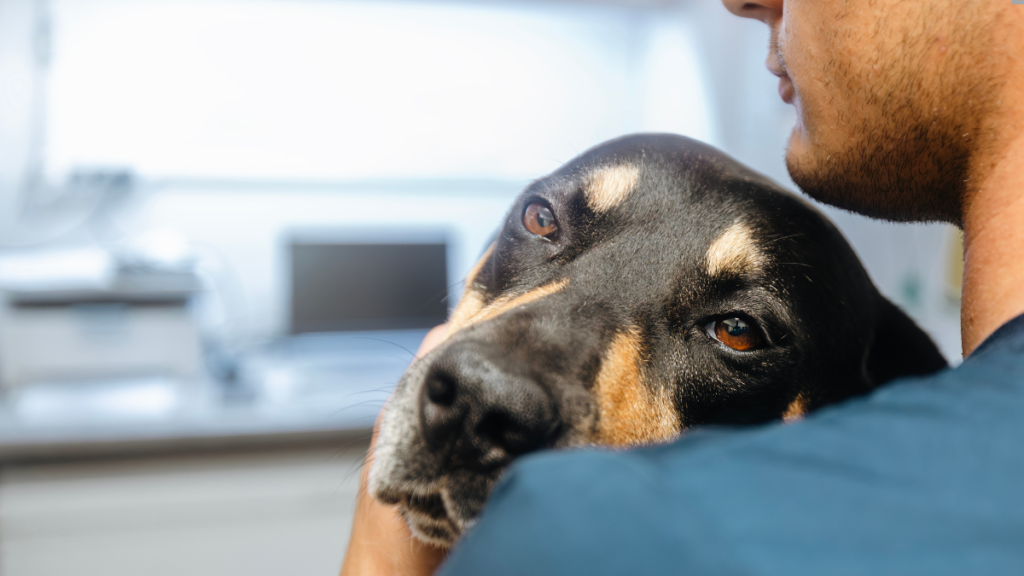
Dogs can communicate a lot with their eyes, but sometimes they don’t show what they’re feeling as clearly as humans do. Not only can dogs not verbally tell you when something hurts, but they are also naturally good at hiding pain.
This instinct is partly evolutionary—they want to avoid appearing weak—but it also means that, as pet owners, it’s up to us to recognize when they are uncomfortable. Recognizing even subtle changes in behavior or physical activity can have a huge impact on your dog’s health, well-being, and overall quality of life.

What Does Pain Look Like in Dogs?
Dogs experience pain much like humans do, but many animals instinctively try to hide it. This behavior, rooted in evolution, helped protect them from predators in the wild. Even in a domesticated environment, dogs may still mask their pain to some extent. As a result, you may not notice discomfort in your dog until it becomes severe.
Pain in dogs can be divided into two main types:
Acute Pain
Acute pain occurs suddenly and is typically intense, though it may subside over time. It is often caused by an injury, surgery, or trauma. This type of pain is usually easier to identify because dogs may react immediately with signs such as whimpering, growling, limping, or withdrawing from contact.
Chronic Pain
Chronic pain is persistent or intermittent discomfort that develops over a longer period. It is usually less intense than acute pain but can significantly affect your dog’s quality of life. Chronic pain may be caused by joint problems, degenerative conditions like arthritis or hip dysplasia, dental disease, obesity, back issues, or kidney disease.
The type of pain your dog is experiencing will help determine the best approach to care and management.
Signs That Your Dog Is in Pain
Pain in dogs can manifest both physically and behaviorally. The most common signs include:
Changes in Mobility
Changes in your dog’s walking or movement are often the most noticeable signs of pain. Look for:
-
Limping or favoring a particular leg or paw
-
Hesitation to climb stairs or jump on furniture
-
Stiff or rigid body posture while walking
-
Slow gait or reluctance to exercise
Even minor changes in posture, gait, or movement can be especially telling in older dogs or those with joint issues.
Vocalizations
Dogs in pain may vocalize more than usual. Watch for:
-
Whining or whimpering
-
Growling
-
Yelping
Notice when these behaviors occur. For example, if your dog yelps when you touch a specific area, it may indicate localized pain or injury.
Changes in Appetite or Drinking Habits
Pain can affect eating and drinking behaviors. Your dog may lose interest in food or water, or sometimes may eat more than usual. Any sudden or unusual change in these habits could signal discomfort.
Behavioral Changes
Dogs often express pain through changes in behavior. Common signs include:
-
Increased irritability or aggression
-
Withdrawal or hiding
-
Clinginess or excessive attention-seeking
-
Altered sleep patterns
Because dogs cannot verbalize their pain, behavioral changes are often one of the first indicators of discomfort.
Changes in Grooming or Posture
Pain can also affect your dog’s grooming and posture. Look for:
-
Over-grooming a specific area
-
Excessive licking, biting, or scratching
-
Hunched back or lowered head
-
Tense or stiff body posture
These signs may indicate localized pain, joint issues, or skin problems such as allergies or infection.
How to Detect Pain in Dogs Early
Spotting pain early can prevent long-term suffering. Here’s how:
Observe Your Dog Regularly
Pay attention to your dog’s normal behaviors. Note their walking pace, energy levels, sleeping habits, and eating routines. Knowing your dog’s baseline behavior makes it easier to detect subtle changes.
Check Your Dog Physically
Perform regular gentle checks to detect any issues:
-
Run your hands over your dog’s body to feel for swelling, heat, or unusual lumps
-
Inspect paws for cuts or injuries
-
Observe your dog’s reactions when touching joints, hips, or back
If your dog winces, pulls away, or reacts defensively, it may be a sign of pain and warrants a veterinary checkup.
Watch for Subtle Signs
Not all pain is obvious. Subtle signs may include:
-
Reluctance to play or walk
-
Sitting or lying in unusual positions
-
Restlessness or panting for no clear reason
Spending time with your dog daily helps you recognize even these minor indicators of discomfort.
Understand Common Causes
Knowing common sources of pain helps identify potential problems:
-
Arthritis and joint issues
-
Dental problems
-
Injuries
-
Internal organ problems
-
Skin conditions
Understanding these causes can help you respond more effectively.
When to Consult a Veterinarian
Not all pain is the same, and treatment varies depending on the cause. Consult a veterinarian if you notice:
-
Persistent limping or mobility issues
-
Sudden behavioral changes
-
Loss of appetite or refusal to drink
-
Unexplained vocalizations (whining, yelping, crying)
-
Any signs of injury, swelling, or infection
Veterinarians can perform a thorough examination, including X-rays or lab tests if necessary, and develop a treatment plan that may include medication, physical therapy, or dietary changes.
Managing Pain in Dogs
If your dog is in pain, there are several strategies to help them:
Medication
Veterinarians may prescribe pain-relief medications such as NSAIDs or other options specifically formulated for dogs. Never give human medications without veterinary guidance, as many are toxic to dogs.
Physical Therapy and Exercise
Controlled, low-impact exercises like gentle walks or swimming can improve mobility and reduce discomfort. Physical therapy may include massage, stretching, or hydrotherapy.
Comfortable Living Environment
Provide orthopedic beds, ramps, and soft surfaces to help dogs with joint pain move more comfortably. Avoid high-impact activities that could worsen pain.
Special Diets and Supplements
Certain diets and supplements can support joint health and reduce inflammation. Commonly recommended options include Omega-3 fatty acids, glucosamine, and chondroitin. Always consult your veterinarian before adding supplements.
Regular Veterinary Checkups
Routine vet visits allow early detection and treatment of chronic conditions. Preventive care, including dental exams and weight management, significantly improves comfort and quality of life.
Emotional Support
Pain affects dogs emotionally as well as physically. Offering love, consistency, and gentle attention can help your dog feel secure and supported during discomfort.
Conclusion
Pain in dogs is common, but you can help prevent and manage it with attentive care, regular checkups, and early detection. Recognizing subtle changes in behavior, mobility, or grooming can make a significant difference in your dog’s comfort and quality of life. By understanding how to tell if your dog is in pain and responding promptly, you ensure your furry friend stays happy, healthy, and comfortable.
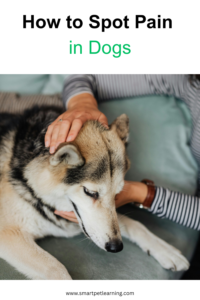
Save pin for later

- The Cutest Cat Breeds in the World - March 21, 2026
- Black Cat Names That Are as Mysterious and Beautiful as They Are - March 21, 2026
- Did You Know Your Dog Could Have Diabetes? - March 20, 2026