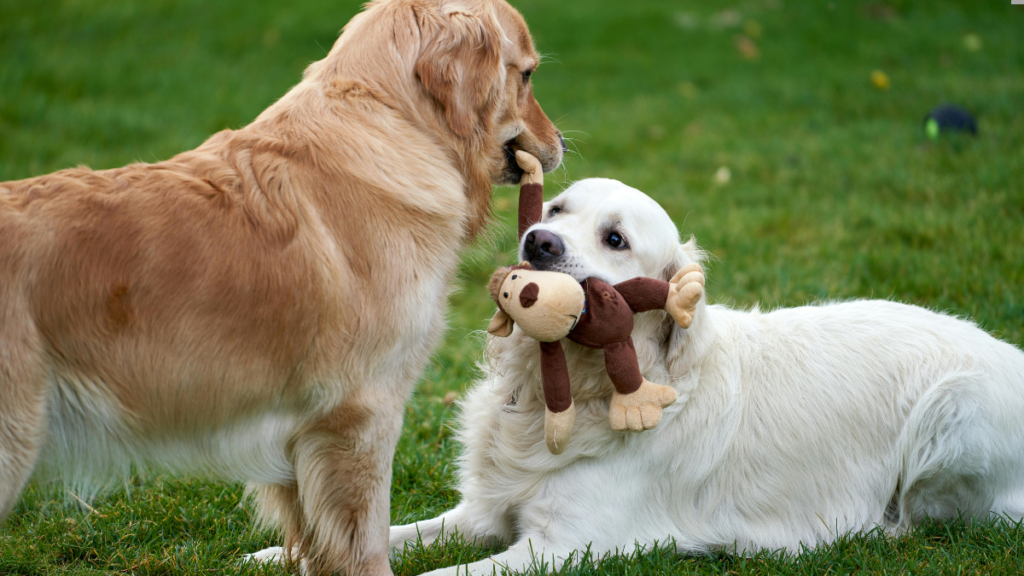
It’s hard to imagine a better friend than a dog. They’re always happy to see you, they love running and playing, and they love to cuddle too. Bringing a dog into your life can bring a lot of joy. But raising a balanced, well-adjusted dog isn’t just a matter of food, walks, and cuddles. One of the most important parts of dog ownership is How to Socialize Your Dog Safely.
Socialization is the process of getting your dog used to different people, other animals, and new environments in a way that leaves them feeling calm, comfortable, and confident.
Safe socialization, when done right, can help prevent fear-based behavior, aggression, and anxiety later in life.

What Does Dog Socialization Really Mean?
Dog socialization is the act of positively and gently exposing your dog to all the different sights, sounds, and experiences they may encounter over the course of their lives. This includes:
-
Different types of people (children, adults, people wearing hats, people in uniforms, etc.)
-
Other dogs and animals
-
Different environments and walking surfaces
-
Everyday sounds (traffic, washing machines, vacuum cleaners, doorbells, etc.)
-
Handling experiences (grooming, vet visits, bathing, etc.)
The aim is not to force a dog to confront these experiences, but rather to teach them that they are nothing to fear. The ultimate goal is a dog who feels safe and secure, even when faced with something new.
Why Safe Socialization Is So Important
Dog socialization is vital for your dog’s emotional and behavioral development. Dogs that have been safely and positively socialized are far more likely to:
-
Stay calm in new environments
-
Meet new people and dogs in a positive way
-
Cope better with stress
-
Learn new skills and commands more easily
Dogs that aren’t well socialized are more likely to develop behavioral problems such as barking, lunging, hiding, snapping, and generalized anxiety. This behavior is not a sign of a “bad dog,” but rather a dog that is afraid.
The Best Age to Start Socializing Your Dog
Socialization Window for Puppies
If your dog is a puppy, the best time to start socialization is as early as possible. Puppies have a “socialization window” between the ages of 3 and 16 weeks, during which positive experiences have a greater impact on their attitude toward the world around them.
Puppies can be safely socialized even before they are fully vaccinated, but socialization before 16 weeks should be limited to safe, controlled environments. Dog parks and areas with unknown dogs should be avoided until your veterinarian confirms your puppy is fully vaccinated.
Adult Dogs and Socialization
It’s not too late if you have an adult dog or a rescue. Adult dogs can still learn, adapt, and change. It may take more time and patience, but adult socialization is absolutely possible. The same principles apply: gradual exposure, positive reinforcement, and never pushing your dog too far, too fast.
The 7 Steps to Safely Socialize Your Dog
The key to dog socialization is not rushing or forcing your dog to experience everything at once. Learning How to Socialize Your Dog Safely is about offering positive experiences at your dog’s own pace. These steps will guide you through the process.
1. Start Slow and Controlled
Begin socialization in a calm environment your dog is already familiar with. A quiet street, a friend’s backyard, or a park during off-peak hours are good places to start. Avoid busy or chaotic environments, especially early on.
2. Watch Your Dog’s Body Language
Your dog communicates constantly through body language. Signs your dog is comfortable include:
-
Relaxed posture
-
Soft eyes
-
A wagging tail held at a neutral height
-
Curious but calm behavior
Signs your dog is stressed or afraid include:
-
A tucked tail
-
Flattened ears
-
Yawning, lip licking, or excessive panting
-
Freezing or trying to escape
-
Growling or snapping
If you notice signs of stress, immediately create distance between your dog and the trigger and allow them time to calm down.
3. Use Positive Reinforcement
Reward calm, confident behavior with treats, praise, or a favorite toy. This teaches your dog that new experiences lead to positive outcomes. Avoid punishment or force, as these will increase fear and damage trust.
4. Introducing Your Dog to New People
Meeting new people is an important part of socialization, but it should always happen on your dog’s terms.
Ask new people to ignore your dog at first and allow the dog to approach when they are ready. Avoid direct staring or reaching over your dog’s head. Always let your dog sniff before allowing them to be petted.
Children should always be supervised around dogs. Teach children to approach gently and avoid sudden movements, loud noises, or rough handling.
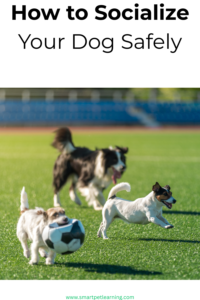
5. Introducing Your Dog to Other Dogs
Dog-to-dog interactions can be one of the most rewarding aspects of socialization, but they can also be stressful if not handled correctly.
Start with calm dogs that are known to be well socialized. Dogs that are overly energetic or dominant should be avoided early on. Introduce dogs in neutral territory, such as a quiet park, rather than inside one dog’s home. Territorial behavior is far less likely in neutral areas.
Keep leashes loose and allow the dogs to move naturally under supervision. If one or both dogs appear tense, calmly end the interaction.
Short, positive sessions are key. End introductions on a good note before either dog becomes overwhelmed. Short, successful experiences are far more valuable than long, stressful ones.
6. Socializing Your Dog to New Environments
Exposure to new environments is just as important as meeting new people or dogs. Introduce your dog to:
-
Different walking surfaces (grass, pavement, sand)
-
Car rides
-
Dog-friendly stores
-
Outdoor cafés
-
Busy streets (from a distance at first)
Keep treats handy, keep sessions short, and let your dog explore at their own pace. Allowing your dog to observe from a distance and approach when relaxed helps prevent anxiety.
7. Common Socialization Mistakes to Avoid
Even well-meaning dog owners can make mistakes. Common errors include:
Forcing interactions
If your dog is clearly uncomfortable, do not force interaction. This increases fear and can lead to long-term behavioral problems.
Moving too quickly
Advancing too fast can overwhelm your dog. Take your time and celebrate small wins.
Ignoring fear signals
Growling, freezing, or hiding are clear signs your dog is uncomfortable. Respect these signals and adjust your approach.
Relying solely on dog parks
Dog parks can be helpful but are often chaotic and unpredictable, especially for puppies or shy dogs. They should not be your only socialization tool.
Socialization and Training Go Hand in Hand
Basic obedience training—such as sit, stay, leave it, and come—supports socialization by providing structure and confidence. Training gives you tools to redirect your dog in overwhelming situations and strengthens the bond between you and your dog, increasing trust and cooperation in new environments.
When to Consult a Professional
If your dog shows signs of severe fear or aggression, it’s time to seek professional help. A certified dog trainer or behaviorist can create a tailored plan to address your dog’s specific needs. Professional guidance is especially important for rescue dogs with unknown histories or traumatic past experiences.
Long-Term Benefits of Safe Socialization
Dogs that are safely socialized tend to be:
-
More relaxed at home and in public
-
Easier to train
-
Safer around people and other animals
-
Better able to adapt to life changes
Socialization is a lifelong process, not a one-time task. Dogs that continue to have positive experiences throughout their lives are far less likely to develop fear-based behaviors.
Wrapping Up
How to Socialize Your Dog Safely is one of the greatest gifts you can give your dog. It builds trust, reduces fear, and lays the foundation for lifelong positive behavior. By moving at your dog’s pace, using positive reinforcement, and paying close attention to their signals, you help create a world where your dog feels safe and confident.
Every dog is different, and there is no perfect timeline. Patience, empathy, and consistency will always be more effective than rushing the process.
Save pin for later

- The Cutest Cat Breeds in the World - March 21, 2026
- Black Cat Names That Are as Mysterious and Beautiful as They Are - March 21, 2026
- Did You Know Your Dog Could Have Diabetes? - March 20, 2026