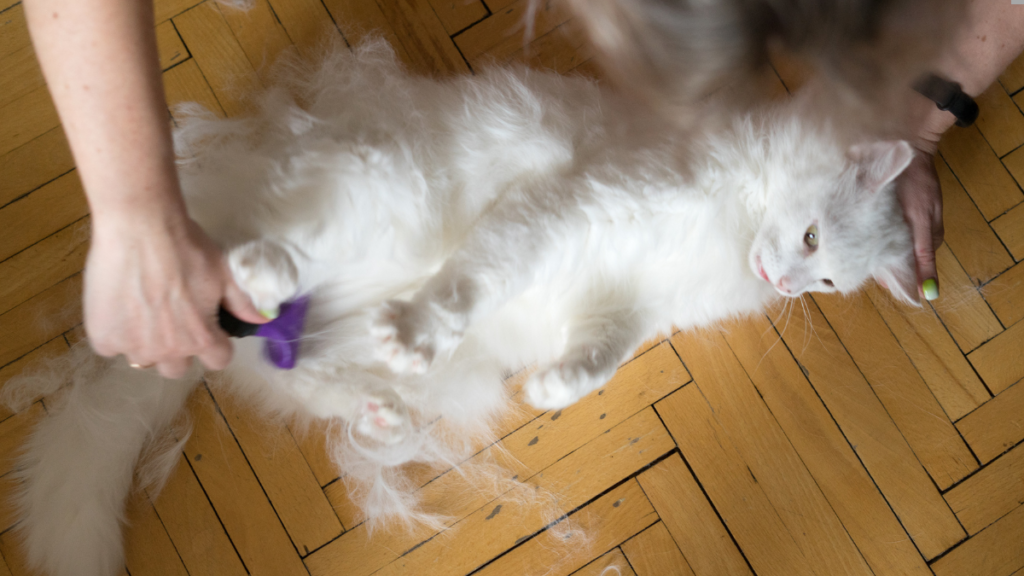
We love how our cat’s fur feels when we run our hands through it, but we don’t love the shed hair everywhere else! Cat shedding is normal, and it’s good for your cat—it keeps their coat healthy by removing old, damaged, and excess hair. But what’s normal and what’s not? How can you keep shedding under control? How can you reduce shedding in cats?
Shedding is a common issue for cat owners, no matter the breed. Long-haired breeds like Maine Coons and Ragdolls shed a lot of fur, but so do short-haired cats.You’ll also find tips in this article on how to prevent cat hairballs, which are often caused by ingesting loose fur.
Why Cats Shed
Before learning how to reduce shedding in cats, it’s important to understand why they shed in the first place. Shedding is a natural process in which a cat’s body rids itself of old or damaged hair to make room for new growth.
Cat shedding has several benefits:
-
Temperature regulation: Seasonal shedding helps cats stay comfortable and regulate their body temperature during warm and cold months.
-
Hair health: Regular shedding keeps their coats healthy by removing damaged or dead hair.
-
Hair growth: Shedding allows for new hair growth, keeping a cat’s coat beautiful and full.
Several factors affect how much a cat sheds:
-
Seasons: Cats naturally shed, but most shed more in the spring and fall. Outdoor cats and indoor cats exposed to natural light also shed seasonally.
-
Age: Older cats tend to shed more than younger ones. As cats age, their metabolism slows down, and their skin may weaken, resulting in more shedding.
-
Breed: Long-haired cats shed more than short-haired ones. Even short-haired and hairless cats shed dander.
-
Health and nutrition: Cats with medical problems, allergies, or poor nutrition often shed more than healthy cats.
-
Stress: Stressed cats tend to shed more, often all over their bodies.
Understanding why your cat sheds can help you address the root causes. For example, while you can’t reduce shedding in an older cat due to age, improving nutrition or treating medical problems can help manage excessive shedding.
Ways to Reduce Shedding in Cats
1. Grooming
Grooming your cat is the most effective way to reduce shedding. It removes loose hair before it falls out, prevents hairballs, distributes natural skin oils, and allows you to check for skin or coat problems.
Brushing Your Cat
-
Short-haired cats: Brush for 5–10 minutes, two to three times a week. A rubber brush or grooming glove works well and won’t hurt their skin.
-
Long-haired cats: They need more frequent brushing or combing to remove loose fur and prevent tangles and mats.
Tips for brushing your cat:
-
Start grooming when your cat is young to get them used to regular sessions.
-
Use the proper brush for your cat’s coat type. Short-haired cats do well with rubber brushes or combs, while long-haired cats need finer brushes to reach the undercoat.
-
Avoid over-brushing, as excessive grooming can damage the coat and skin.
-
Brush in the direction of the fur, not back and forth.
Bathing Your Cat
Cats are excellent self-groomers, but occasional baths can help reduce shedding, especially if the coat is oily or dirty. Use a cat-specific shampoo and rinse thoroughly. Bathing every few months is sufficient—overbathing can dry out their skin and increase shedding.
Tips for bathing your cat:
-
Brush first to loosen fur and prevent matting.
-
Use lukewarm water to avoid irritating their skin.
-
Pat dry with a towel instead of rubbing.
-
Reward your cat with treats or a favorite toy after the bath to create a positive association.
Hairballs
Cats ingest loose fur while grooming, leading to hairballs that can cause vomiting. Regular brushing reduces hair ingestion, and hairball-forming treats or fiber supplements can help pass ingested hair more easily.
2. Nutrition
Nutrition is key to every aspect of a cat’s health, including shedding. A high-quality diet and plenty of fresh water can go a long way toward reducing cat shedding.
Important nutrients for a healthy coat and skin:
-
Omega-3 and Omega-6 fatty acids: These essential fats promote shiny, healthy skin and reduce dry fur.
-
Protein: Hair is made mostly of protein, so high-quality protein in the diet keeps fur strong and prevents excess shedding.
-
Vitamins and minerals: Vitamin E, zinc, and biotin support skin and coat health. Most premium cat foods are fortified with these nutrients.
-
Hydration: Ensure your cat has constant access to fresh water. Wet cat food can also help maintain hydration.
Feeding your cat high-quality food formulated for coat and skin health is one of the best natural ways to reduce shedding.
3. Reduce Stress
Stress can increase shedding. Helping your cat stay relaxed can keep fur loss under control.
-
Provide a safe, quiet retreat for your cat.
-
Spend time playing and exercising with your cat to reduce stress and strengthen your bond.
-
Keep a consistent routine for feeding, grooming, and quiet time, as cats thrive on routine.
4. Natural Remedies
In addition to grooming, nutrition, and stress reduction, natural remedies can help reduce shedding:
-
Herbal supplements:
-
Aloe vera: Soothes irritated skin in small, cat-safe amounts.
-
Chamomile: Used in sprays or shampoos to calm itchy, inflamed skin.
-
Coconut oil: A small amount added to food can improve coat health and reduce shedding.
-
-
Environmental changes:
-
Humidity: Dry air leads to dry skin and more shedding; use a humidifier if needed.
-
Air quality: Dust and allergens can trigger shedding. Regular cleaning and vacuuming improve indoor air.
-
Temperature: Keep indoor temperatures comfortable to prevent stress-induced shedding.
-
Combining these natural remedies with proper grooming and nutrition can help reduce shedding without chemical treatments.
5. When Shedding Becomes a Health Issue
Normal shedding is fine, but excessive or patchy shedding may indicate health problems. Watch for:
-
Bald spots or patchy fur
-
Red, inflamed, or itchy skin
-
Scabs or lesions
-
Sudden fur loss outside the typical shedding season
-
Changes in behavior or appetite
If you notice these symptoms, consult your vet. Causes could include allergies, parasites, thyroid disease, or skin infections. Regular checkups are essential to catch problems early and keep your cat’s coat healthy.
6. Practical Tips for Cat Owners
-
Lint rollers and vacuum regularly: Keep fur off furniture, carpets, and clothing.
-
Invest in grooming tools: High-quality brushes or gloves make grooming easier.
-
Maintain routines: Consistent grooming, play, and feeding schedules help reduce stress and shedding.
-
Protect furniture: Washable covers make cleaning easier.
-
Occasional baths: If your cat tolerates water, baths with cat shampoo can help control shedding.
Conclusion
Learning how to reduce shedding in cats takes time and patience, but it’s worth it for a cleaner home and a healthier cat. Shedding is normal, but with the right grooming, nutrition, stress management, and natural remedies, you can keep it under control.
Every cat is unique, so pay attention to your cat’s individual needs. Consult your veterinarian if you notice unusual shedding or health concerns. With consistent care, you’ll enjoy a happy, healthy cat and a fur-free home.
Save pin for later

- The Cutest Cat Breeds in the World - March 21, 2026
- Black Cat Names That Are as Mysterious and Beautiful as They Are - March 21, 2026
- Did You Know Your Dog Could Have Diabetes? - March 20, 2026