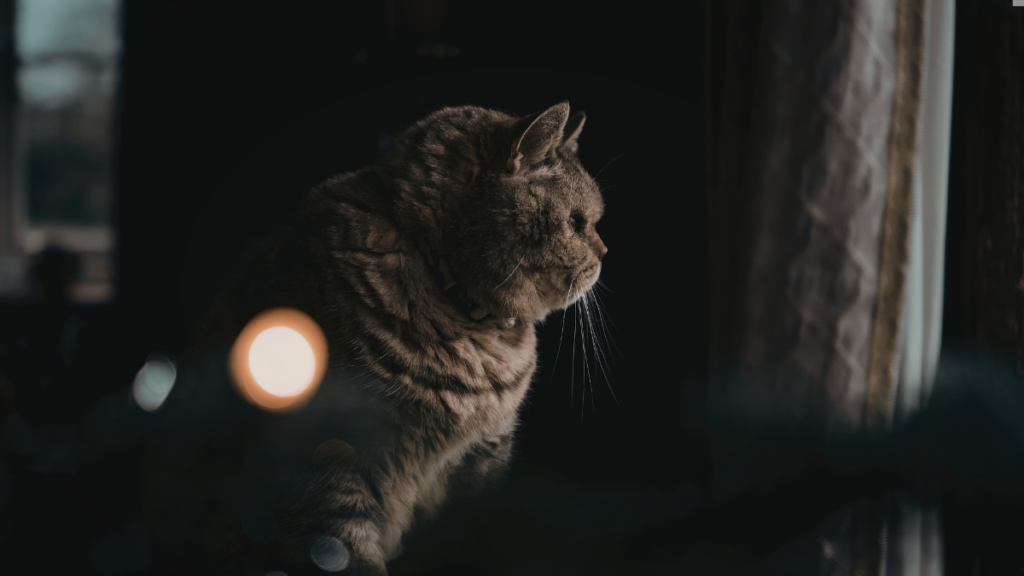
Hey there—if you’re reading this at 2 a.m. because your cat just finished zooming down the hallway faster than you can blink, welcome to the club. Between sleep-deprived Googling sessions and late-night tinkering with things you shouldn’t (looking at you, puzzle feeders), you’ve probably already been through a lot trying to figure out how to reduce nighttime activity in cats.
You’re not a bad pet owner for wanting your beauty sleep. And we promise—you don’t need to resort to punishment, locking your cat in a room, or ignoring your cat’s needs to get your sleep back.

Why Do Cats Act Like It’s Playtime at Night?
Hey—it’s science. Blame your cat’s biology, not their personality.
Cats Are Naturally Crepuscular
In nature, crepuscular predators like cats take advantage of low-light hours at dawn and dusk to stalk their prey. Rodents and birds are also active during these times, which keeps cats well-fed.
This instinct lives on in domestic cats, even if yours has never successfully hunted a single bird in their life.
Your Cat’s Inner Clock Is Dictating Their Activity Level
In the middle of the night (or early morning), when you’re exhausted and could very well swat at your cat with a sleepy paw, your cat is wide awake and ready to pounce on imaginary enemies.
It’s frustrating for humans—but it’s not your cat’s fault.
They’re not doing it to spite you or seek attention. Their body is literally primed for action because that’s when they’re programmed to hunt.
Indoor Cats Don’t Always Burn Off Energy During the Day
Outdoor cats climb trees, chase birds, stalk butterflies, and entertain themselves in other cat-ish ways all day long. Indoor cats might play with toys occasionally, but they also spend much of their daylight hours sleeping because they’re bored.
So by the time humans are comfy on the couch for the night, cats are just hitting their stride.

6 Reasons Your Cat Is Hyper at Night
Nighttime zoomies aren’t always caused by one simple thing. Identifying the reason will help you correct the behavior more effectively.
They Have Too Much Energy
Does your cat jump on your bed at night and play until you kick them off? If they’re sleeping all day, ignoring toys, and lacking mental stimulation, nighttime may be when all that pent-up energy comes out.
They’re Hungry or Schedule-Driven
House cats instinctively graze. But if they routinely go several hours between meals—especially overnight—they can turn into nocturnal scavengers. Not ideal when you’re trying to sleep.
They Want Attention
Is your cat constantly trying to wake you up at night? Sometimes cats learn that nighttime antics get results. Yelling, petting, or even pushing them off the bed still counts as attention.
And guess what they do more of when it works? Exactly.
They’re Stressed or Anxious
There are many possible causes of feline anxiety. Life changes, new animals or babies, loud noises, fireworks, or a lack of hiding spots are common triggers. Cats often cope with stress by pacing, vocalizing, or becoming overly active at night.
Your Cat Is Going Through Age-Related Changes
Hyperactive kittens and young cats are common—but senior cats can struggle too. As cats age, they may develop cognitive dysfunction, which can disrupt their internal clocks and sleep patterns.
Don’t Stress… Nighttime Activity Isn’t Always Bad
As long as your cat gets enough exercise during the day and isn’t constantly jumping on your head at night, there’s usually no cause for concern. Cats are naturally more active at night, and some movement is normal.
However, consider visiting your vet if your cat suddenly can’t sleep, vocalizes more than usual at night, or shows intense nighttime activity paired with other symptoms like appetite changes, litter box issues, or irritability.
How to Stop Cats From Being Active at Night (and Solve It for Good!)
We only recommend solutions that actually work. Here’s what helps curb nocturnal chaos.
Adjust Your Cat’s Daytime Schedule
Routine is everything for cats.
Try this daily structure:
-
Morning: Brief play session + breakfast
-
Afternoon: Independent stimulation
-
Evening: Engaging play + dinner
-
Night: Quiet, low-key environment
Aligning play and feeding with your schedule teaches your cat when it’s appropriate to be active.
Increase Playtime at Night (the Right Way)
Wait—what?
Yes. Proper evening play can help your cat sleep through the night.
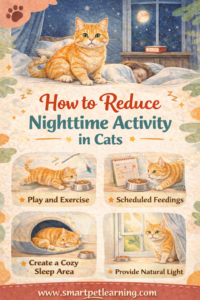
The goal is 15–30 minutes of intense interactive play before bed. This means wand toys, chasing, jumping—activities that mimic hunting.
You’ll know playtime is done when your cat shows signs like:
-
Heavy breathing
-
Slower movements
-
Lying down or grooming
That’s your cue. Lights out.
Feed Immediately After Play
All that hunting is hard work. Doesn’t your cat deserve a meal afterward?
Feeding your cat right after evening play taps into the natural hunt-eat-sleep cycle. Many cat parents see dramatic improvements when most of their cat’s calories are fed after nighttime play.
This also helps prevent early-morning wake-up calls for food.
Stop Rewarding Nighttime Activity
This applies to midnight zoomies and 3 a.m. serenades alike.
If you respond inconsistently—sometimes ignoring the behavior, sometimes reacting—your cat will keep trying.
Ignore unwanted behavior as consistently as possible, and respond the same way every time you must get up. Consistency is critical.
Create a Calm Nighttime Environment
Set the tone for sleep before bed.
Try:
-
Turning off stimulating music
-
Dimming lights
-
Quieting household activity
-
Avoiding vigorous play right before bedtime
Cats pick up on environmental cues more than we realize.
You can also provide:
-
Warm sleeping spots
-
Enclosed beds
-
Elevated perches away from noise or dogs
Anything that promotes safety and comfort helps.
Think Puzzle Feeders and Foraging Toys—Not Ballpoint Pens
Laser chasing feels like hunting, but cats also need mental exercise.
Swap at least one daily meal for a food puzzle. These slow eating and force cats to think, which often leads to deeper sleep afterward.
Rotate toys regularly. Put some away for a few days so they feel “new” again.
Daytime window perches are another powerful enrichment tool. Watching birds and squirrels keeps cats mentally engaged—and less likely to party all night.

DO NOT:
Punish Your Cat at Night
Yelling, spraying water, or shooing your cat away increases stress. Stressed cats are usually more active at night—not less.
Use Long-Term Confinement
Closing your bedroom door is fine if your cat is comfortable elsewhere. But locking them in a room for hours can cause anxiety and worsen nighttime behavior.
Play Right Before Bed
Playing immediately before sleep teaches your cat that bedtime equals playtime. Save intense activity for earlier in the evening.
Sleep Training Your Cat at Night: 5 Tips for Faster Success
Cat Age Matters
Kittens
They’re pure chaos. Multiple play sessions throughout the day and evening are essential. Kittens won’t learn to sleep at night overnight—pun fully intended.
Adult Cats
They’re easier to manage, but still require regular enrichment and routine.
Senior Cats
Changes in sleep patterns can be normal. Cognitive dysfunction may affect their internal clock. Nightlights, comfort, and predictability can help.
Medical Issues Can Disrupt Sleep
Always consult your vet if nighttime behavior changes suddenly. Conditions like hyperthyroidism, pain, or urinary issues can cause nighttime restlessness.
How Long Until You See Changes?
Within two weeks of consistent routine changes, most cats begin settling down at night.
What matters most is predictability:
-
Same playtime
-
Same feeding schedule
-
Same response to nighttime behavior
Sleep training takes time. There will be setbacks. But cats thrive on routine and comfort—and with consistency, they adapt.

Talk to Your Vet or a Cat Behaviorist If…
Reach out if your cat’s nighttime behavior:
-
Started suddenly
-
Seems stressful or confusing for them
-
Includes excessive or painful-sounding vocalization
-
Comes with appetite, litter box, or weight changes
Conclusion
Accommodating your cat’s natural sleep cycle is a journey. Learning how to reduce nighttime activity in cats means meeting their physical and mental needs during the day.
Your cat isn’t rude. They aren’t poorly trained. They’re just operating on a different clock.
With patience and consistency, everyone in your home can enjoy better sleep.
Save pin for later

- The Cutest Cat Breeds in the World - March 21, 2026
- Black Cat Names That Are as Mysterious and Beautiful as They Are - March 21, 2026
- Did You Know Your Dog Could Have Diabetes? - March 20, 2026