
If your cat hisses, swats, growls, or bites, living with them can feel frustrating and emotionally draining—especially if their behavior seems random. Some pet parents think their cat must be “mean,” “moody,” or even unpredictable. But most aggression comes from fear. Understanding how to eliminate fear-based aggression in cats requires patience, empathy, and a bit of detective work.
Your cat isn’t being aggressive to annoy you. They are reacting out of fear. Your job is to learn what they are afraid of and help them regain their trust and confidence.
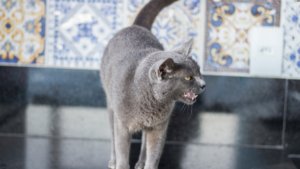
What Is Fear-Based Aggression?
Fear-based aggression in cats refers to aggressive reactions motivated by fear. Unlike aggression stemming from territorial behavior, play, or resource guarding, fear aggression is always linked to self-protection.
Common fear responses include:
-
Hissing or growling
-
Batting or swatting
-
Scratching
-
Biting
-
Flattened ears
-
Dilated pupils
-
Closed body posture or piloerection (hair standing up)
Fear triggers are not always obvious to pet parents. However, when cats feel threatened, their body language is usually clear. Think of fear aggression as a giant stop sign—or a lion hissing at a predator.
What appears to be a fear trigger is not always the true cause. For example, being approached by a strange dog may scare your cat every time. But if your cat reacts to a sudden movement, the trigger is likely surprise rather than fear itself.

Causes of Fear-Based Aggression in Cats
Fear aggression has many causes, typically related to unpredictability or trauma. Before you can learn how to get rid of fear aggression in cats, you must identify the underlying cause.
Some cats react fearfully to ordinary situations, like being approached by strangers. Others are frightened by loud noises, sudden movements, or specific people.
Your cat’s fear-based aggression may stem from one or more of the following:
1. Lack of Socialization as a Kitten
Kittens not exposed to everyday sights, sounds, interactions, and handling often fear them later in life. Cats lacking early socialization may fear people or become aggressive when approached.
2. Past Trauma or Negative Experiences
Fear can develop when cats associate people or environments with negative experiences. Trauma may include abuse, neglect, attacks by other animals, rough handling, or harsh punishment.
Sometimes even a single event can create lasting fear. For example, if your cat had a frightening veterinary visit, they may hiss when someone touches their ears or food dish.
3. Environmental Changes
Unexpected changes to routine, location, or household dynamics can frighten sensitive cats. Examples include moving to a new home, adding new pets or people, noisy renovations, or rearranging furniture.
4. Pain or Other Health Issues
Illnesses and injuries can make even friendly cats behave aggressively. Pain increases fear because a hurting cat doesn’t know what will happen when approached. Common issues like dental pain or arthritis can contribute to fear-based aggression.
5. Being Restrained
Forcing attention on a cat who doesn’t want it can trigger fear. This includes picking up a cat who dislikes being held or petting them when they’re trying to leave. Forced restraint often happens during grooming or vet visits.
Why Punishment Won’t Work for Fearful Cats
Fear-based aggression cannot be cured with punishment. Yelling, hitting, spraying water, or physically restraining your cat will only teach them to fear you.
If your behavior scares your cat, punishing them for reacting aggressively only confirms that you are a threat. It does not solve the problem—it intensifies it.
Cats experiencing fear aggression need their owner to become a source of safety and comfort, not fear. This process takes time and patience.
If you notice fear aggression in your cat, keep reading. Learning to recognize your cat’s stress signals is the first step toward improvement.
Understanding Your Cat’s Stress Signals
Fear-based aggression doesn’t appear out of nowhere. Cats usually try to communicate discomfort before resorting to hissing, scratching, or biting.
Common stress signals include:
-
Tail flicking or lashing
-
Ears rotating sideways or flattening
-
Rigid or crouched posture
-
Freezing or heightened alertness
-
Turning the head away
-
Growling or threatening vocalizations
When you see these signs, stop what you’re doing and allow your cat to disengage. Pressuring them will only increase fear. The more consistently you respect boundaries, the faster trust can rebuild.

Steps to Take to Eliminate Fear-Based Aggression
Reducing fear aggression takes time, but there are effective steps you can take to help your cat feel safer.
1. Provide a Safe Haven
Your cat should always have access to a safe space where they can retreat when overwhelmed. A good safe haven includes:
-
Consistent feeding times
-
A predictable daily routine
-
Minimal loud noises or sudden movements
-
Quiet places to rest undisturbed
Safe spaces may include:
-
Cat trees or condos
-
Window perches
-
Boxes
-
Soft bedding in quiet rooms
Never corner your cat or force them out of their safe space.
2. Allow a Sense of Control
Choice builds confidence. Let your cat decide when and how they interact with you.
This includes:
-
Allowing your cat to approach you
-
Avoiding picking them up
-
Stopping petting if they move away
When your cat learns they can leave freely, they won’t need aggression to make you stop.
3. Create Positive Associations
Pairing feared situations with positive experiences helps reshape emotional responses.
Offer treats or play during calm interactions and reward relaxed behavior. Avoid demanding interaction.
For example, if your cat fears visitors, offer treats when someone enters the home—at a distance your cat finds comfortable.
Over time, your cat may associate visitors with good things instead of fear.
This technique is essential for learning how to get rid of fear aggression in cats without overwhelming them.

4. Avoid Direct Eye Contact
Staring can feel threatening to cats. Instead:
-
Blink slowly
-
Angle your body slightly away
-
Move calmly and deliberately
These signals help you appear non-threatening.
5. Entertain Your Cat
Mental and physical enrichment reduces stress and fear.
Provide:
-
Interactive play
-
Puzzle feeders
-
Scratching posts
-
Cat trees
-
Window seats
Daily play sessions help burn energy and strengthen your bond. Use wand toys to keep distance between your hands and your cat.
6. Don’t Force Interaction
Forcing exposure rarely works and often worsens fear.
Instead:
-
Start at a comfortable distance
-
Gradually decrease distance over time
-
Step back if your cat shows fear
Progress may be slow, but consistency matters.
If Aggression Occurs
Setbacks happen. What matters most is avoiding punishment.
During an aggressive episode:
-
Do not yell
-
Do not grab your cat
-
Use a barrier like a pillow or towel if needed
-
Walk away calmly
Wait several hours before interacting again. Stress hormones take time to settle.
Stick to a Routine
Routine creates predictability and safety. Keep consistent:
-
Feeding times
-
Play sessions
-
Litter box cleaning
A predictable routine also makes it easier to identify triggers.
Get Help From Your Veterinarian
If fear aggression appears suddenly or worsens, consult your veterinarian. Medical issues may be contributing.
Your vet can rule out pain, prescribe medication if needed, or refer you to a behaviorist.

Work With a Certified Behaviorist
Seek professional help if aggression is severe, frequent, or unsafe.
You may need support if:
-
Aggression is intense or recurring
-
Bites break skin
-
Multiple pets are involved
-
You feel unsafe managing the behavior
Getting help is responsible, not a failure.
Be Patient
Learning how to stop fear aggression in cats is rarely linear. Expect progress and setbacks.
Remember to:
-
Understand your cat’s motivations
-
Reward calm behavior
-
Avoid punishment
-
Let your cat set the pace
Fear takes time to overcome—but trust creates lasting change.
Final Thoughts
Fear-based aggression is not personal. It is your cat’s way of protecting themselves.
Learning how to stop fear aggression requires a mindset shift—from control to compassion. You may not be able to erase fear, but you can help your cat feel safe again.
Your cat isn’t angry with you—they’re scared. And safety, patience, and trust are the only ways forward.
Save pin for later

- The Cutest Cat Breeds in the World - March 21, 2026
- Black Cat Names That Are as Mysterious and Beautiful as They Are - March 21, 2026
- Did You Know Your Dog Could Have Diabetes? - March 20, 2026