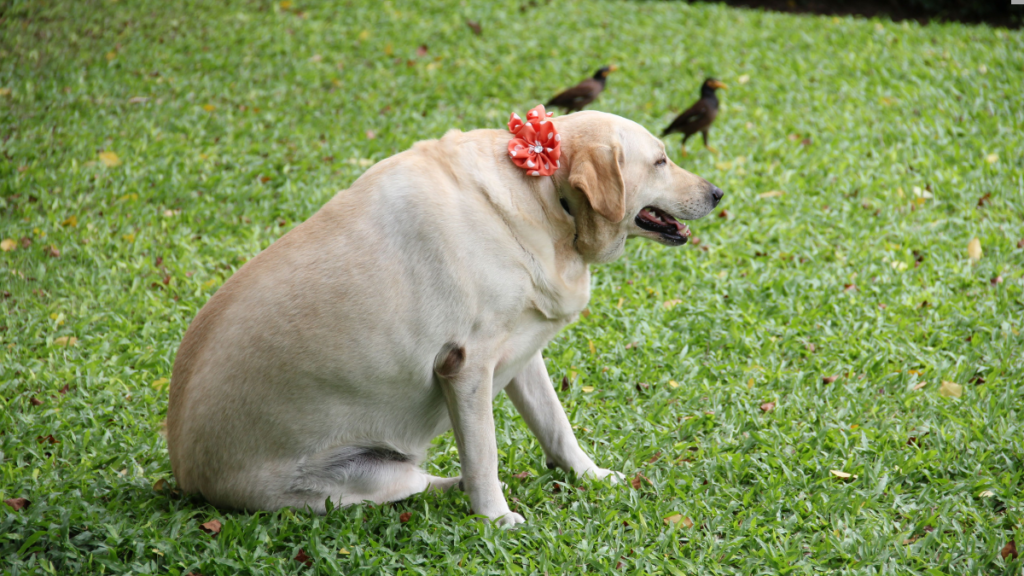
Dog obesity is one of the most common — and most overlooked — health problems for pets. Many dog owners don’t realize that a few extra pounds can seriously decrease both the quality and length of their dogs’ lives. How to prevent dog obesity? This is a question every responsible pet parent should be asking, because it is far easier, safer, and cheaper to prevent weight gain than to deal with obesity-related medical issues later on.
With the right information, habits, and mindset, you can help your dog live a long, active, and happy life.
What Is Dog Obesity?
Dog obesity occurs when a dog carries excess body fat that negatively impacts their health. Veterinarians generally consider a dog overweight if they are 10–20% heavier than their ideal weight, and obese if they are more than 20% over.
Obesity in dogs is a medical condition, not just a cosmetic issue. It can lead to a wide range of health problems and life-shortening complications, including:
-
Diabetes
-
Heart disease
-
Joint and mobility issues
-
Breathing problems
-
Liver disease
-
Reduced lifespan
Dogs are entirely dependent on their owners for food and exercise, whereas humans can choose to eat smaller portions or increase activity on their own. For this reason, obesity in dogs is almost always preventable.
Why Dog Obesity Is So Common
Several factors contribute to the rising rates of dog obesity today.
Overfeeding
Owners often overfeed their dogs without realizing it. Many estimate portion sizes by eye rather than measuring and follow feeding instructions on packaging without considering age, activity level, or metabolism.
Too Many Treats
Treats are a common way to show affection, but too many or oversized treats can quickly add up. Many dog treats are as calorie-dense as a regular meal.
Not Enough Exercise
Busy lifestyles, small living spaces, or older dogs often lead to reduced physical activity.
Feeding Human Food
Table scraps and leftovers are usually high in calories and often contain unhealthy amounts of fat and salt for dogs.
Neutering and Aging
A dog’s metabolism slows after neutering and again as they age. This means they need fewer calories than when they were younger.
How to Tell If Your Dog Is Overweight
You don’t need a scale to spot early signs of weight gain. A simple body condition check can help determine whether your dog is in a healthy range:
-
Ribs: Should be palpable without pressing hard.
-
Waist: Should be visible when viewed from above.
-
Abdominal tuck: Should be visible from the side, with the belly sloping upward behind the ribs.
-
Energy level: Overweight dogs often tire more easily and have less energy to play.
If you’re unsure, a veterinarian can assess your dog’s body condition score (BCS) and provide an ideal weight.
Prevention Is Better Than Cure
Once dogs become obese, weight loss can be slow and challenging. Even when weight is lost, there may be health complications to address first. Because of this, it is much better to prevent obesity before it starts than to try and correct it afterward.
Preventing dog obesity is about balance, consistency, and mindful habits — not fad diets or forcing your dog to run for hours on end.
Feeding: Nutrition for Optimal Weight
Proper nutrition is the foundation of obesity prevention. Healthy habits from an early age establish routines that can last a lifetime.
Choose Quality Dog Food
Select food that suits your dog’s life stage (puppy, adult, senior) and lists real protein as the first ingredient. Avoid foods with excessive fillers and low nutritional value.
Measure Your Dog’s Food
A common cause of weight gain is overfeeding without realizing it. Use a measuring cup or kitchen scale for each meal rather than estimating.
Use Feeding Guidelines as a Starting Point
Packaging guidelines are only suggestions. Adjust based on your dog’s:
-
Age
-
Breed
-
Activity level
-
Health status
Avoid Free Feeding
Leaving food out all day encourages overeating. Feed your dog at set times, usually one or two meals per day.
Treats: Smarter Is Better
Treats should make up no more than 10% of your dog’s daily calorie intake.
Healthier Treat Options:
-
Small pieces of carrot, cucumber, or apple (no seeds)
-
Low-calorie commercial treats
-
Breaking larger treats into smaller portions
Strategic Use of Treats:
Use treats primarily for training or positive reinforcement, rather than automatically rewarding your dog with food.
Physical Activity: Exercise and Fun
Physical exercise is vital for maintaining a healthy weight and supporting your dog’s mental and physical health.
Daily Walks
Most dogs need at least one walk per day, though many benefit from two. Duration and pace depend on breed and age.
Playtime
-
Fetch
-
Tug-of-war
-
Hide-and-seek
-
Puzzle toys
Mental stimulation also burns calories and helps prevent boredom-related snacking.
Breed and Age Differences
Different dogs have different needs.
Breeds Prone to Obesity
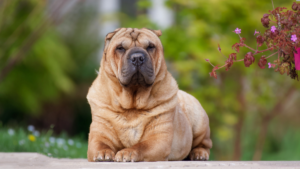
Labradors, Beagles, Bulldogs, and Pugs are more prone to weight gain and require closer monitoring.
Puppies
Puppies need adequate calories for growth, but overfeeding can establish unhealthy habits early.
Senior Dogs
Older dogs need fewer calories and gentler exercise. Adjust their nutrition and activity levels as they age.
The Importance of Routine
Routine helps regulate metabolism and behavior:
-
Feed at regular times
-
Stick to consistent portion sizes
-
Maintain a schedule of walks and play sessions
Routine also makes it easier to notice changes in appetite, weight, or activity levels.
Veterinary Care for Prevention
Vets are essential partners in obesity prevention:
-
Monitor your dog’s weight
-
Adjust dietary recommendations as your dog ages
-
Identify medical issues contributing to weight changes
-
Provide custom weight-management plans
Regular visits (at least annually) help detect early changes before they become serious problems.
Common Mistakes Dog Owners Make
Assuming a Chubby Dog is “Cute”
Many people think a slightly overweight dog is normal or cute. In reality, it’s just as unhealthy as it would be for a human.
Using Food as Primary Affection
Dogs don’t need food as a sign of love. Playtime, training, and grooming are healthier ways to bond.
Ignoring Slow Weight Gain
Weight gain often happens gradually and may go unnoticed until it becomes significant.
Emotional Feeding
Feeding your dog in response to emotions — yours or theirs — can quickly lead to obesity.
Inconsistent Household Habits
In homes with multiple caregivers, make sure everyone follows the same feeding and exercise routines.
Creating a Long-Term Plan
Preventing obesity is a lifetime commitment. As your dog ages or their activity level changes, their diet and exercise routine should adapt.
A long-term prevention plan includes:
-
Balanced nutrition
-
Regular physical activity
-
Portion control
-
Periodic weight checks
-
Adjustments for changing needs
Learning how to prevent dog obesity involves understanding that daily choices and small decisions make a bigger difference than dramatic, short-term changes.
Bonding Without Food
Feeding is not the only way to show love. Alternatives include:
-
Extra playtime
-
Grooming sessions
-
Training games
-
Quality time together
These activities strengthen your bond while keeping your dog healthy.
Signs Your Plan Is Working
Indicators of a successful weight management plan:
-
Healthy, stable weight
-
Higher energy levels
-
Better mobility
-
Shiny coat and healthy digestion
-
Longer, happier life
Small daily improvements accumulate over time into significant results.
Final Thoughts
Dog obesity is serious but entirely preventable. By being aware of the risks and making consistent, informed choices, you can help your dog live a long, active life. Learning how to prevent dog obesity is one of the most important steps in responsible pet care.
It’s not just about maintaining weight — it’s about giving your dog the gift of a longer, healthier, and happier life.
Save pin for later

- The Cutest Cat Breeds in the World - March 21, 2026
- Black Cat Names That Are as Mysterious and Beautiful as They Are - March 21, 2026
- Did You Know Your Dog Could Have Diabetes? - March 20, 2026