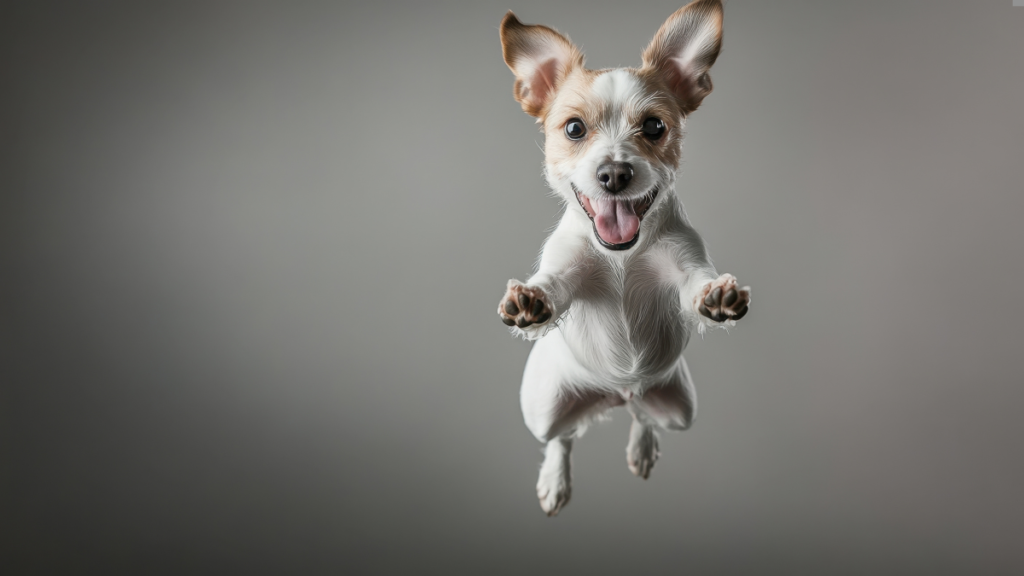
Does your dog seem to zip around your house without an off-switch? Are they always bouncing off the walls, regardless of how long and hard you’ve worked them? Do you find yourself googling how to calm down an energetic dog at every spare moment you have? You’re not alone. Trying to deal with high energy levels in dogs can be downright exhausting.
The most common response from well-intentioned dog owners is to add more miles to the daily walk. After all, how else are you supposed to calm down a high-energy dog? Tired dogs are well-behaved dogs, right?
Wrong.
What “High-Energy” Really Means in Dogs
If you don’t know what you’re working with, it can be tough to manage energy levels properly. Take a moment to consider whether your dog has any of the following factors:
Genetics / breed traits
High-drive breeds were developed to work alongside humans, solving problems and making decisions all day long.
Age / puppy adolescence
Not only do puppies have more energy than adult dogs, but they also lack impulse control.
Mental boredom
It’s possible for a dog to be physically tired while their brain is still running at 100 miles an hour.
Low or undeveloped self-regulation skills
Think of kids at a playground. Not every child runs around like a maniac—some sit quietly on the swing set and watch. Similarly, some dogs know how to entertain themselves calmly.
Stress or anxiety
Could your dog’s “energy” actually be fear or nervousness masked as excitement?
By throwing more running at your dog, you may be completely missing the real issue.
Why Over-Exercising Can Make High-Energy Dogs Worse
Humans are problem-solvers. So when your dog pulls and dances around like they’re on spaghetti legs during walks, it’s natural to think, My dog needs more exercise!
But here’s the problem: your dog adapts to that excitement.
How can you exercise your dog out of bad behavior when you’re accidentally reinforcing it every single time you go for a walk? Over time, your dog will:
Gain endurance
Quick movements and sprinting become the norm.
Increase arousal levels
Your dog stays hyped up all day long.
Lose the ability to self-settle
Chasing exhaustion teaches your dog they can’t relax without extreme measures.
Put extra pressure on growing joints
Over-exercising young puppies can lead to joint problems later in life.
Become frustrated or reactive
Imagine never being allowed to relax after excitement. Eventually, your dog will explode.
You end up with a dog that needs extreme amounts of exercise just to feel tired—and when you stop allowing them to run, chaos ensues.
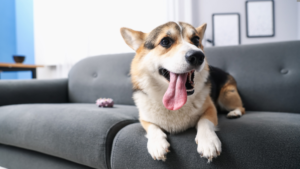
The Secret Ingredient Your Dog Needs: Mental and Emotional Stimulation
Most high-energy dogs don’t need more exercise. They need to be taught how to relax.
Mental exhaustion creates a deeper, more lasting sense of tiredness than physical exercise alone. Your dog’s brain thrives on:
-
Problem-solving games
-
Decision-making
-
Learning impulse control
-
Emotional self-regulation
-
Focus-based activities
Minutes spent mentally challenging your dog often equal hours of physical exertion.
Instead of running yourself ragged trying to keep up, teach your dog the joy of being calm.
Teach Your Dog How to Relax (Not Force Them to Sleep)
Relaxation is a learned behavior, and some dogs never pick it up naturally. This is where you come in.
Reward calm behavior
When your dog lies down on their own, softly praise them and offer a treat. Help them understand that calm is good.
Schedule downtime
Practice relaxing after play sessions instead of jumping straight into the next high-energy activity.
Place or mat training
Teach your dog that they can relax while life happens around them.
Not giving your dog attention 24/7 helps them learn that the world won’t fall apart when you’re busy.
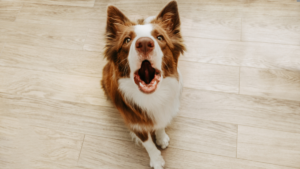
Replace Excessive Exercise With Brain Games
Would your dog rather run until they collapse or engage with you mentally? Neither—dogs prefer meaningful interaction with their humans.
Try incorporating:
Food puzzles and enrichment toys
Encourage problem-solving and slow down eating.
Sniffing and scent games
Using their nose is one of the most satisfying activities for dogs.
Short training sessions
Even five minutes of obedience or trick training can be incredibly tiring.
Interactive feeding
Use a snuffle mat or scatter food around for them to find.
Ever notice how dogs who spend ages sniffing one spot seem perfectly content afterward? Fetching a tennis ball nonstop isn’t always the best option.
Bring Structure to Your Dog’s Day
Many dogs crave consistency more than we realize. When a dog’s day is chaotic, their nervous system stays on high alert.
Structure includes:
-
Set feeding times
-
Scheduled walks
-
Regular training sessions
-
Predictable playtime
Leaving your dog unsure of when the next exciting thing will happen forces them to stay mentally “on” all the time. High-energy dogs often benefit from structure the most because it provides a sense of safety.
How to Teach Impulse Control
Impulse control allows your dog to pause and think before reacting. You can build it by:
-
Asking for a sit or down before exciting activities
-
Practicing waiting at doors and gates
-
Using delayed rewards
-
Teaching “leave it” and “stay”
Impulse control teaches your dog that patience pays off—and that life doesn’t have to happen instantly.
Exercise Still Matters… Sometimes
Dogs absolutely need exercise—but not endless, high-intensity workouts every single day.
Consider mixing things up:
-
Long, slow walks instead of constant speed
-
Off-leash exploration in safe areas
-
Play sessions with built-in breaks
Activities that engage both brain and body include:
-
Agility
-
Tracking
-
Search and rescue-style games
-
Rally obedience
Signs of Overstimulation vs. Contentment
If your dog seems unable to come down after activity, they may be overstimulated—not energized.
Watch for signs like:
-
Inability to settle
-
Nipping or mouthing when excited
-
Increased noise sensitivity
-
Escalating behavior after play
Adding more stimulation at this point only worsens the problem. When you see these signs, it’s time to calm things down—not throw the ball again.
How to Help Your Dog Recover After Exercise
Recovery is the ability to return to calm after excitement. Many dogs need help learning this skill.
Support recovery by:
-
Ending play before your dog becomes frantic
-
Transitioning into a calm routine after activity
-
Offering chew toys or quiet enrichment
-
Keeping the environment peaceful during rest
Help your dog come down from stimulation, and you won’t need to exhaust them to achieve calm.
Remember: puppies have short attention spans and should not exercise for long periods. Respect their age and development.
Your Dog’s Breed Can Offer Clues (Not Rules)
Understanding breed tendencies can help—but they’re not rigid requirements.
The American Kennel Club notes that breed standards describe ideal traits, not mandatory behaviors. A working breed doesn’t need to “work” nonstop to be happy.
Individual dogs vary widely.
High Energy Isn’t Always Just High Energy
Sometimes what looks like boundless energy is actually anxiety. Stress keeps dogs in a vigilant state, often expressed through pacing and restlessness.
Common stressors include:
-
Unpredictable routines
-
Loud environments
-
Lack of a safe resting space
-
Accidentally reinforced behavior
Stress masquerades as energy—and exercise alone won’t fix it.
Balance Is the Goal, Exhaustion Is the Enemy
Ask yourself: do you want a dog that’s exhausted, or one that’s fulfilled?
Teaching calm behaviors allows your dog to relax naturally instead of crashing after burnout. Exercise still matters—but balance matters more.
Final Thoughts
Managing a high-energy dog doesn’t mean exhausting yourself or your pup. It means working smarter.
Remember:
-
Physical exercise isn’t the only form of enrichment
-
Mental stimulation is often more effective than intense activity
-
Calmness is a learned skill
-
Structure creates security
-
Not all exercise is equal
When you shift your dog’s environment, routine, and expectations, improvement follows. High-energy dogs aren’t broken—they just need guidance.
With the right balance, even the most energetic dog can live a calm, fulfilling life—and so can you.
Save pin for later


- The Cutest Cat Breeds in the World - March 21, 2026
- Black Cat Names That Are as Mysterious and Beautiful as They Are - March 21, 2026
- Did You Know Your Dog Could Have Diabetes? - March 20, 2026