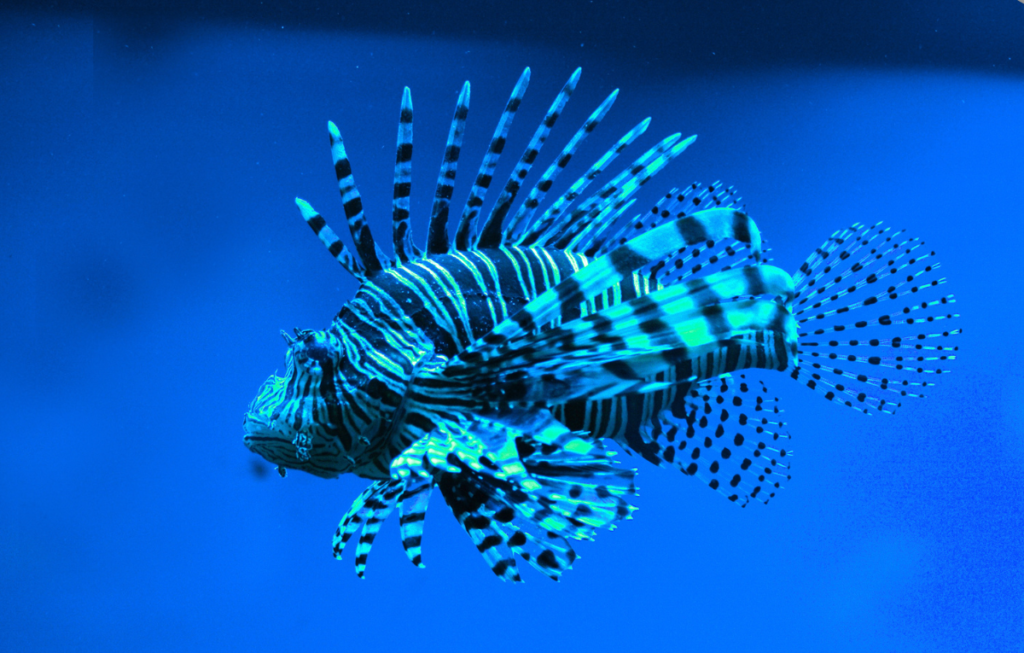
Saltwater aquariums can be absolutely mesmerizing. I think everyone who’s stood in front of one of these tanks staring entranced at the fish knows exactly what I mean. Colors, swirls, flashes…it just sucks you in. When I set up my first saltwater tank I was just as nervous as I was excited. How was I going to learn how to keep ocean fish healthy in my own home?
I’m here to tell you that it doesn’t take nearly as long as you think! Sure, there is a lot that goes into marine aquarium husbandry, but once you understand the basics you’ll be hooked just like the rest of us.
So without further ado, here’s your complete guide to keeping ocean fish healthy in your own aquarium.
What Makes Saltwater Fish Different?
Saltwater fish need things like stable water temperatures, carefully controlled salinity levels, and certain chemical makeups in order to survive and thrive. This wasn’t arbitrarily decided — your aquarium mimics the natural environment these fish evolved in. Stability became the name of the game in the ocean. There are few places on earth where temperatures, salinity, and water chemistry fluctuate as little as they do in the ocean. THAT is what you are trying to replicate in your home.
Freshwater fish are hardier because they live in environments (rivers, lakes, ponds) that change all the time. In the wild, your marine fish would be completely fine going weeks without anything changing in their environment. When you take that stability away, they become much more susceptible to sudden changes.
If the water temp in your tank spikes or drops suddenly, if you see an ammonia spike after a water change, or if your salt levels drop, your fish will know it. Unlike many freshwater species, marine fish will get stressed out quickly when their environment changes, and when fish get stressed, they get sick.
Alright, that’s enough of the big picture. Let’s talk specifics.
Setting up Your Tank Properly
If there’s one mistake I see beginners make (including myself when I first started) it’s trying to rush the process. You can’t just dump fish in an undercycled tank and hope for the best. It’s important to take your time and do things right from the start.
Here’s what you need to know to set up your saltwater aquarium correctly.
1.Start with the Right Size Tank
This advice holds true for freshwater aquariums as well, but it’s even more important when keeping saltwater fish. A larger tank is more stable than a small one. More water equals more forgiveness. I recommend a minimum of 30 gallons when keeping saltwater fish, but larger is always better. Jumping straight into a 55-gallon setup will give you a much better experience and more room for error.
2.Get a Protein Skimmer
Protein skimmers are one of those pieces of equipment you learn about early on and think “yeah, that sounds nice” without realizing just how important they are. A skimmer keeps dissolved waste out of your tank by literally skimming it from the surface of the water. My first saltwater tank didn’t have one and I regretted it almost instantly. Get a good skimmer. Don’t cheap out.
3.Buy the Correct Amount of Live Rock
Saltwater tank décor serves a purpose beyond just “looking cool,” especially when it comes to live rock. Live rock is porous rock that comes from the ocean and is covered in beneficial bacteria. Plan on getting at least one pound of live rock for every gallon of water you have in your tank. Use it to create caves and crannies for your fish to explore and hide, but make sure you arrange it in a way that promotes good water flow across all surfaces.
4.Take Your Time Cycling the Tank
Patience! You’ve heard that from me before and you’ll hear it plenty more as you get deeper into the hobby. When starting a new tank, you need to allow plenty of time for it to cycle before adding fish. Cycling refers to the nitrogen cycle and establishes beneficial bacteria in your tank that will convert toxic ammonia to nitrite, then to the far less harmful nitrate. This process can take anywhere from four to eight weeks. I know, forever, right? Try and resist the urge to get fish right away — I promise they’ll be there waiting for you when it’s done.
Saltwater Parameters 101
Once you get your tank cycled and running, you’re officially a marine fish keeper! The hard part is over…right?
Kinda. With saltwater aquariums, your water quality is your responsibility. If you want to learn how to keep ocean fish happy and healthy long-term, you need to learn about specific water parameters and how to keep them constant from day to day.
Got it. Let’s do this.
5.Keep Salinity Levels Constant
Saltwater fish need a certain concentration of salt in order to survive. This is measured as “specific gravity” and you’ll need a hydrometer or refractometer to keep track of it. For a fish-only tank, you’re looking for a specific gravity between 1.020 and 1.025. When topping off evaporated water, use only RO (reverse osmosis) water. Salt doesn’t evaporate with the water, so only add fresh water to bring the level back up.
6.Watch Water Temperature Closely
The ideal temperature for most tropical saltwater fish is between 75°F and 80°F (24°C and 27°C). Get a quality aquarium heater and a thermometer to double-check that your readings are accurate. Temperature swings can be very hard on fish, so try and avoid moving the dial up or down too quickly.
7.Test for pH Levels Regularly
The ideal pH range for saltwater aquariums is between 8.1 and 8.4. pH swings lower than that can really stress fish out and cause immune deficiencies. Performing regular water changes and ensuring your tank has enough alkalinity will help keep pH levels stable.
8.Don’t Forget About Ammonia, Nitrite, and Nitrate Levels
This is obvious to anyone who’s cycled a tank, but ammonia and nitrite should ALWAYS read zero. Nitrate is not as toxic to fish but should be kept below 20 ppm in a fish-only tank. Regular water changes are the best way to keep your nitrate levels in check. I shoot for about a 10 to 15 percent water change every one to two weeks.
Feeding Ocean Fish
Did you know that not all ocean fish eat the same thing? Some are herbivores, some are carnivores, and some are omnivores. Feeding your marine fish properly is important, and quite frankly, it’s easier than you think.
9.Know What Your Fish Eat
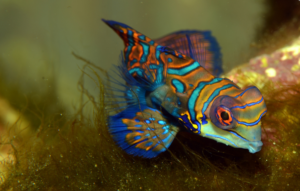
Take some time to research what your fish eat in the wild and make sure you can provide that for them in your tank. Mangrove rivulus are mostly herbivorous, while butterflyfish will eat pretty much anything you give them. Clownfish are omnivores and very easy to feed. Mandarin dragonets, on the other hand, are one of the more challenging fish to feed because they rely almost exclusively on live copepods.
10.Feed Small Amounts Twice Per Day
Again, this applies to freshwater fish as well, but overfeeding is one of the biggest mistakes made by aquarium hobbyists. Uneaten food decomposes quickly and can lead to ammonia spikes. I like to feed my fish two small meals per day consisting of only as much food as they can consume in two to three minutes.
11.Provide a Varied Diet
So you bought some fish that eat fish flakes. Congratulations — you can now diversify their diet! I try and mix up what I feed my fish as much as possible. Pellets, frozen mysis shrimp, frozen brine shrimp, and seaweed sheets are all staples in my kitchen. Providing variety can help promote a stronger immune system and more vibrant colors.
Diseases and Aquarium Stress
Here’s a secret: fish get stressed out too. Just like people, when your fish are stressed out, they become more susceptible to illness.
12.Quarantine All New Fish for at LEAST 2–4 Weeks
I cannot stress this one enough. ANY new fish that comes into your house should be kept in a quarantine tank for a minimum of two weeks before entering your display tank. Saltwater fish are prone to ich (Cryptocaryon irritans) just like their freshwater cousins and can easily spread it to the rest of your tank. If a quarantine tank sounds like too much work, consider setting up a hospital tank instead. Both serve the same purpose of allowing you to treat new fish before they can infect your entire tank.
13.Look for Stress Early On
The sooner you catch something, the easier it is to treat. Make a habit of looking for signs of disease or stress in your fish whenever you feed them or clean the tank. Look for: loss of appetite, darting, clamped fins, odd swimming patterns, white spots on the body, excess scratching against rocks and décor, and rapid gill movement.
14.Avoid Overstocking the Tank
More fish means more waste, which means a bigger filter is needed. Sounds simple enough, but every additional fish you add to the tank causes more strain on your ability to maintain clean water parameters. Crowded fish are also more stressed and more aggressive, which leads to sick fish.
Going the Distance
Trust me, I know how tempting it can be to want to add that cool new fish to your tank right now. But tempering that instinct will help you in the long run.
Adding new livestock before your aquarium has properly stabilized can set you back weeks, sometimes months. Learn patience! The ocean didn’t become home to thousands of fish species overnight, and your aquarium won’t either.
Test your water once a week, change it regularly, and research EVERYTHING that enters your tank. Knowledge is the most important tool you can have when learning how to keep ocean fish healthy.
FAQ
How often should I change water in my saltwater aquarium?
10 to 15 percent water changes every one to two weeks is ideal.
Can I keep saltwater fish in a regular fish tank?
No. Saltwater aquariums require special equipment you won’t find in a standard freshwater tank — things like a protein skimmer, certain types of lighting (if you add corals), and specific water parameters.
What are some easy beginner fish?
Clownfish, damselfish, and firefish gobies are some of the hardiest and most beginner-friendly saltwater fish you can keep. They can tolerate small fluctuations in water parameters better than most fish.
How long should it take to cycle a saltwater aquarium?
Four to eight weeks. You can kick-start the cycle by adding live rock and a quality bacterial additive, but don’t try to rush it.
Why are my saltwater fish hiding all the time?
Saltwater fish are naturally timid. It’s not uncommon for newly acquired fish to hide for weeks at a time until they feel comfortable. If your fish are suddenly spending all of their time burrowed in a rock bed with just their mouths peeking out, look for changes in water parameters. Sick fish often hide.
Conclusion
Maintaining a saltwater aquarium is hard work. But that doesn’t mean it isn’t worth it!
Never forget that every beautiful creature in your tank depends on YOU to keep them alive. Feed them, clean up after them, watch them, and learn as much as you can about their needs and care. They may not be able to thank you in the traditional sense, but I promise you’ll know when you’re doing a good job.
Once you get the hang of it, you’ll find yourself staring at your new aquarium every single day, just itching to get home from work and let your fish see you. It’s magical. Take care of them and they’ll do the same for you.
Save pin for later

- How to Make a DIY Dog Bed That Is Cozy and Stylish - March 18, 2026
- How to Keep Ocean Fish Healthy in a Home Aquarium - March 18, 2026
- Did You Know Did You Know Butterflies Taste With Their Feet? - March 18, 2026