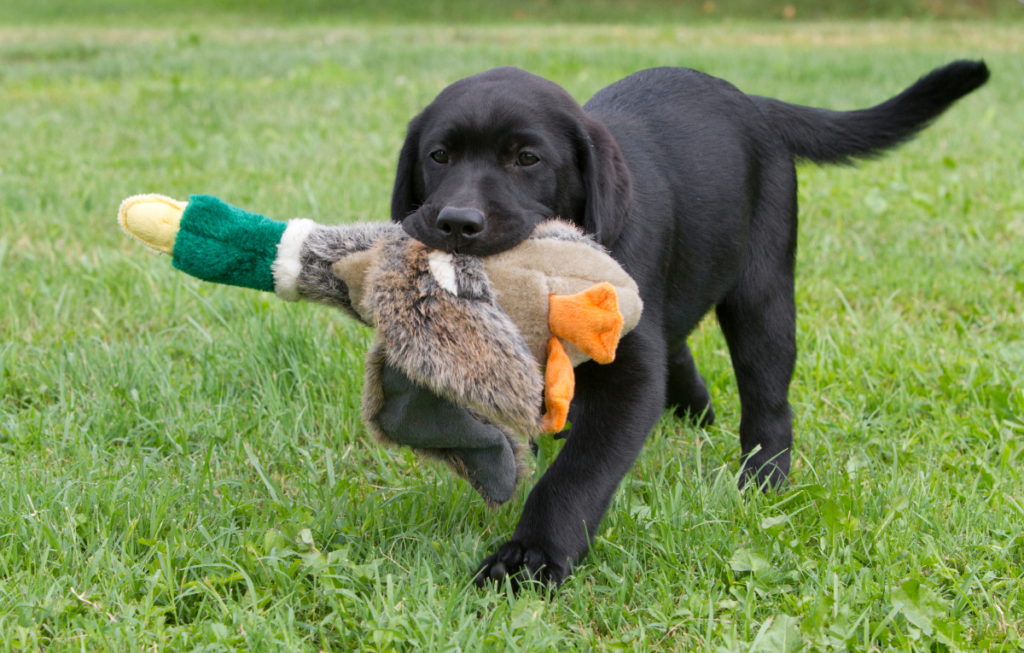
If you’ve owned a Labrador retriever in your life, you already know how energetic these dogs can be. I know my Labs have kept me up plenty of nights over the years, running laps around the house when they couldn’t sleep. Let me save you some trouble: mental exercise for your Labrador is absolutely essential. Labs rank amongst the smartest dog breeds in the world. That powerful brain of theirs needs exercise just as much as their bodies do. When they’re pent up mentally, you’ll notice behavior problems like chewing, excess barking, and an inability to relax.
Thankfully, mental stimulation can come in many different forms. Some you likely already do, some might require buying a new toy or two, and others you can sort of DIY. Let’s dive in.
Does Your Labrador Need Mental Stimulation?
You might think exercising your Labrador’s body would be enough. After all, Labradors are one of the most athletic dog breeds around. They need plenty of physical activity, and rightfully so.
But consider this — your dog could run around the house for hours and still destroy your couch if their brain hasn’t been exercised. Dogs get mentally tired just like we do. After a good mental workout, your pup will probably nap more contentedly than if you just let them run themselves into the ground.
Labs were bred to work. Retrieving game birds. Assisting hunters. Eventually becoming therapy dogs and search-and-rescue dogs. The drive to work is still there in your average household Lab. If they’re not working, they will distract themselves. Sometimes that means anxiety, and often that means chewing on your favorite pair of shoes.
Training Up Is Mental Exercise Too
If you’re going to do one thing from this entire article, please let it be this section. Training your dog is one of the best ways to mentally stimulate them — not just when your dog is a puppy, but through routine training sessions throughout their life.
Did you know you can continue to teach an old dog new tricks? Labs want to make you happy, and they love getting to learn new things. Sure, your dog probably knows the basics: sit, stay, come, and heel. But you can teach them way more than that!
Teaching your dog tricks is not only mentally stimulating for your dog, but it strengthens your bond as well. Dogs crave structure and our praise when they do something right. Learning tricks allows them the mental challenge of figuring out what you want them to do, while rewarding them when they get it right.
- Teach your Lab the names of their toys. Then, when you’re playing, ask them to fetch a specific toy.
- Train your Lab to tidy up. Choose a basket or large container to keep their toys in, and teach them to put their toys away.
- Scent discrimination is another fun game. Choose an object for your Lab to find by smell.
- Don’t stop there! Advance to complicated obedience training or trick training. Consider working towards your dog’s Canine Good Citizen certification.
Mix up what you’re teaching your dog during these training sessions, and don’t make them too long. About ten to fifteen minutes is ideal. Any dog will lose focus eventually, and you don’t want them to associate training with failure.

Puzzle Toys and Enrichment Feeders
Jumping straight to toy recommendations is always a slippery slope, because you should pick toys that YOUR dog will engage with. With that being said, if you aren’t using puzzle toys or feeders, this could be the easiest way to introduce more mental stimulation into your Labrador’s day.
Puzzle toys come in all different shapes and sizes — from boards with sliders and hidden compartments to treat balls that your dog must roll around with their nose. There’s even something as simple as stuffing a Kong with some of your dog’s favorite foods.
Snuffle mats are another great option. You’ve likely seen these around; they’re basically carpets for your dog’s nose. Hide your dog’s kibble in the folds of the mat and let them sniff it out.
Food enrichment isn’t just great because it makes mealtimes more exciting. Your dog has to think in order to eat when food is hidden. A tired brain means a dog that will lay down for a nap once the puzzle is solved.
Rotate your dog’s toys too. They’re smart dogs, and once they figure out how a puzzle toy works, it’s no longer challenging. Keep it difficult!
Nose Work / Scent Games
Speaking of sniffing things out — a Lab’s nose is a mighty tool. Most pet owners never really utilize their dog’s sense of smell. Did you know scent work is one of the best ways to mentally tire out your Lab?
You can start small by hiding treats around your house or yard for your dog to find. Once they get the idea, start hiding the treats in harder spots! Challenge your pup by hiding treats behind furniture or under blankets.
You can take this concept even further by doing actual nose work training. Pick up some scent sheets with unique scents on them like birch, anise, or clove. Teach your dog to identify that specific smell anywhere you designate them to search.

Interactive Games
How much mental activity does your Labrador get during play?
Sure, fetch is wonderful exercise and will tire out your dog physically, but your dog isn’t thinking very hard when they’re playing fetch. Add a mental component to your dog’s playtime!
One of my personal favorites is hide and seek. Have your dog sit and stay while you hide, then call your dog over to find you. It’s great exercise for their mind and body while also improving their recall. You can even use their favorite toy — place it somewhere out of sight and have your dog find it.
Flirt poles are a sort of oversized cat toy you wave around in front of your dog. Your dog will have to figure out where you will move next and resist the urge to snatch the “birdy” out of the air. These are physical games with a pretty hefty thinking element involved too.
Try simple games like “which hand?” Put a treat in one of your fists and have your dog choose the correct hand to get the prize.
New Places and Things to Sniff
Maybe your Lab doesn’t need more structured activities. Maybe they just need a new toy, or new places to explore. Taking your dog to new environments is an easy way to mentally tire them out — new smells, new people, new dogs.
Try changing your dog’s walking route. Go to a pet store your dog has never been to before. Try a new park. Let your dog play with new dogs.
Expose your pup to all types of surfaces: grass, tile, hardwood, sand. Every new experience your dog has forces their brain to pay attention and take notes.
Give Them Responsibilities
This kind of all circles back to them working, doesn’t it? Labs love to feel like they have a purpose. Sure, you can always sign your dog up for competitive dog sports, but that’s a lot of work most of us don’t have time for. Plus, you can provide them with responsibilities at home.
Have your dog carry the mail in from the mailbox. Bring you specific items when asked. Let your dog alert you to the timer dinging on the oven. Sure, they’re still tricks — but to a working-breed dog, they’re jobs. And your Labrador will eat that up.
Conclusion
Don’t forget to just have fun with your dog. But if you notice your Labrador acting up or being extra restless, start working more mental exercises into their routine. You don’t have to completely change your life to keep your dog entertained. Simply be intentional about giving your dog mental exercise.
Maybe that’s 10 minutes of training this week, stuffing a Kong for them to eat breakfast with, or trying a new walking route on the weekend. These little things add up to a happier, less destructive dog.
Before you know it, you’ll wonder how you ever survived without mentally exhausting your Lab. Your pup will thank you with plenty of cuddles and afternoon naps.
Save pin for later

- 15 Genius Dog Owner Hacks You Wish You Knew Sooner - March 12, 2026
- How Do You Choose the Right Dog Breed? - March 12, 2026
- How to Choose the Best Dog Food for Your Dog’s Age - March 12, 2026