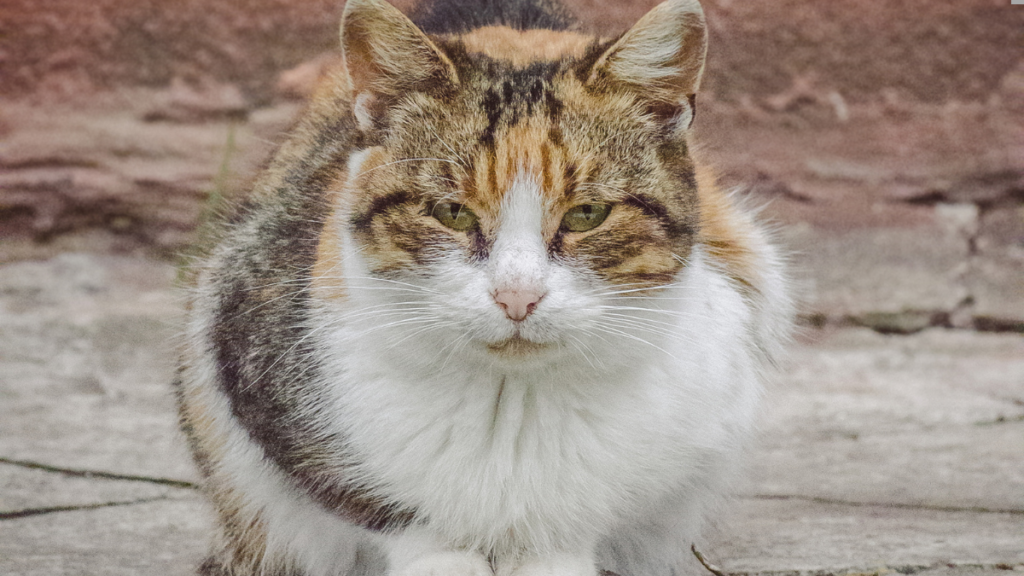
Cat sleep can seem like one of those things that just happens on its own. After all, many cats are famous for being heavy sleepers. In fact, most cats sleep an average of 12 to 16 hours a day. In a world where people are obsessed with getting good sleep, you might be wondering how to improve cat sleep.
The reality is that sleep is a very important part of your feline friend’s health and well-being. But just like humans, sometimes your cat’s sleep may not be as good as it could or should be. Stress, poor environments, anxiety, and even medical issues can all affect how much and how well your cat sleeps.
How Do Cats Sleep?
Before we dive into the most important tips for improving cat sleep, it’s useful to understand how cats sleep and how feline slumber differs from human sleep.
Cats are a crepuscular species, which means they are most active during dawn and dusk. This behavior is a result of natural selection from their wild ancestors, as being active during these hours gave cats the greatest chance of catching prey while avoiding predators.
Cat sleep is also structured differently from human sleep. Humans typically enjoy long stretches of deep sleep and REM (dream) sleep, while cats alternate between light and deep sleep in 20- to 30-minute cycles. During light sleep, cats remain semi-alert and can wake easily. Deep sleep, on the other hand, is restorative and helps maintain both physical health and brain function. Cats also experience REM sleep, but in shorter bursts than humans.
Understanding these differences is key to learning how to improve cat sleep effectively.
Signs That Your Cat Isn’t Sleeping Well
Not all cats who sleep frequently are necessarily getting restful sleep. Look for these signs that your cat’s sleep may need improvement:
-
Restlessness at Night – If your cat frequently moves around, meows excessively, or seems overly active at night, it may indicate a sleep problem.
-
Excessive Daytime Napping – While cats naturally nap during the day, unusually long naps or patterns that deviate from your cat’s norm could signal a sleep issue.
-
Behavioral Changes – Cats that do not sleep enough may become irritable, anxious, or even aggressive.
-
Physical Symptoms – Poor sleep can affect your cat’s health, weakening the immune system and causing digestive issues, weight changes, or a dull coat.
Recognizing these signs early allows you to take steps to improve cat sleep and overall well-being.
Tips on How to Improve Cat Sleep
1. Create a Comfortable Environment
The number one way to improve cat sleep is to provide a place where your cat feels safe and comfortable. Cats have definite preferences for how and where they sleep.
-
Provide a Safe, Quiet Space – Cats need a sense of security while sleeping. Choose a quiet, low-traffic area for your cat’s bed, avoiding doorways or spaces where pets and family members frequently pass. A cat bed in a quiet corner, or even a simple cat box, can provide a secure resting place.
-
Temperature and Lighting – Cats prefer warm, slightly dim areas. Avoid drafty or overly bright locations. A spot that receives gentle indirect sunlight during the day can be ideal.
-
Soft, Supportive Bedding – A plush bed is far more inviting than the floor. Beds with high sides or enclosed spaces can make your cat feel even safer. Adding blankets or a small pillow can make the area even more appealing.
2. Establish a Consistent Routine
Cats thrive on routine. A regular schedule for feeding, play, and sleep can signal to your cat when it’s time to rest.
-
Feeding – Set consistent meal times to help regulate energy levels. A light snack before bedtime can serve as a routine cue that it’s time to sleep.
-
Playtime – Evening play sessions allow your cat to release energy before bed. Use toys that encourage stalking, pouncing, and hunting, such as feather wands or laser pointers. This satisfies hunting instincts while naturally tiring them out.
-
Quiet Time – After play, create a calm environment with dim lighting and soft, soothing sounds. Gentle music or white noise can mask sudden noises that might wake your cat.
A predictable routine helps your cat regulate its sleep cycles and energy levels naturally.
3. Mental and Physical Stimulation
Cats who are mentally or physically under-stimulated often have difficulty sleeping. Boredom, anxiety, or excess energy can all disrupt sleep.
-
Interactive Toys – Puzzle feeders and interactive toys engage your cat’s mind and keep them occupied.
-
Exercise – Regular, active play sessions satisfy your cat’s hunting instincts and burn off energy.
-
Environmental Enrichment – Window perches, climbing shelves, and scratching posts provide stimulation and a more satisfying environment.
Ensuring your cat has plenty to do during the day helps promote deeper, more restful sleep at night.
4. Dietary Adjustments
Diet can significantly impact cat sleep. Certain foods or feeding schedules can either help or hinder rest.
-
High-Protein Diet – As obligate carnivores, cats benefit from a high-protein diet that maintains steady energy levels.
-
Meal Timing – Avoid feeding large meals late at night. Heavy meals can cause digestive discomfort and interfere with sleep. A small evening snack is a better option.
-
Avoid Stimulants – Some treats or foods with additives can increase hyperactivity. Stick to natural foods to encourage calm behavior.

5. Reduce Stress and Anxiety
Stress is a common cause of poor sleep in cats. Loud noises, changes in routine, or conflicts with other pets can contribute to anxiety.
-
Safe Spaces – Provide areas where your cat can retreat and feel secure.
-
Pheromone Diffusers – These can create a calming environment for anxious cats.
-
Maintain Routines – Consistency reduces stress and helps your cat feel safe.
-
Gentle Interaction – Respect your cat’s boundaries. Avoid forcing affection or play, as this can increase stress.
A calm, secure environment encourages deeper, uninterrupted sleep.
6. Monitor Health Issues
Sometimes sleep problems are linked to underlying health issues. Cats are excellent at hiding pain, so changes in sleep can be an early indicator. Common conditions affecting sleep include:
-
Arthritis or joint pain
-
Dental problems
-
Hyperthyroidism or diabetes
Regular veterinary checkups are essential. If your cat is restless or behaving unusually, consult a vet to rule out medical causes.
7. Manage Multi-Cat Households
In households with multiple cats, competition and disturbances can disrupt sleep.
-
Provide separate sleeping areas, food and water bowls, and litter boxes.
-
Spend individual time with each cat to ensure no one is bullied or neglected.
-
Observe interactions and intervene if conflicts arise.
A harmonious environment improves sleep quality for all cats in the home.
8. Establish Nighttime Rituals
Cats respond well to simple, consistent rituals that signal it’s time to sleep.
-
Evening Play Session – A short session expends energy before settling down.
-
Calm Environment – Dim lights and play soft music or white noise.
-
Gentle Petting – A brief period of cuddling or petting can reinforce relaxation.
Consistency helps your cat associate these cues with bedtime, improving sleep over time.
9. Seek Veterinary Assistance
Sometimes professional guidance is necessary, especially if:
-
There is a sudden change in your cat’s sleeping habits.
-
Your cat shows signs of pain or illness.
-
Anxiety or behavioral issues persist.
Veterinarians can identify underlying causes and recommend treatments, supplements, or behavior strategies to improve cat sleep.
Conclusion
Improving cat sleep involves understanding feline behavior, creating a comfortable environment, establishing routines, and addressing both physical and emotional needs. By combining these strategies, you can help your cat get the rest it needs, leading to a healthier, happier, and more affectionate companion.
Whether it’s a cozy bed, interactive play, or consistent routines, every step you take to improve cat sleep benefits your feline friend and enhances their overall quality of life.
Save pin for later

- The Cutest Cat Breeds in the World - March 21, 2026
- Black Cat Names That Are as Mysterious and Beautiful as They Are - March 21, 2026
- Did You Know Your Dog Could Have Diabetes? - March 20, 2026