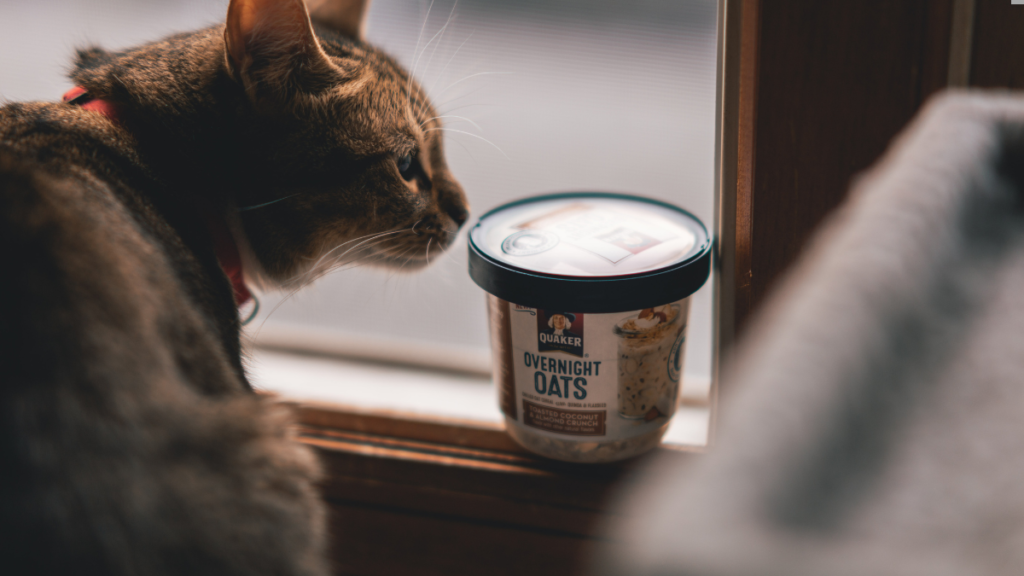
Cats are so much more than simple pets. They are part of our families, providing companionship and unconditional love. Some even call them their furry little therapists.
With so much love given, it’s only natural that we want our kitties to live long, healthy lives. Nutrition for cats is critical to their health and well-being, supplying them with energy, mental clarity, a shiny coat, and a strong immune system.
Many cat owners unknowingly make common mistakes when feeding their cats, which can lead to long-term health issues.Whether you have a kitten, an adult cat, or a senior feline, this guide has you covered. Let’s learn how to feed a happy, healthy cat together!

Cat Nutrition: Understanding Your Cat’s Nutritional Needs
Before diving into how to improve cat nutrition, it’s important to understand what your cat actually needs in their diet. Cats are obligate carnivores, meaning their bodies are biologically designed to get most of their nutrients from animal sources—unlike omnivores such as dogs. Cats require protein and specific nutrients that are only naturally found in meat. To help you better understand, here’s a list of essential nutritional needs for cats:
1. High-Quality Protein
Protein is extremely important for cats. They need amino acids such as taurine, arginine, and methionine for heart function, vision, and overall growth. A lack of taurine, for example, can lead to heart disease and blindness in cats. Make sure the first ingredient in your cat’s food is a real meat source—not by-products or fillers.
2. Healthy Fats
Fats provide energy, support brain function, and maintain a shiny, healthy coat. Omega-3 fatty acids help reduce inflammation in the body, while Omega-6 fatty acids are essential for skin and coat health. A balanced ratio of both is key to optimal health.
3. Carbohydrates in Moderation
Cats don’t require carbohydrates in large amounts. Many cat foods are filled with fillers like corn, wheat, or soy, which can contribute to obesity and digestive issues. Focus on high-protein meals first and keep carbohydrate intake limited.
4. Vitamins and Minerals
Vitamins and minerals are essential for immune support, bone health, and normal metabolic function. Key nutrients include vitamin A, vitamin D, calcium, phosphorus, and iron. While most commercial cat foods are fortified with these nutrients, homemade or raw diets often require supplementation to prevent deficiencies.
Signs That Your Cat Needs a Nutrition Upgrade
Before you make changes, it’s important to recognize signs that your cat’s diet may not be meeting their nutritional needs. Some of these signs are similar to what you might observe in humans. Look for:
-
Weight changes: Rapid weight gain or loss can indicate an imbalance of nutrients.
-
Dull or brittle fur: A lack of essential fatty acids may result in a dry, dull coat.
-
Low energy levels: Lethargy can indicate insufficient protein or other nutrients.
-
Digestive issues: Diarrhea, constipation, or vomiting may point to food intolerances or sensitivities.
-
Behavioral changes: Appetite fluctuations or irritability can sometimes be linked to nutritional deficiencies.
By paying attention to these signs, you can determine if your cat’s diet needs improvement and take action accordingly.
Choosing the Right Cat Food
One of the most important steps in improving cat nutrition is selecting the right cat food. With so many options available, it can be overwhelming. Here’s a breakdown of the main types:
1. Commercial Wet Food
Wet food is high in moisture, which helps keep cats hydrated and closely mimics a cat’s natural diet. Look for products with high-quality protein and minimal fillers. Avoid foods with artificial preservatives, colors, or by-products.
2. Commercial Dry Food
Dry food is convenient and can aid dental health to some extent, but many formulas are high in carbohydrates. If you feed dry food, choose one where a high-protein source is listed first and ensure your cat stays hydrated. Mixing wet and dry food is often a practical approach.
3. Raw Diets
Raw diets attempt to replicate what cats would eat in the wild. While they can provide excellent nutrition, they carry risks such as bacterial contamination and nutrient imbalances if not carefully prepared. Always consult your veterinarian or a feline nutritionist before transitioning to a raw diet.
4. Homemade Cooked Meals
Homemade meals allow you to control every ingredient, but achieving the correct nutrient balance is challenging. Most recipes require supplementation with taurine, calcium, and certain vitamins. Work with a veterinarian or feline nutritionist to ensure a safe and complete homemade diet.
Tips for Improving Cat Nutrition
In addition to choosing the right food, there are several feeding strategies and practices that can enhance your cat’s nutrition:
Feed Small, Frequent Meals
Cats are natural hunters and thrive on multiple small meals per day. Frequent feeding supports digestion, prevents overeating, and maintains steady energy levels.
Rotate Protein Sources
Variety is important. Rotating proteins helps prevent food allergies, provides a more balanced nutrient intake, and keeps meals interesting.
Include Hydration
Cats aren’t always great at drinking water. Wet food helps, but you can also encourage hydration by providing water fountains or adding water or low-sodium broth to meals. Hydration is vital for kidney health and overall well-being.
Avoid Human Food Hazards
Certain human foods are toxic to cats, including onions, garlic, chocolate, grapes, and alcohol. Never feed these, even as a treat, unless your veterinarian specifically recommends it.
Use Supplements Wisely
Supplements can support nutrition but should only be used when necessary. Omega-3 fatty acids promote coat and joint health, probiotics support digestion, and taurine is essential for heart and eye health. Always consult your veterinarian before adding supplements.
Monitor Weight and Health
Regularly monitoring your cat’s weight and overall health is essential. Obesity is one of the most common nutrition-related issues in cats and can lead to serious health problems. Work with your veterinarian if you notice any changes in weight or behavior.
Special Nutritional Needs by Life Stage
Cats’ nutritional requirements change as they age. Tailoring their diet to life stage is a key part of improving cat nutrition:
Kittens
Kittens grow rapidly and need high levels of protein, fat, and calories. Choose kitten-specific formulas that support brain development, bone growth, and immune function.
Adult Cats
Adult cats need balanced nutrition to maintain health and prevent weight gain. Diets high in protein, moderate in fat, and low in carbohydrates are ideal.
Senior Cats
Senior cats may require diets lower in calories but higher in nutrients that support joint health, kidney function, and immunity. Wet food is beneficial for hydration, and omega-3 fatty acids can help reduce inflammation.

Common Mistakes to Avoid
Even caring owners can make mistakes that negatively impact their cat’s nutrition. Watch out for:
-
Overfeeding: Monitor portions to prevent obesity.
-
Low-quality ingredients: Avoid cheap fillers and by-products.
-
Dry food only: Cats need moisture, which dry food alone cannot provide.
-
Ignoring life stage differences: Nutritional needs vary by age.
-
Abrupt diet changes: Transition to new food gradually over 7–10 days to prevent digestive upset.
Work With Your Veterinarian
One of the most important aspects of improving cat nutrition is working closely with your veterinarian. They can:
-
Recommend the best diet based on your cat’s age, weight, and health status.
-
Identify deficiencies or allergies.
-
Suggest supplements if needed.
-
Help design safe homemade or raw diet plans.
Regular veterinary guidance ensures your efforts to improve cat nutrition are effective and safe.
Conclusion
Nutrition is one of the most impactful ways to support your cat’s health and longevity. By understanding their nutritional needs and tailoring a feeding strategy accordingly, you’re giving your cat the foundation for a strong, energetic, and happy life.
Remember, there’s no one-size-fits-all diet for cats. Pay attention to your cat’s body condition, coat, energy levels, and digestion, and adjust their nutrition as needed. By making informed choices today, you can enjoy many years of purrs, playfulness, and companionship from a healthy, well-fed feline friend.
Save pin for later

- Best Dog Crate Picks for Dog Owners - March 13, 2026
- Top 10 Insane Facts About The Cane Corso - March 13, 2026
- Pet Insurance For Dogs Explained! - March 13, 2026