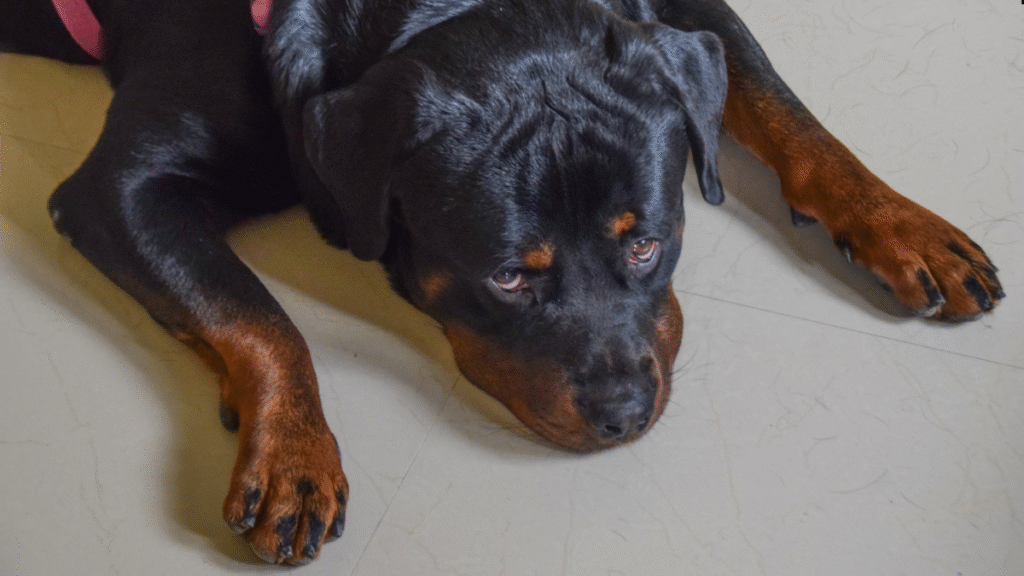
Food aggression in dogs is surprisingly common, but often far less severe than many pet parents imagine. It can show up as growling, stiff body posture, hovering over the food bowl, or even snapping when someone walks past during a meal.
This behavior can feel scary and uncomfortable, but food aggression isn’t usually driven by dominance, assertiveness, or an attempt to “control” the house.
The good news is that you can help your dog overcome food aggression through gentle, patient, and positive training. Forceful corrections or punishment generally backfire and make guarding behaviors worse. Instead, a calm and structured approach helps your dog feel safe and learn to trust you around their food.
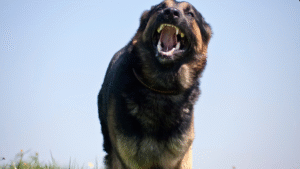
What Is Food Aggression in Dogs?
Before solving the problem, it helps to understand why it’s happening. Food aggression, sometimes called resource guarding, is when a dog protects access to something they view as valuable—such as food, bones, toys, treats, or even a feeding area. For some dogs, that need to guard can extend to beds, toys, or even people they are attached to.
Food aggression generally falls into three levels:
Mild: Growling, stiffening, hovering over the bowl
Moderate: Showing teeth, guarding posture
Severe: Lunging or snapping when approached or blocked
It’s important to understand that dogs are not food-aggressive “out of spite.” Most guarding is triggered by one or more of the following:
1. Past Scarcity or Competition
Some dogs have competed for food in the past—whether in large litters, shelters, or puppy mills. This can create long-term anxiety around food.
2. Fear of Losing Valuable Resources
If a dog believes someone may take their food away, they may develop protective habits. Guarding behavior often increases if someone has previously snatched food from their bowl.
3. Natural Instincts
In the wild, guarding food is essential for survival. Some dogs, especially from lines bred for guarding, have stronger instincts and may need more structure at home.
4. Stress and Unpredictability
A chaotic feeding environment—noise, children, unfamiliar dogs, or inconsistent feeding times—can increase anxiety. Dogs with naturally anxious personalities are more prone to guarding.
5. Medical Issues
Pain or gastrointestinal problems can cause irritability. If food guarding appears suddenly, visit a vet to rule out medical issues.
Understanding the cause makes gentle training far more effective.
Gentle Methods: Why They Work Best
Older training methods often encouraged dominating or punishing a dog for guarding food. Techniques like hitting the bowl, forcefully removing food, or yelling only increase anxiety and make the dog feel more threatened.
Gentle, science-backed training is far more effective because it focuses on:
-
Building trust
-
Reducing anxiety
-
Creating positive associations
-
Adding structure around meals
With consistency, your dog learns that your presence near their food is not a threat. In fact, you are there to make things better—not worse.
Step-by-Step Training Methods
Step 1: Create a Calm Feeding Environment
Start by giving your dog a quiet, safe place to eat. Feed them away from other pets, children, and loud noises. Predictable feeding times also reduce stress.
If you have multiple dogs, feed them separately until food aggression is fully resolved. This prevents conflicts and helps you work with each dog individually.
Step 2: Begin With Distance Feeding
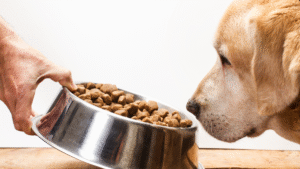
If your dog reacts when you approach the bowl, start feeding them at a distance where they feel comfortable. Place the food down, then walk away. This shows respect for their space and lowers tension.
Step 3: Try Hand-Feeding for Positive Association
If your dog is not severely aggressive, you can gently introduce hand-feeding. Offer small pieces of kibble or treats by hand. This teaches your dog that your presence near food means something good will happen.
If your dog becomes tense, stop and use indirect methods instead.
Step 4: Add “Bonus Treats” to the Bowl
A highly effective method is to add something tasty to the bowl while your dog eats. The goal is to show your dog that your approach means gaining food—not losing it.
Start by tossing a treat from a distance. Over time, move closer until you can calmly drop a treat directly into the bowl.
Step 5: Teach “Sit” and “Wait”
Basic obedience helps reduce anxiety and brings structure to mealtimes.
Ask your dog to sit and wait briefly before you place the bowl down. This builds impulse control and helps your dog begin meals in a calmer state.
Keep the waiting period short—just a few seconds.
Step 6: Practice Controlled Approaches
Once your dog is comfortable with you nearby, practice approaching the bowl, offering a treat, and walking away. This strengthens trust and reduces guarding behaviors.
Move at your dog’s pace. Some dogs improve within days, while others take weeks.
Step 7: Use Relaxed Body Language
Avoid leaning over your dog, making sudden movements, or staring into the bowl. These actions can feel threatening. Approach from the side with a relaxed posture.
Step 8: Introduce Puzzle Feeders and Slow-Feed Bowls
Puzzle feeders, lick mats, and slow-feed bowls promote calmer eating and reduce tension. They also make food less “guardable” because the dog is focused on solving the puzzle.
These tools are especially helpful for fast eaters or anxious dogs.
Step 9: Slowly Reintroduce Household Members
If your dog guards food from certain family members, reintroduce them slowly. They can toss treats from a safe distance while you manage the main training.
Never allow children to approach a dog who is eating.
What NOT To Do
Gentle training includes avoiding certain mistakes that make food aggression worse.
Never Take Food Away Forcefully
This is one of the fastest ways to create or worsen resource guarding.
Avoid Punishment
Yelling, scolding, or intimidating your dog increases anxiety and guarding.
Don’t “Test” the Dog
Putting your hand in the bowl or hovering unnecessarily will only stress your dog.
Never Corner the Dog
Dogs must always have an escape route. Feeling trapped triggers defensive behavior.
When To Seek Professional Help
If your dog lunges, snaps, or displays severe guarding across multiple items, consult a professional dog trainer or behaviorist. They can design a safe, customized plan.
If the behavior appears suddenly, see a veterinarian to rule out pain or illness.
Preventing Food Aggression in Puppies
Puppies learn quickly, so prevention is easier than correction.
-
Feed in a calm environment
-
Occasionally toss treats into the bowl while they eat
-
Allow them to eat without taking their food away
-
Introduce hand-feeding positively
These habits teach puppies that humans add value instead of taking resources away.
Final Thoughts
Ending food aggression the gentle way is not only possible but also the most effective long-term strategy. Patience, consistency, and compassion matter far more than force. When you reduce anxiety instead of trying to control the behavior, your dog learns to feel safe and relaxed during meals.
A dog that trusts you has no need to guard food. With the right training techniques, mealtimes can become peaceful and stress-free. Whether you’re helping a rescue dog, a puppy from a large litter, or a pet who recently developed guarding habits, gentle training strengthens your bond and creates a more harmonious home.
Save pin for later

- The Cutest Cat Breeds in the World - March 21, 2026
- Black Cat Names That Are as Mysterious and Beautiful as They Are - March 21, 2026
- Did You Know Your Dog Could Have Diabetes? - March 20, 2026