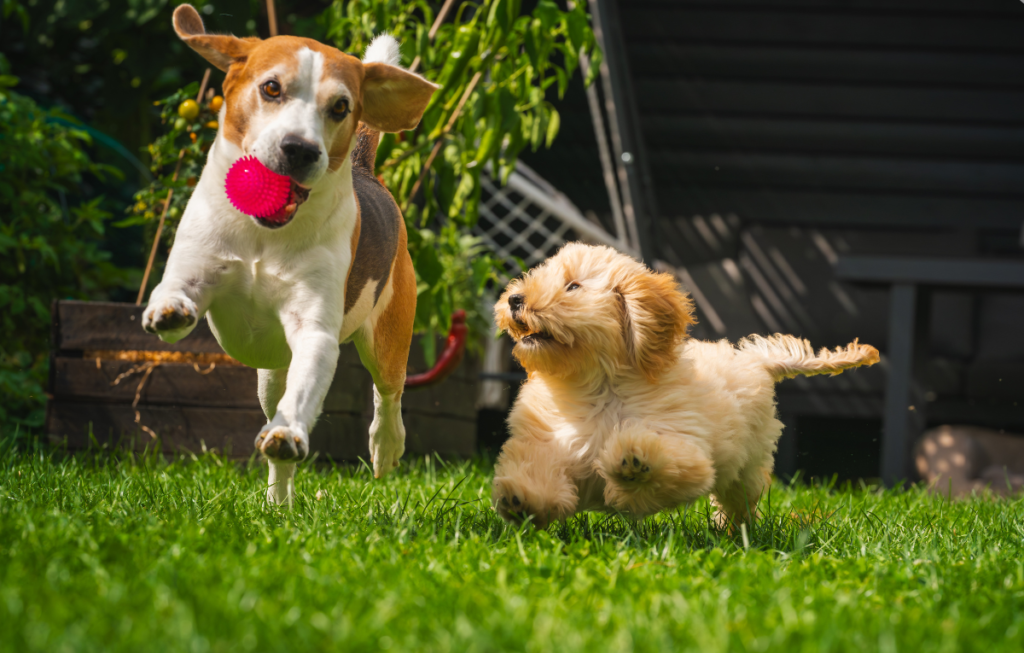
If you have a dog, you already know how much they love having space to stretch their legs, sniff around, and just be a dog. I’ve found that one of the best things you can do for your pup is to create the ultimate outdoor dog run in your backyard — a dedicated space where your dog can move freely, safely, and happily without you having to worry about them bolting through the fence or digging up your garden.
It doesn’t have to be complicated or expensive, and the payoff for both you and your dog is absolutely worth it.
Why a Dog Run Is One of the Best Investments You Can Make for Your Dog
Before we get into the how-to, let me explain why a dedicated dog run is worth your time and effort.
Dogs need physical activity and mental stimulation to stay healthy and well-behaved. Without an outlet, they get bored — and bored dogs chew furniture, bark excessively, or develop anxiety. A proper backyard dog run gives your dog a safe zone to burn off energy whenever they need to, without unsupervised access to your entire yard.
It also protects your garden and landscaping. If you’ve ever watched a dog systematically destroy a flower bed or dig craters in a lawn, you understand the value of having a contained area. A dog run keeps the chaos in one place.
And for you? It means peace of mind. You can let your dog out without standing watch at the door every five minutes. That’s a win for everyone.
Step 1 — Choose the Right Location in Your Yard
The first thing you need to do is pick the right spot. This decision affects almost everything else, so take your time with it.
Consider Shade and Sun
You want a location that gets a mix of both sun and shade throughout the day. Full sun exposure in the summer can be dangerous — dogs overheat quickly. Look for a spot near a tree or a fence line that naturally provides some afternoon shade. If your yard doesn’t have natural shade, plan to add a shade structure later.
Consider Drainage
Avoid low-lying areas where water pools after rain. Standing water creates mud, bacteria, and a very unhappy dog. A slight slope is ideal — it helps water run off naturally and keeps the surface cleaner.
Consider Proximity to the House
Placing the dog run close to a door your dog already uses makes it easier for you to let them in and out. It also means your dog feels less isolated, which matters more than you might think. Dogs are social animals, and being able to see or hear household activity keeps them calm and content.
Step 2 — Decide on the Size
Size matters here — and bigger is almost always better. The minimum I’d recommend for a medium-sized dog is about 5 feet wide by 10 feet long. For larger or more active breeds, aim for at least 10 feet by 20 feet if your yard allows it.
Think about how your dog moves. Do they like to sprint? Do they pace when excited? A dog that just needs a potty break can get by with a smaller space, but a high-energy dog needs room to actually run.
If you have multiple dogs, size up even further. Dogs play rough sometimes, and they need space to move away from each other when they want to.
Step 3 — Pick Your Fencing
Fencing is the backbone of any dog run. You need something strong enough to contain your dog, tall enough that they can’t jump over it, and durable enough to withstand chewing, digging, and weather.
Chain Link Fencing
This is the most popular choice for dog runs and for good reason. It’s affordable, durable, and easy to install. A height of 5 to 6 feet works for most dogs. If you have a jumper, go with 6 feet without question.
Welded Wire Fencing
Stronger and more rigid than chain link, welded wire is a great upgrade if your dog is a chewer or a pusher. It doesn’t give as much when a dog leans on it, which discourages that behavior over time.
Wood Panel Fencing
Wood looks great and provides privacy, which can reduce fence-reactive barking. The downside is that it requires more maintenance and doesn’t allow airflow as well as wire options. If aesthetics matter to you and you’re willing to maintain it, wood is a solid choice.
Don’t Forget the Anti-Dig Barrier
If your dog is a digger, address the bottom of the fence. Bury it 6 to 12 inches underground, or run a horizontal L-shaped footer of wire mesh along the base just below the surface. This stops even the most determined escape artists.
Step 4 — Choose the Right Ground Surface
The ground surface inside the dog run affects your dog’s joint health, your cleanup routine, and how much maintenance you’ll be doing long-term.
Grass
Natural grass looks nice and is soft on paws. The problem? Dogs destroy it quickly. Heavy traffic, urine, and digging will turn a grass dog run into a mud pit within weeks. It’s only realistic if the run is very large and your dog spends limited time in it.
Gravel or Pea Gravel
A popular choice that drains well and is easy to hose down. Pea gravel is smooth and comfortable for most dogs. One downside is that small gravel can get caught in paw pads, so inspect your dog’s feet regularly.
Concrete
Easy to clean and very durable. The trade-off is that it’s hard on joints over time, especially for older dogs or larger breeds. If you use concrete, add rubber mats for your dog to rest on.
Rubber Mulch or Pavers
Rubber mulch is springy, comfortable, drains well, and lasts a long time. It’s one of my favorite options — it gives you the look of mulch without the mess of wood chips. Interlocking rubber pavers are another excellent alternative — easy to replace in sections and very gentle on joints.
Step 5 — Add a Gate and Entry System
Your gate needs to be secure, easy for you to operate, and impossible for your dog to figure out. Use a latch that requires two steps to open — dogs are smarter than we give them credit for, and a simple lift-latch won’t hold a motivated escape artist for long.
Consider adding a double-gate entry, which creates a small airlock between two gates. You open the first gate, step inside, close it behind you, then open the second. This gives you a buffer zone so your dog can’t bolt past you into the yard.
Step 6 — Set Up Comfort and Enrichment Features
Once the structure is in place, you get to make it a space your dog actually enjoys.
Shelter
Your dog needs a shaded shelter option inside the run. A simple doghouse or a waterproof canopy keeps them protected from sun and rain. If your dog will spend significant time out there, invest in a proper weatherproof shelter.
Water Station
A mounted water bowl or an automatic waterer is non-negotiable. Dogs need constant access to fresh water, especially when they’re active. An automatic waterer hooks up to your garden hose and refills itself — incredibly convenient.
Toys and Enrichment
Rotate toys inside the run to keep your dog mentally engaged. Chew toys, tug ropes, and puzzle feeders all help prevent boredom. If you have the space, a sandpit is a fantastic feature — dogs love to dig, and giving them a designated spot for it satisfies that urge without destroying the rest of the run.
Step 7 — Keep It Clean and Well-Maintained
Scoop waste daily — this reduces odor, keeps flies away, and keeps your dog healthy. Rinse the surface at least twice a week, and do a deeper clean with a pet-safe disinfectant once or twice a month.
Check the fencing regularly for signs of rust, damage, or loose sections. Inspect the gate latches and hinges seasonally. A small repair now is much easier than dealing with an escape or injury later.
Frequently Asked Questions
How much does it cost to build a backyard dog run? It varies depending on size and materials. A basic chain link run can cost as little as $200 to $500 in materials. A larger, fully equipped setup with proper surfacing, shelter, and enrichment features can run $1,000 to $3,000 or more. DIY installation keeps costs down significantly.
What size dog run do I need for a large breed? For large breeds like Labs, German Shepherds, or Golden Retrievers, aim for a minimum of 10 feet by 20 feet. If your dog is very active, bigger is always better.
Can I use a dog run for puppies? Yes, but with modifications. Puppies need smaller fence openings so they can’t squeeze through, and they need more supervision overall. Also avoid hard surfaces like concrete for young puppies whose joints are still developing.
How do I stop my dog from barking in the dog run? Barking usually signals boredom or anxiety. Make sure the run is enriching enough — toys, a view, shelter. Limit the time your dog spends alone in the run, and gradually build up to longer sessions. If fence reactivity is the issue, consider a privacy fence panel on the side facing the street or neighbors.
Do I need a permit to build a dog run? In some areas, yes. Check your local zoning regulations and HOA rules before you start building. Structures above a certain size or with permanent footings often require permits.
Final Thoughts
Building the ultimate outdoor dog run in your backyard is one of the most practical and loving things you can do for your dog. When you take the time to plan the location carefully, choose the right fencing and surface, and add thoughtful comfort features, you end up with a space your dog genuinely enjoys — and one that makes your life easier at the same time.
Start with the basics, get the structure right, and build from there. Your dog will thank you in tail wags and zoomies.
Save pin for later

- How to Build a DIY Dog Gate for Stairs and Doorways - April 8, 2026
- 8 DIY Dog Treat Recipes Your Furry Bestie Will Beg For - April 8, 2026
- How to Create the Ultimate Outdoor Dog Run in Your Backyard - April 8, 2026