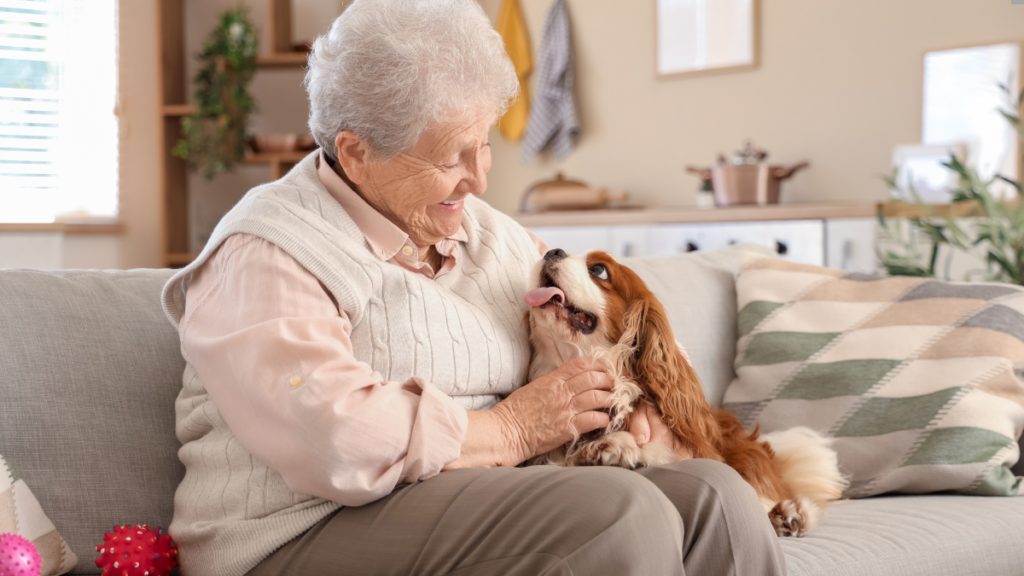
Dogs are family, and when you bring them into your home, your house becomes their playground, their safe space, and their personal paradise. Creating a dog-friendly home is a priority that every dog lover should keep in mind.
In a dog-proofed home, dogs feel relaxed and comfortable, free to roam, nap, and play. Making your home more welcoming and friendly to dogs doesn’t just make life easier for them—it also makes life better for you.
Why a Dog-Friendly Home?
So, why take the time and effort to make your home more dog-friendly? Dogs are intelligent and loyal animals with unique needs. They require room to move, surfaces that are safe for their paws, a comfortable place to sleep, and access to food and water. When these needs are not met, dogs can become stressed and uncomfortable, which can lead to behavioral problems and even health issues.
A home that is not tailored to a dog’s needs can also be frustrating for the owner. Dog hair on furniture, stains, scratched floors, chewed handrails, constant cleaning, and frequent scolding are daily headaches for many dog owners. A dog-friendly home will protect your furniture and valuables, make your home easier to maintain, and create a space that your pet enjoys spending time in—one where they are less likely to misbehave.
Flooring That Can Stand Up to Dogs
The first step in designing a dog-friendly home is ensuring that the floors can handle the wear and tear of a dog. Dogs can be tough on floors with muddy paws, spilled food or water, and scratches from claws. The best flooring for dogs is durable, stain- and scratch-resistant, easy to clean, and not slippery.
-
Tile and Stone: Tile and stone floors are excellent for high-traffic areas because they are scratch-resistant and easy to clean. However, they can be cold, so adding rugs or mats is a good idea.
-
Vinyl and Laminate: Modern vinyl and laminate flooring can mimic wood or stone while being water-resistant and highly durable. They are often budget-friendly and comfortable for pets.
-
Hardwood: Hardwood is elegant, but it can be prone to scratches and stains. If you love hardwood, consider scratch-resistant finishes or using area rugs in high-traffic zones.
-
Carpet: Carpet isn’t always ideal, as it traps hair and odors. Low-pile carpeting can work if you vacuum frequently and place washable rugs where your dog likes to spend time.
The right flooring provides a foundation for a dog-friendly home, balancing style, comfort, and durability.

Safe and Comfortable Spaces
Like any pet, dogs need their own space in a home—a place where they can stretch out and relax without feeling cramped. Designating specific areas for your dog helps them understand boundaries while providing a secure, private retreat.
-
Dog Beds: Ensure your dog has a comfortable, supportive bed that suits their size and sleeping preferences. Orthopedic beds are excellent for older dogs or breeds prone to joint issues.
-
Crates: Crate training provides dogs with a den-like space where they feel safe. Place the crate in a low-traffic area and make it inviting with soft bedding and toys.
-
Resting Zones: If you prefer not to use a crate, provide a rug or blanket in one or two areas where your dog can relax. This gives them a sense of security and helps prevent wandering into potentially unsafe or off-limit zones.
Creating safe and comfortable spaces can also prevent destructive behaviors like chewing, scratching, or pacing when you’re not home.
Dog-Proof Your Home
A dog-friendly home is also a safe home. Dogs are naturally curious and like to explore, which can sometimes lead to accidents. Here’s how to dog-proof your living space:
-
Secure Hazardous Items: Keep cleaning supplies, medications, small objects, and electrical cords out of reach. Dogs are often drawn to things with interesting smells or textures, even if they’re dangerous.
-
Gates and Barriers: Baby gates or pet gates can restrict access to certain areas, which is especially useful for puppies or exploratory dogs.
-
Toxic Plants: Many common houseplants are poisonous to dogs, including lilies, poinsettias, and philodendrons.
-
Fireplace and Stove Safety: Use a protective screen for fireplaces or wood stoves and supervise your dog around open flames or hot surfaces.
Dog-proofing prevents accidents and injuries, creating a more relaxed and secure environment for both you and your pet.
Food and Water Stations
Proper feeding and hydration are crucial for your dog’s health. Set up dedicated food and water areas in your home:
-
Placement: Choose a quiet, low-traffic spot. Avoid hallways or areas near doors to reduce stress during mealtime.
-
Bowl Type: Stainless steel and ceramic bowls are durable and easy to clean. Avoid plastic bowls, as scratches can harbor bacteria.
-
Height: Raised bowls can help larger dogs reduce neck and joint strain, while smaller dogs are fine with bowls on the floor.
-
Non-Slip Mat: Place a mat under the bowls to prevent spills and keep the feeding area tidy.
Ensuring food and water are easily accessible supports your dog’s daily comfort and health.
Interactive Spaces and Play Areas
Dogs need mental and physical stimulation. Create indoor and outdoor spaces where they can play safely:
-
Indoor Play: Keep toys accessible and rotate them to maintain interest. Tug ropes, chew toys, and puzzle toys are great for mental engagement.
-
Outdoor Space: A secure yard allows dogs to run, dig, and play. Fencing keeps them safe from escape.
-
Exercise Routines: In smaller homes, consider a mini agility course with tunnels, balance pads, or low hurdles to provide indoor exercise and stimulation.
Interactive spaces help prevent boredom, which is a major cause of destructive behaviors.
Managing Dog Hair and Odor
Even the cleanest homes will have some dog hair, but a few strategies can help manage it:
-
Regular Grooming: Brush your dog frequently, especially breeds that shed more.
-
Vacuuming and Cleaning: Use a vacuum designed for pet hair and wash pet beds regularly. Steam mops can clean hard floors effectively.
-
Air Quality: HEPA-filter air purifiers reduce allergens and odors.
-
Scent Management: Sprinkle natural odor neutralizers like baking soda on rugs or removable covers.
Maintaining cleanliness and grooming ensures your dog can enjoy the home freely without compromising hygiene.
Dog-Friendly Furniture
You don’t have to sacrifice style to accommodate your dog:
-
Durable Fabrics: Choose microfiber, leather, or tightly woven fabrics that resist scratches and stains.
-
Washable Covers: Slipcovers and removable cushions make cleaning easier, especially if your dog likes to snuggle on furniture.
-
Low and Stable Furniture: Avoid sharp edges or unstable pieces that can be knocked over.
-
Chew-Resistant Alternatives: Provide chew toys and avoid fragile furniture materials if your dog likes to gnaw.
Dog-friendly furniture keeps both you and your pet comfortable and your home stylish.
Training and Boundaries
A dog-friendly home is also a well-managed home:
-
Positive Reinforcement: Reward good behavior with treats, praise, or toys.
-
Boundaries: Use gates, crates, and designated spaces to help your dog understand limits.
-
Routine: Keep consistent schedules for feeding, play, and walks to reduce stress and encourage good behavior.
Even the most pet-oriented spaces require guidance and structure to maintain harmony.
Outdoor Dog Spaces
Outdoor areas can enhance your dog’s life if properly designed:
-
Secure Fencing: Ensure the yard is fully enclosed with gates that latch securely.
-
Shade and Shelter: Provide protection from sun, rain, and wind with shaded areas, doghouses, or covered patios.
-
Safe Landscaping: Avoid toxic plants, sharp objects, and standing water where mosquitoes or bacteria could breed.
-
Digging Zones: If your dog enjoys digging, designate a safe area with sand or loose soil to protect your landscaping.
Outdoor spaces expand your dog’s environment while keeping them safe and active.
The Bottom Line
Creating a dog-friendly home is about balance. It’s not just about safety and functionality—it’s about making your dog feel loved, secure, and part of the family. From durable flooring and cozy resting areas to dog-proofed outdoor spaces and interactive play zones, every thoughtful adjustment contributes to your dog’s happiness and well-being.
The effort you put into designing a dog-friendly home is worth it: fewer accidents, less stress, and a happier, healthier, more loyal dog.
Save pin for later

- The Cutest Cat Breeds in the World - March 21, 2026
- Black Cat Names That Are as Mysterious and Beautiful as They Are - March 21, 2026
- Did You Know Your Dog Could Have Diabetes? - March 20, 2026