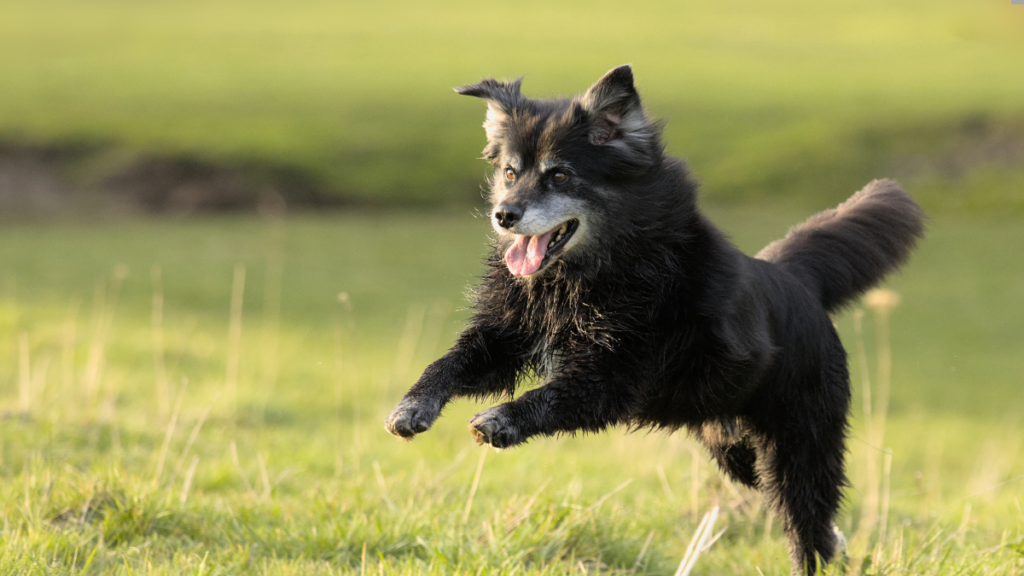
As dogs age, their needs change — sometimes gradually, sometimes suddenly. One of the most important questions pet parents face is: how to care for senior dogs? While they may not be as energetic as they once were, senior dogs still require the same love, attention, and care as they did in their younger years.
With patience, awareness, and compassion, you can help your senior dog live a comfortable and happy life.
What Is the Definition of a Senior Dog?
A senior dog is one in the later stage of life when extra care and attention become essential. The age at which dogs are considered seniors varies by breed and size:
-
Small breeds: 10–12 years
-
Medium breeds: 8–10 years
-
Large and giant breeds: 6–7 years
Signs that your dog is entering their senior years include:
-
Moving more slowly
-
Sleeping more than usual
-
Reduced hearing or vision
-
Weight gain or loss
-
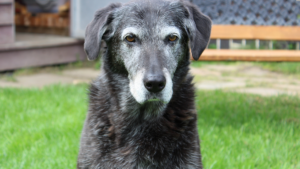
Graying fur, especially around the muzzle
-
Decreased interest in active play
Even noticing one of these signs is a cue to start adjusting your care routine and learning how to care for senior dogs.
Understanding the Physical Changes in Senior Dogs
As dogs age, both their physical and mental health begin to change. Being aware of these changes helps you provide the best care possible.
Joint and Mobility Issues
Arthritis and joint stiffness are common in older dogs. You may notice difficulty climbing stairs, jumping onto furniture, or rising from a lying position.
Slower Metabolism
Senior dogs burn fewer calories, which can lead to weight gain unless their diet and exercise are adjusted.
Dental Problems
Tartar, gum disease, and tooth loss are common in aging dogs and can lead to serious health issues if untreated.
Sensory Decline
Hearing and vision may weaken, making dogs more easily startled or less responsive to commands and calls.
Decreased Immune Function
Older dogs are more prone to illness, from minor infections to serious conditions, making regular veterinary visits essential.
Nutrition: Feeding Your Senior Dog Right
Diet plays a crucial role in maintaining your senior dog’s health.
Choose Senior Dog Food
Senior dog food is formulated with:
-
Fewer calories
-
Higher-quality protein
-
Added fiber
-
Joint-supporting nutrients like glucosamine and chondroitin
Monitor Portion Sizes
Older dogs gain weight more easily. Follow feeding guidelines and adjust portions based on activity level.
Consider Supplements
Supplements can support joints, digestion, skin and coat health, and cognitive function. Always consult your vet before introducing supplements.
Provide Fresh Water
Senior dogs may drink less, increasing their risk of dehydration. Ensure fresh water is always accessible.
Exercise: Keeping Senior Dogs Active
Exercise remains important for older dogs but should be adjusted for their abilities.
Benefits of Gentle Exercise
-
Maintains muscle strength and joint mobility
-
Supports weight management
-
Boosts mental health
-
Provides enrichment and stimulation
Best Types of Exercise
-
Short, frequent walks
-
Gentle play sessions (avoid high-impact activities)
-
Swimming (if your dog enjoys it)
-
Interactive indoor games
Safety Tips
Avoid running, jumping, or climbing. Watch for signs of fatigue or discomfort.

Veterinary Care: Why Senior Dogs Need Regular Check-Ups
Senior dogs benefit from more frequent veterinary visits, usually every six months.
Benefits of Regular Vet Visits
-
Early detection of health problems
-
Monitoring chronic conditions
-
Adjusting diet or medications
-
Updating vaccinations
Common Senior Dog Health Issues
-
Arthritis
-
Heart disease
-
Diabetes
-
Kidney and liver disease
-
Cancer
-
Canine cognitive dysfunction (dog dementia)
Early detection increases the chances of successful treatment and improves quality of life.
Dental Care for Senior Dogs
Dental health is often overlooked but is vital to overall well-being.
Signs of Dental Problems
-
Bad breath
-
Red or swollen gums
-
Difficulty eating
-
Loose or missing teeth
-
Pawing at the mouth
How to Maintain Dental Health
-
Brush teeth with dog-safe toothpaste
-
Offer veterinary-approved dental chews
-
Schedule professional cleanings if necessary
Proper dental care prevents painful infections and reduces the risk of heart and organ problems.

Creating a Comfortable Environment for Senior Dogs
Making your home senior-friendly ensures safety and comfort.
Orthopedic Bedding
Supports joints and reduces pain for better sleep.
Easy Accessibility
-
Use ramps instead of stairs
-
Raise food and water bowls
-
Keep essentials on one floor
Non-Slip Surfaces
Rugs and mats prevent slips and injuries.
Temperature Control
Help your dog stay warm in winter and cool in summer.
Grooming and Skin Care
Older dogs have more sensitive skin and may groom less.
Benefits of Regular Grooming
-
Improves circulation
-
Prevents matting
-
Helps detect sores, lumps, or parasites early
Bathing Tips
-
Use gentle, dog-specific shampoo
-
Avoid overbathing to prevent dry skin
-
Dry thoroughly
Nail and Paw Care
Regular nail trimming helps prevent pain and balance issues.
Mental Stimulation and Emotional Well-Being
Cognitive health is as important as physical health for senior dogs.
Activities for Mental Stimulation
-
Puzzle toys and games
-
Short training sessions
-
New scents during walks
-
Interactive toys
Signs of Cognitive Decline
-
Confusion
-
Restlessness at night
-
Forgetting housetraining
-
Reduced interaction
Consult your vet for treatments and lifestyle adjustments if cognitive decline occurs.
Emotional Support
Senior dogs may become anxious or clingy. Provide reassurance with:
-
Consistent routines
-
Gentle communication
-
Minimal sudden changes
-
Patience and understanding
Behavior changes are often a form of communication. Learning how to care for senior dogs includes recognizing and responding to these needs.
Managing Pain and Chronic Conditions
Chronic pain is common in senior dogs, making proper management essential.
Pain Management Options
-
Prescription medications
-
Joint supplements
-
Physical therapy
-
Acupuncture or massage (with vet approval)
Never give human medications to dogs, as many are toxic.
End-of-Life Care and Quality of Life
At some point, senior dogs may face serious illness. Focus on quality of life.
Questions to Consider
-
Is my dog comfortable?
-
Is my dog still enjoying life?
-
Do bad days outweigh good ones?
Your vet can help guide difficult decisions with compassion.
Cherishing the Moments
Even as activity slows, senior dogs often become more affectionate. Quiet companionship, gentle touches, and shared moments become more meaningful than ever. Their love remains constant — and that is something every pet parent should cherish.
Final Thoughts
Caring for a senior dog requires patience, knowledge, and compassion. Proper nutrition, regular veterinary care, gentle exercise, mental stimulation, and love can make your dog’s golden years fulfilling and comfortable.
Learning how to care for senior dogs is a way to honor their years of loyalty and love. While their energy may wane, their affection remains strong, reminding us why every effort to care for them is worthwhile.
Save pin for later


- The Cutest Cat Breeds in the World - March 21, 2026
- Black Cat Names That Are as Mysterious and Beautiful as They Are - March 21, 2026
- Did You Know Your Dog Could Have Diabetes? - March 20, 2026