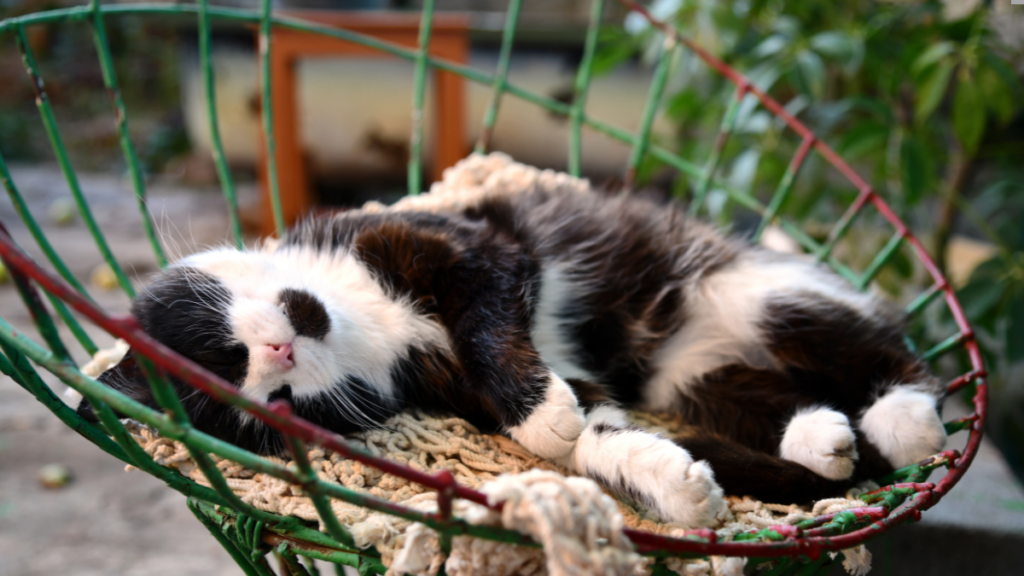
Cats bring so much joy to our lives. From the moment we meet them, with their fur brushed down, we know they are here to stay. But the longer you live with your cat, the more they need your care and attention. Just like humans, cats require extra care as they age.
As cats grow older, they can experience several physical and behavioral changes that aren’t always easy to notice until they start causing problems.Whether your cat is just entering their senior years or has been a long-time member of the “senior club,” this article is here to support you.

Senior Cat Age & Aging Process
Cats are generally considered seniors around the age of seven, though some breeds may show signs of aging earlier or later. Senior cats go through various physical and mental changes, including:
-
Reduced energy and slower metabolism, which can lead to weight gain or weight loss
-
Joint stiffness and arthritis
-
Reduced kidney function
-
Dental disease, tooth loss, and pain
-
Impaired vision and hearing
-
Increased susceptibility to illness
-
Altered sleep patterns and more frequent sleeping
-
Urinary tract issues
-
Hyperthyroidism
-
Stress and separation anxiety
-
Behavioral and cognitive changes
These signs are typically part of the natural aging process. However, if they significantly affect your cat’s health or behavior, a visit to the vet is recommended. With regular monitoring and preventive care, you can help ensure your cat remains healthy and comfortable as they age.

Senior Cat Nutrition & Eating Habits
Nutrition plays a key role in senior cat care. As cats age, it’s essential to provide food that meets their changing nutritional needs. Choosing the right food can help maintain your senior cat’s health, energy, and overall quality of life.
Choosing the Right Food
There are many senior cat foods on the market, so you can select one that fits your cat’s specific needs based on their weight, health status, and other factors. Look for senior cat food that is:
-
Low in calories to prevent obesity
-
High in protein to preserve lean muscle mass
-
Rich in Omega-3 fatty acids to support joint health and coat condition
-
Full of antioxidants to boost the immune system and support cellular health
-
Low in phosphorus and sodium to reduce stress on the kidneys and heart
Monitoring Weight and Eating Patterns
Senior cats are more prone to weight gain or sudden weight loss. Monitor their eating habits and body weight closely. Changes in appetite can signal health issues such as kidney disease, hyperthyroidism, or dental problems. Being aware of your cat’s “normal” eating pattern can help you detect problems early.
Hydration
Dehydration is a common concern in senior cats and can negatively affect kidney health. Always provide fresh water and consider wet food, which contains higher moisture content. Many cats prefer running water, so investing in a pet fountain can encourage them to drink more.
Senior Cat Health & Veterinary Care
Regular health check-ups are just as important for senior cats as they are for younger cats. While annual vaccinations and parasite prevention are recommended, more frequent vet visits—ideally twice a year—are often necessary for senior cats.
Key Health Checks
During vet visits, your cat may receive:
-
Blood tests to monitor kidney, liver, and thyroid function
-
Urinalysis to check for infection or kidney issues
-
Dental exams for teeth, gums, and oral pain
-
Weight and body condition assessments
-
Updates on vaccinations and parasite prevention
Your vet may also recommend additional testing, such as ultrasounds, to detect specific issues like thyroid, heart, or kidney disease.
Senior Cat Environment & Lifestyle
Mobility issues, arthritis, and reduced vision are common in senior cats, so adapting their environment is essential for comfort and safety.
Adapting Your Home
-
Place litter trays, food, and water at accessible levels for cats that struggle to jump
-
Use ramps or steps to access beds or high furniture
-
Provide soft, cushioned beds to reduce joint pain
-
Offer quiet, secluded spaces to minimize stress and anxiety
Litter Box Adjustments
Senior cats with arthritis or mobility issues may find standard litter boxes difficult to use. Choose shallow boxes with low sides and ensure easy access to prevent litter from sticking to their paws.
Temperature Comfort
Older cats are more sensitive to cold due to reduced body fat and circulation. Provide warm resting spots and heated beds, especially in winter.
Physical Activity & Mental Stimulation
Keeping senior cats active is important for maintaining healthy muscles, joints, and mental alertness. While older cats may not be as energetic, gentle play and mental stimulation are still essential.
Physical Activity
-
Short play sessions with feather wands or soft balls
-
Low-level indoor climbing on cat trees or shelves
-
Puzzle feeders to encourage exploration
Mental Stimulation
Boredom can lead to depression and anxiety in senior cats. Keep their minds engaged with:
-
Treat-dispensing toys
-
New textures and scents
-
Positive reinforcement training
Senior Cat Grooming
Senior cats may groom themselves less due to reduced flexibility, arthritis, or decreased interest. Regular grooming helps prevent matting, hairballs, and skin issues.
Brushing and Bathing
-
Brush at least once a week, more often for long-haired cats
-
Use gentle, pet-safe shampoo for baths when necessary
-
Pay attention to areas they can’t reach, such as behind the ears and under the belly
Nail and Paw Care
Older cats scratch less, leading to overgrown nails. Trim nails regularly to prevent discomfort or injury. Check paws for infections or injuries.
Behavior Changes
Behavioral changes can indicate health problems in senior cats. Watch for:
-
Altered sleep patterns, excessive sleeping, or restlessness
-
Accidents outside the litter box
-
Withdrawal or increased aggression
Keeping a diary of your cat’s behavior, appetite, and weight helps your vet make accurate diagnoses and recommend necessary adjustments.
Common Senior Cat Health Problems
Older cats are more susceptible to certain health issues. Early detection and management can improve their quality of life.
Arthritis
-
Ensure litter trays, food, and water are easily accessible
-
Provide orthopedic or raised beds
-
Discuss supplements or pain management with your vet
Kidney Disease
-
Ensure plenty of water is available
-
Consult your vet about a kidney-supportive diet
-
Monitor kidney function through regular blood tests
Hyperthyroidism
-
Watch for sudden weight loss and increased appetite
-
Discuss treatment options, including medication, with your vet
Dental Disease
-
Regular dental check-ups
-
Tooth brushing if possible
-
Soft foods to ease chewing
Senior Cat Emotional Needs
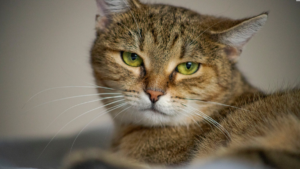
Emotional care is just as important as physical care. Senior cats often need extra attention and reassurance.
-
Spend quality time with gentle petting or lap cuddles
-
Maintain consistent routines to reduce stress
-
Use pheromone diffusers to promote calmness
Senior Cat End-of-Life Care
Planning for your cat’s end-of-life care ensures they remain peaceful, pain-free, and stress-free. Discuss palliative care, pain management, and quality-of-life checklists with your vet to be prepared.
Conclusion
Learning how to care for senior cats is a rewarding experience. Watching our beloved companions age is never easy, but the time we spend caring for them strengthens our bond and deepens our appreciation for them.
From a balanced diet and regular veterinary care to grooming and exercise, every small step you take for your senior cat will make a meaningful difference. Observing changes and being prepared for different stages of aging ensures that you provide the very best care.
Save pin for later

- The Cutest Cat Breeds in the World - March 21, 2026
- Black Cat Names That Are as Mysterious and Beautiful as They Are - March 21, 2026
- Did You Know Your Dog Could Have Diabetes? - March 20, 2026