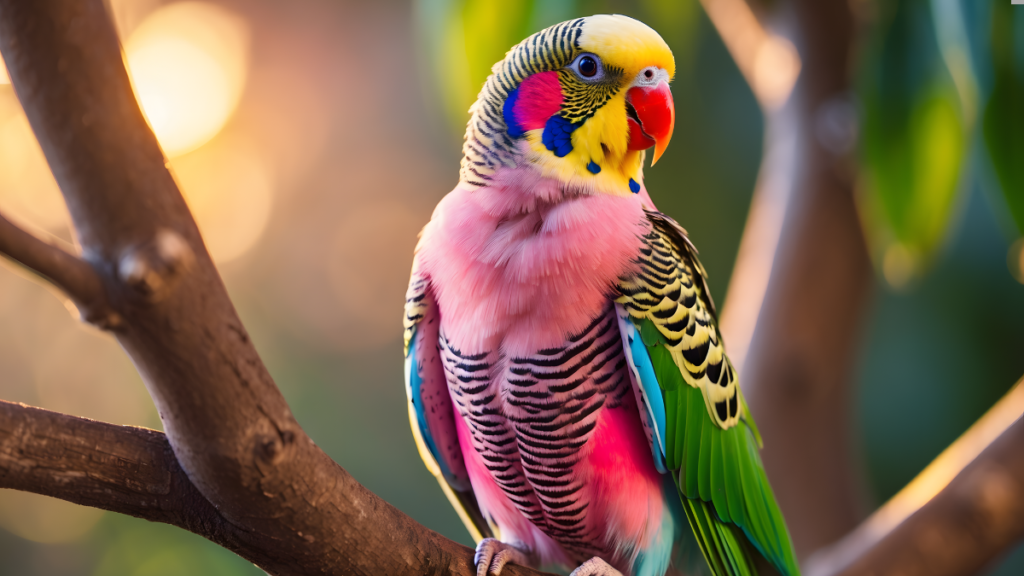
Birds make wonderful pets and companions. With their vibrant feathers, melodic chirping, and playful antics, birds can enliven any household. However, providing for their physical, emotional, and social needs is essential to keeping them healthy and happy.
In this in-depth guide, we’ll cover everything pet owners need to know about how to care for pet birds, from setting up the ideal environment to understanding their diet, health care, and behavior.
Selecting the Right Bird
Before bringing a bird home, it’s important to choose a species that matches your lifestyle. Bird species vary widely, from small finches and parakeets to larger parrots and cockatoos. Each species has different care requirements, lifespans, and personalities.
-
Finches and Canaries: These are great choices for beginner bird owners. They are small, low-maintenance, and don’t require extensive handling. They are highly social and thrive in groups of the same species.
-
Parakeets (Budgerigars): Friendly, cheerful, and known for their ability to mimic sounds, parakeets require moderate attention and mental stimulation.
-
Cockatiels: Known for their affectionate nature and sweet whistling, cockatiels form strong bonds with their owners but also need social interaction with other birds or humans.
-
African Grey Parrots and Macaws: Highly intelligent and long-lived (sometimes over 50 years!), these birds require significant mental stimulation, social interaction, and a strong commitment from their owners.
Consider your living situation, available time, and energy level when choosing a bird. Some species are noisy or high-energy, while others are calmer and more apartment-friendly. Researching your bird species thoroughly before bringing one home ensures a good match.
Providing the Ideal Habitat for Your Bird
The right environment is key to a bird’s health and happiness. A well-planned habitat can prevent stress, illness, and behavioral problems.
Choosing the Correct Cage
A bird’s cage is their home. It should be large enough for your bird to fully extend its wings, climb around, and move comfortably.
-
Size: Bigger is better. For small birds like finches and parakeets, a cage at least 18x18x18 inches is recommended. Larger parrots require cages at least 36 inches in width, length, and height.
-
Bar Spacing: Ensure the spacing between bars suits your bird’s size to prevent injury or escape. Small birds need narrower spacing (around ¼ inch), while larger birds can have wider spacing.
-
Safety: Avoid cages with toxic paints, coatings, or sharp edges. Stainless steel cages are durable, safe, and easy to clean.
Cage Placement
The cage’s location affects your bird’s mental and physical health. Avoid high-traffic or noisy areas, as well as drafty spots. Place the cage near natural light but not in direct sunlight all day. Since birds are social animals, situate the cage in a common area of your home to help your bird feel part of family life.
Enrichment and Accessories
Birds need physical and mental stimulation to stay healthy.
-
Perches: Provide a variety of perches with different sizes and textures to strengthen their feet and prevent boredom. Natural wood perches are a safe, healthy choice.
-
Toys: Birds get bored easily. Provide chewable toys, swings, and foraging toys, and rotate them regularly for variety.
-
Bathing: Most birds enjoy bathing. Offer a shallow dish of water or gently mist them with a spray bottle. Bathing helps keep feathers clean and healthy.
-
Foraging Opportunities: Hide treats or food in toys or paper to encourage natural foraging behavior. This is mentally stimulating and helps reduce stress.
Feeding Your Pet Bird
Proper nutrition is crucial when learning how to care for pet birds. A healthy diet ensures your bird remains active, energetic, and in good health.
A Healthy Bird Diet
A balanced diet includes seeds, pellets, fruits, vegetables, and occasional treats.
-
Pellets: Nutritionally balanced bird pellets should make up the majority of the diet. They prevent selective eating and provide essential vitamins and minerals.
-
Seeds: Seeds are loved by birds but are nutritionally incomplete on their own. Use them as a supplement or treat rather than the main food source.
-
Fruits and Vegetables: Fresh fruits and vegetables are important for vitamins and hydration. Offer leafy greens, carrots, peppers, apples, berries, and more. Avoid avocado, chocolate, caffeine, alcohol, and other foods toxic to birds.
-
Protein: Small amounts of cooked eggs, legumes, or bird-safe treats provide necessary protein.
Feeding Tips
-
Remove uneaten or spoiled food daily.
-
Provide fresh, clean water in a bird-safe dish and change it at least once daily.
-
Monitor eating habits. Sudden changes may indicate stress, illness, or nutritional issues.
Understanding Pet Bird Behavior
Birds are intelligent, social creatures with distinct personalities. Recognizing and understanding their behavior is essential for proper care.
Social Needs
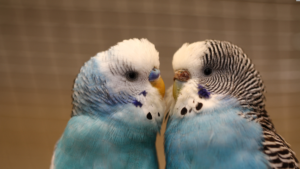
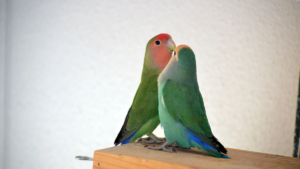
Birds crave interaction with other birds or humans. Daily bonding through talking, playing, and gentle handling helps maintain their mental health.
-
If you have a single bird, consider a compatible companion to prevent loneliness.
Behavioral or Health Concerns
Birds often hide signs of illness. Watch for:
-
Fluffed-up feathers for long periods
-
Loss of appetite or decreased water intake
-
Lethargy or unusual inactivity
-
Changes in vocalization
-
Abnormal droppings
If you notice any of these signs, contact an avian veterinarian promptly. Early detection and treatment are vital.
Training and Mental Stimulation
Training is fun and provides essential mental stimulation. Birds enjoy learning tricks, stepping up on your hand, and navigating obstacle courses. Positive reinforcement with treats and praise is most effective.
Mental stimulation is particularly important for intelligent species like parrots. Puzzle toys, foraging activities, and daily interaction prevent boredom and destructive behaviors like feather plucking.
Health Care for Birds
Regular health care and hygiene are crucial for maintaining your bird’s well-being.
Routine Health Checks
Birds should have regular veterinary visits, ideally with an avian vet. Health checks may include weight and feather assessment, nail and beak trimming, and dietary or behavioral advice. Annual checkups are recommended, though some birds may require more frequent visits based on species or age.
Hygiene
Maintaining cleanliness is essential:
-
Clean cages, perches, and toys regularly with bird-safe disinfectants.
-
Wash food and water dishes daily.
-
Replace cage liners or substrate often.
Grooming
Birds require regular grooming to stay healthy:
-
Feather Care: Birds preen themselves, but bathing opportunities can be provided.
-
Beak and Nail Trimming: Some birds naturally wear down their beak and nails; others may need professional trimming.
-
Wing Clipping: If necessary, wing clipping should be done by a professional to prevent injury.
Safety and Bird Care
Birds are curious and sometimes mischievous. Protect them from environmental hazards:
-
Keep toxic plants, chemicals, and fumes away (non-stick cookware fumes can be deadly).
-
Secure windows and doors to prevent accidental escapes.
-
Supervise birds when out of their cage to prevent accidents and chewing hazards.
-
Avoid sudden temperature changes, drafts, or extreme conditions.
Bonding With Your Bird
Building a bond with your bird requires patience but is highly rewarding.
-
Speak softly and calmly.
-
Offer treats as positive reinforcement for good behavior.
-
Handle your bird gently, respecting their comfort level.
-
Spend time near your bird’s cage so they can get used to your presence.
With time and love, your bird will become a loving, loyal companion.
Final Thoughts
Taking care of a pet bird can be a rewarding and life-enriching experience. Owning and properly caring for a pet bird requires a commitment of time, money, and energy. By understanding the physical, nutritional, social, and mental needs of your particular bird species, you can give them the best possible chance at a long, healthy, and happy life.
Birds have big personalities and are intelligent, affectionate creatures. With the right care and attention, your feathered friend can bring laughter, joy, and companionship to your home.
Save pin for later

- The Cutest Cat Breeds in the World - March 21, 2026
- Black Cat Names That Are as Mysterious and Beautiful as They Are - March 21, 2026
- Did You Know Your Dog Could Have Diabetes? - March 20, 2026