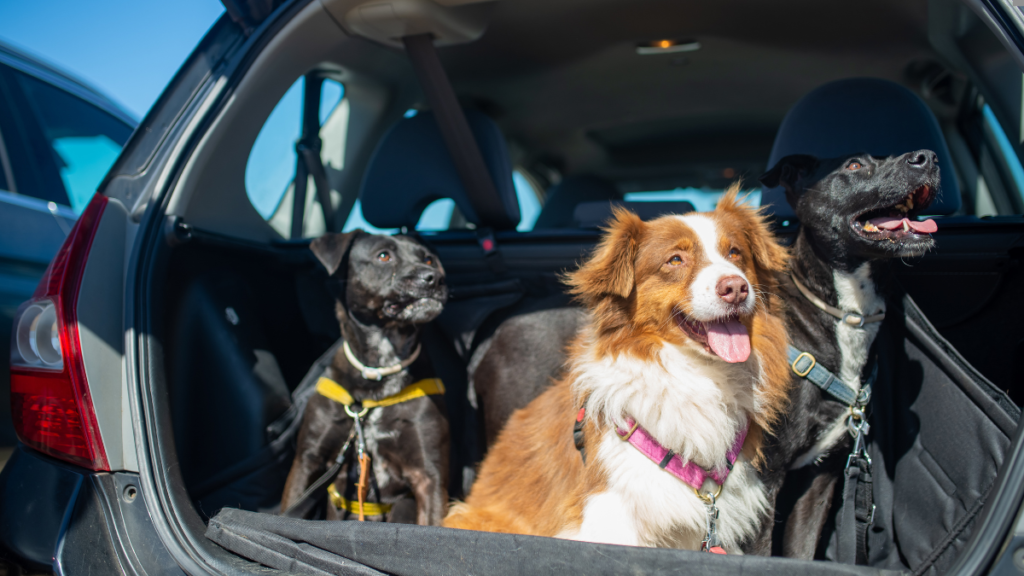
Car rides may be either an enjoyable experience or sheer terror for your dog. Maybe your dog pants heavily, whines constantly, shakes, drools excessively, or absolutely refuses to enter the car. Whatever symptoms your pup suffers from, you’ve come to the right place to learn How to Calm Dogs Before Car Rides.
Stress and anxiety while traveling are among the most common problems dog owners face. Thankfully, most dogs can learn to relax with enough patience and preparation.
Why Are Dogs Anxious Before Car Rides?
First things first: why is your dog so anxious before car rides? Don’t assume that your dog has irrational fears. Chances are there is a specific trigger—or several triggers—that contribute to their car ride anxiety.
Motion sickness
Motion sickness affects many dogs, just like humans. Puppies often suffer from motion sickness because their inner ear canals have not fully developed. Dogs that have previously become sick in the car may also associate car rides with nausea.
Traumatic experiences associated with car rides
Trips to the vet, groomer, or even certain parks can become anxiety-inducing car rides. If your dog’s only experience in the car ends with nail trimming or vaccinations, they are likely to fear getting in the vehicle. Traumatic experiences don’t have to be severe or vet-related—just one negative experience can have lasting effects on your dog.
Never having experienced car rides
On the flip side, some dogs may never have experienced riding in a car. Dogs that have not been exposed to travel may fear it simply because they don’t know what to expect. Loud engines, vibrations, and cramped spaces can be overwhelming for first-time riders.
Loss of control
When your dog is in the car, they are unable to keep their paws firmly planted on the ground. This lack of stability and awareness can cause anxiety. Add in unfamiliar sights, smells, and sounds, and you have the perfect recipe for stress.
Signs Your Dog Is Anxious About Traveling in Cars
There are several signs you can watch for to determine whether your dog is stressed about car rides:
-
Heavy panting or drooling
-
Whining, barking, or howling
-
Shaking or trembling
-
Restlessness or pacing
-
Refusing to enter the vehicle
-
Trying to hide from the car
-
Vomiting or diarrhea
Preparing Your Dog Before Getting in the Car
Believe it or not, there are ways you can prepare your dog to help them relax before every car ride. Many of these techniques take time and patience, but small changes in your routine can make a big difference.
Practice makes perfect!
Change your dog’s association with the car
If your dog associates car rides with unpleasant experiences (such as vet visits or grooming), you can help change that perception. Instead of only putting on their car harness right before leaving, introduce your pup to the car while it’s parked.
Allow them to explore the vehicle
While your car is parked and turned off, allow your pup to sniff around and get comfortable inside. You can even sit in the driver’s seat with them. Rewarding your dog with praise or treats while inside the car will help create a positive association.
Take several short trips
Once your dog feels comfortable in the car, start taking short trips. Drive around the block or down the street a few times. Ending the ride with a walk, playtime, or treats reinforces the idea that short car trips lead to good things.
Exercise before the ride
If your dog has excess energy before a car ride, a walk or play session beforehand can help them relax and settle down more easily.
Help Your Dog Relax While in the Car
Keeping your dog calm during the ride is just as important as preparing them beforehand.
Use safety restraints
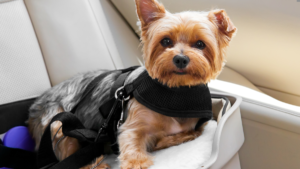
If your dog moves around excessively during car rides, it can be both dangerous and stressful. Using a dog seat belt, travel harness, crate, or dog car seat will help your pup feel more secure and prevent sliding during turns or stops.
Bring familiar items
Does your pup have a favorite toy or blanket? Bring it along. Familiar scents can provide comfort and reassurance during the ride.
Control the temperature
Maintain consistent airflow and avoid blasting the heat or air conditioning. Temperature plays a significant role in your dog’s comfort and can affect nausea levels.
Training Your Dog to Relax Before Car Rides
Training your dog to relax may take time, but with patience and consistency, it can provide long-term benefits.
Desensitize your dog to the car
Desensitization helps your dog gradually adjust to every part of the car ride experience. Start by walking your dog past the car until they no longer react. Next, open the car door and have them sit nearby. Progress to sitting inside the car with the engine off, then starting the engine without driving. Eventually, begin very short drives and slowly increase the distance.
Counterconditioning
Counterconditioning focuses on changing your dog’s emotional response to car rides. Pair the car with something your dog loves, such as high-value treats or enthusiastic praise. Each time your dog remains calm in or near the car, reward them. Over time, they will associate the car with positive experiences.
Natural Ways to Calm Dogs
Some natural remedies may help calm certain dogs. Always monitor your pup to ensure the method you choose does not increase their anxiety.
Calming music
Soft music or specially designed dog-calming playlists can help your dog relax. Keep the volume low and avoid sudden loud noises.
Dog-safe calming scents
Certain scents, such as lavender and chamomile, can help reduce anxiety in dogs. Always use dog-safe products and never apply essential oils directly to your dog’s skin. Instead, use a diffuser or lightly spray your dog’s bedding beforehand.
When in Doubt, Consult a Professional
If your dog’s anxiety doesn’t improve despite your efforts, professional help may be beneficial.
Visit the veterinarian
Although car ride anxiety is often emotional, underlying medical issues can contribute to stress. If you suspect a medical cause, consult your veterinarian.
Hire a professional trainer or behaviorist
Certified dog trainers or animal behaviorists can help develop a personalized plan to address your dog’s specific fears and anxiety.
Car Ride Anxiety FAQ
Should I scold my dog if they whine in the car?
No. Scolding will only increase stress and make the anxiety worse.
My dog is fine until we leave for the car ride. What should I do?
Try pairing departure cues with positive experiences. For example, if you’re going to the dog park, place your dog’s leash or toys by the door. When your dog starts reacting to you grabbing your jacket, redirect their attention to something they enjoy.
My dog loves car rides but throws up every time. What can I do?
Try feeding your dog several hours before the ride instead of right beforehand. You can also experiment with seating positions—some dogs feel better with fresh air, while others prefer a covered crate.
How long does it take for a dog to get used to riding in cars?
It may take weeks or even months. Consistency and patience are key.
My dog hates car rides but relaxes when someone stays with them. Why?
Having a familiar person present can help reduce anxiety. If no one can sit with your dog, recording your voice and playing it softly during the ride may provide comfort.
Final Thoughts
Unfortunately, there is no single solution that works for every dog. Each pup is unique, and you may need to try several methods before finding what works best. Stay patient, keep an open mind, and support your dog throughout the process. With time and consistency, car rides can become a much calmer experience for both of you.
Save pin for later

- The Cutest Cat Breeds in the World - March 21, 2026
- Black Cat Names That Are as Mysterious and Beautiful as They Are - March 21, 2026
- Did You Know Your Dog Could Have Diabetes? - March 20, 2026