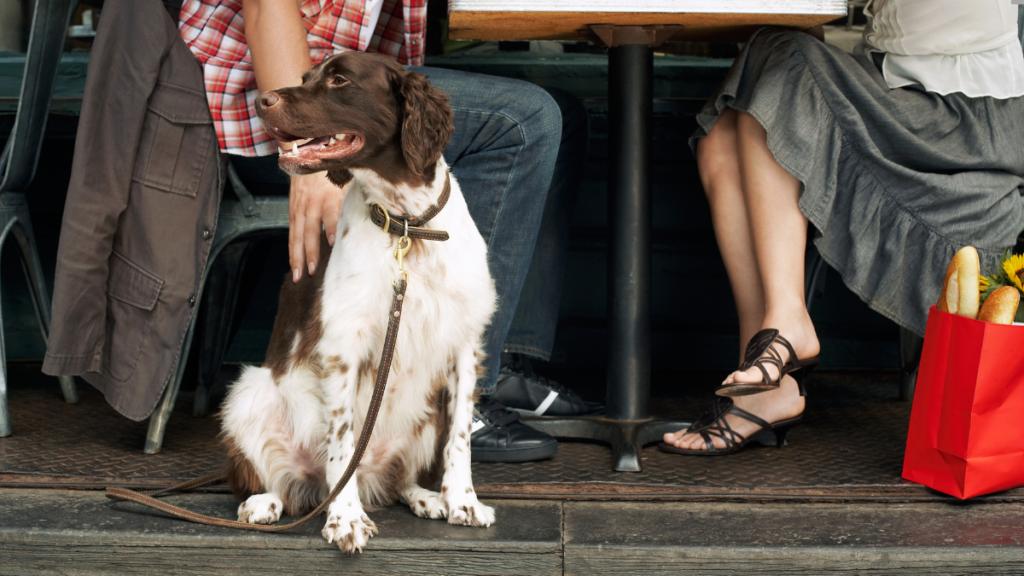
Whether you have recently brought a new puppy into your home or have shared many years with your four-legged family member, trust is one of the most important bonds between you and your dog. Learning how to build trust with your dog goes far beyond basic training.
It’s about creating a relationship based on respect, love, and mutual understanding. Dogs are intuitive and sensitive creatures. If your dog feels confused, scared, or anxious, they may respond with behavioral issues such as aggression, anxiety, fearfulness, or even by shutting down and withdrawing. The good news is that, with the right approach and mindset, you can create a trusting bond that will last a lifetime.

Understanding Your Dog’s Perspective
The first step in building trust with your dog is understanding your dog. Remember, dogs don’t think, see, or hear the world in the same way we do. They communicate differently, respond to our energy, and rely on our cues for reassurance.
As a result, loud noises, sudden movements, or threatening energy may trigger your dog’s fear or anxiety. Dogs are pack animals by nature, meaning they instinctively look for a leader and thrive in a structured environment. However, this doesn’t mean you should act like a dictator or a tough boss. The best and gentlest way to train your dog is by building trust through empathy, observation, and patience.
Signs your dog trusts you:
-
Relaxed body language, such as a loose tail, soft ears, and a relaxed posture
-
Approaching you to seek attention or affection
-
Following your cues with confidence
-
Playing with you without fear
If your dog shows signs of fear, avoidance, or nervousness—such as tucking their tail, licking their lips, yawning, or turning away from you—it means they don’t trust you yet. In such cases, focus on building trust rather than pushing training.
1. Be Consistent
Consistency is key when it comes to building trust with your dog. Dogs are creatures of habit—they like to know what to expect and become accustomed to certain cues and commands.
The more consistent you are, the more confident and secure your dog will feel. To practice consistency:
-
Set a schedule: Feed, walk, and play with your dog at roughly the same times every day.
-
Use consistent commands: Always use the same words and gestures. For example, if you sometimes call your dog with “come” and other times with “come here,” your dog may become confused and less responsive.
-
Follow through with expectations: If you allow your dog on the couch sometimes but scold them other times, they won’t know what to expect and may lose trust.
By being consistent, you show your dog that you are reliable—one of the foundations of trust.
2. Use Positive Reinforcement
Positive reinforcement is one of the most effective ways to build trust with your dog. Punishment or scolding can make your dog anxious and fearful, leading to more behavioral issues and a loss of trust. Positive reinforcement, on the other hand, is gentle, effective, and strengthens your bond.
Positive reinforcement tips:
-
Reward your dog with treats, praise, or affection.
-
Reward immediately after the desired behavior so your dog associates the action with the reward.
-
Give specific praise, e.g., “good sit” instead of just “good dog,” so your dog knows exactly what they did right.
Positive reinforcement not only makes training easier but also helps your dog see you as a source of safety and comfort.
3. Respect Your Dog’s Boundaries
Building trust also means respecting your dog’s boundaries. Just like humans, dogs have different preferences for personal space and affection. This is especially important for shy, anxious, or recovering dogs, but it applies to all dogs.
Ways to respect boundaries:
-
Let your dog approach you rather than forcing interaction.
-
Observe body language cues, such as yawning, lip licking, turning their head away, or tail tucking.
-
Avoid overwhelming them with too much petting or playtime, especially if they are anxious or timid.
Respecting your dog’s boundaries shows that you care about their feelings, which strengthens trust.

4. Spend Quality Time Together
Trust grows through positive shared experiences. Spending regular, quality time with your dog helps establish a deeper connection and comfort with each other. Remember, it’s not about merely being in the same room—it’s about engaging, playing, training, and showing love.
Ways to spend quality time:
-
Interactive play: Use toys or agility exercises to engage both mind and body.
-
Training sessions: Short, positive sessions improve communication and understanding.
-
Quiet bonding: Gentle petting, brushing, or simply sitting together can be very soothing.
Even five to ten minutes of focused attention each day can significantly improve your dog’s trust in you.
5. Learn Canine Body Language
Understanding your dog’s body language is crucial to building a trustful relationship. Dogs communicate primarily through signals rather than words, so paying attention is essential.
Common body language signals:
-
Relaxed body and open posture: Comfort and trust
-
Loose tail wagging: Happiness and openness
-
Fear or discomfort: Yawning, lip licking, turning away, or tail tucking
-
Raised hackles or stiff posture: Tension or potential aggression
By recognizing these signals, you can respond appropriately, avoid stressful situations, and strengthen your bond. A dog that feels understood is more likely to trust you.
6. Be Patient and Don’t Force It
Building trust, especially with a dog that has experienced trauma or neglect, takes time. Patience is essential. Don’t push your dog or try to rush progress—allow them to set their own pace.
Tips for patience:
-
Set small, achievable goals.
-
Celebrate small successes, like your dog taking treats gently or approaching you voluntarily.
-
Accept setbacks as part of the process.
Patience communicates respect and care, which fosters trust.

7. Provide Safety and Security
A dog’s trust depends on how safe and secure they feel. Dogs need to feel both physically and emotionally safe to relax and open up.
Ways to provide safety:
-
Offer a comfortable, cozy space where your dog can retreat if overwhelmed.
-
Avoid loud or sudden noises that could frighten them.
-
Socialize gently; never force interactions with other dogs or people.
A secure dog is a confident dog, which allows trust to grow.
8. Gentle Handling and Touch
How you physically interact with your dog significantly impacts trust. Gentle, calm touch communicates kindness, while rough handling can cause fear or avoidance.
Tips for gentle handling:
-
Pet your dog in preferred areas and avoid sensitive spots until they’re comfortable.
-
Lift or move your dog carefully, supporting their body fully.
-
Combine touch with a soothing voice and positive reinforcement.
Gentle handling helps your dog feel safe and confident around you.
9. Build Trust Through Routine and Predictability
Routine and predictability give dogs a sense of stability. Inconsistent behavior or sudden changes can make them anxious and reduce trust.
Trust-building routines:
-
Regular feeding times
-
Daily walks and play
-
Predictable training sessions
-
Calm, consistent responses to your dog’s behavior
Predictable routines help your dog feel secure and understood.
10. Encourage Exploration and Independence
While bonding is important, so is your dog’s independence. Encouraging exploration builds confidence, which reinforces trust.
Ways to encourage independence:
-
Provide toys and activities that stimulate curiosity.
-
Allow your dog to explore safely and make choices, like which toy to play with or which direction to take on a walk.
A confident dog is more likely to trust you and feel secure in their environment.
Conclusion
Learning how to build trust with your dog is a rewarding process that requires patience, consistency, empathy, and understanding. Respecting boundaries, spending quality time together, using positive reinforcement, and creating a safe, predictable environment are all essential strategies.
Building trust is ongoing. The more your dog experiences you as reliable, gentle, and empathetic, the more they will open their heart to you. A trusting dog isn’t just obedient—they seek comfort, guidance, and companionship. A trusting relationship is the foundation of a happy, fulfilling life with your furry friend.
Save pin for later

- The Cutest Cat Breeds in the World - March 21, 2026
- Black Cat Names That Are as Mysterious and Beautiful as They Are - March 21, 2026
- Did You Know Your Dog Could Have Diabetes? - March 20, 2026