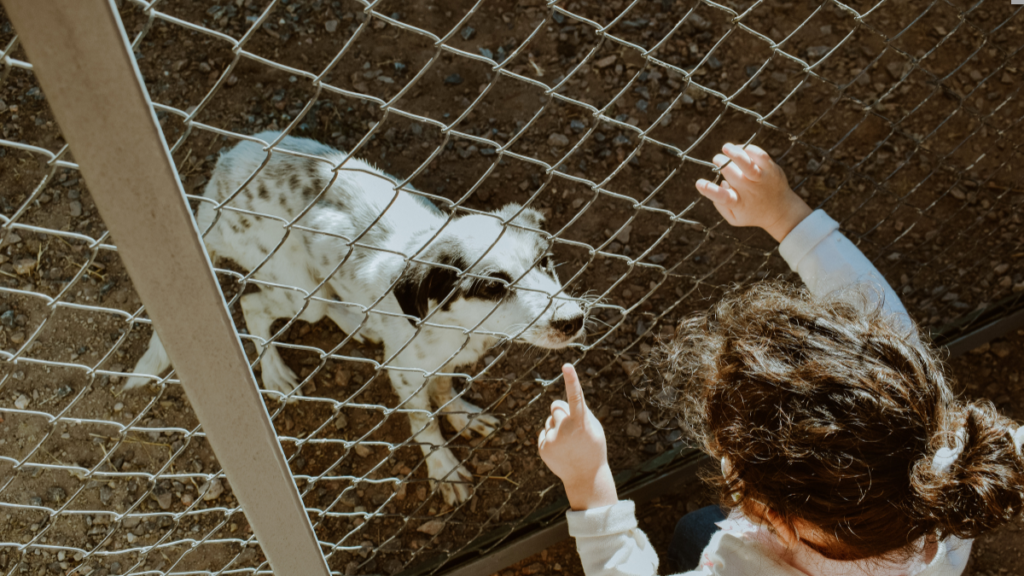
Shyness in dogs is more common than you might think. Some dogs cower behind their owners, some shake at new sounds, and others avoid eye contact or freeze up completely. It can be difficult to help your shy dog open up without pressuring them.
The truth is that learning how to build confidence in shy dogs doesn’t happen by forcing them to be brave. Instead, you need to create an environment of trust, safety, and positive experiences at your dog’s own pace.
Building confidence in shy dogs can seem like a long and difficult road, but with time, consistency, and understanding, any dog can learn to feel safe and confident in the world around them.
Why Do Dogs Become Shy?
The first step to helping a shy dog is understanding why they are shy. There is never any benefit in getting frustrated or punishing a dog for their fear. Shyness often has its roots in fear or insecurity rather than stubbornness or misbehavior.
Reasons Dogs May Be Shy
Inadequate early socialization
A lack of exposure to different people, animals, sounds, and environments during the critical socialization period (3–14 weeks of age) can lead to a fearful adult dog.
Past trauma or negative experiences
Neglect, abuse, or frightening events in a rescue dog or a dog with an unknown background can teach them to fear certain situations or stimuli.
Genetics and temperament
Some dogs are naturally more sensitive or cautious. Certain breeds or bloodlines may be more predisposed to shyness or fearfulness.
Medical issues
Health problems such as pain, hearing loss, or vision loss can make dogs feel vulnerable and more fearful of the world around them.
Environmental changes
Moving to a new home, losing a family member, or major changes in routine can cause dogs to become anxious and less confident.
Understanding the root of your dog’s fear doesn’t mean you can “fix” it overnight, but it allows you to respond with empathy instead of frustration.
How to Recognize a Shy or Insecure Dog
Shyness can look different from dog to dog. Some shy dogs are quiet and withdrawn, while others may respond defensively when put under pressure.
Signs of a Shy or Insecure Dog
-
Avoiding eye contact
-
Hiding behind furniture, objects, or people
-
Carrying a tucked tail or crouched body posture
-
Trembling, freezing, excessive panting, or yawning
-
Refusing treats or avoiding you in new environments
-
Barking or growling out of fear
-
Running away from people, dogs, or unfamiliar situations
Recognizing these signs early can help you avoid pushing your dog beyond their comfort zone and allow you to intervene appropriately.
Why Building Confidence Is Important
Building confidence in a dog doesn’t mean making them bold or fearless. It means helping them feel safe, capable, and secure.
A confident dog is more likely to:
-
Learn new things
-
Enjoy walks and outings
-
Adapt calmly to changes
-
Develop healthy relationships with people and other dogs
-
Experience less stress and anxiety overall
Confidence building improves not only your dog’s emotional well-being but also the bond you share together.
How to Create a Safe and Predictable Environment
Predictability is your shy dog’s best friend. Before exposing them to the outside world, start by creating safety and structure at home.
Establish a Routine
Routine and structure are the foundation of a secure environment. Feed, walk, train, and play at consistent times each day. Shy dogs benefit greatly from knowing what to expect.
Provide a Safe Space
Give your dog a place where they can relax without being disturbed. Whether it’s a crate, dog bed, or quiet corner, this should be a space they can always retreat to and feel safe. Ensure this area is respected by children and visitors.
Avoid Forcing Interaction
Never drag a shy dog toward people or situations they are uncomfortable with. This kind of pressure can worsen fear and damage trust.
Building Trust with Positive Reinforcement
Trust and positive reinforcement go hand in hand. Positive reinforcement focuses on rewarding desired behavior rather than punishing mistakes.
Reward Good Choices
Even small acts of bravery deserve recognition, such as:
-
Looking at something that scares them
-
Taking one step forward toward a fearful situation
-
Sniffing a new object
-
Calmly observing a stranger
Use whatever motivates your dog most—treats, praise, or toys.
Timing Is Everything
Reward immediately after the desired behavior so your dog clearly associates the action with the reward.
Keep Training Short and Fun
Short training sessions (5–10 minutes) prevent overwhelm and keep learning enjoyable.
Socialization at Your Dog’s Own Pace
You can’t force a dog to be social, but you can gently guide them through new experiences.
Controlled Exposure
Start with low-intensity situations and gradually increase difficulty:
-
A quiet street instead of a busy park
-
One calm, friendly dog rather than a group
-
Observing from a distance before approaching
Gradually decrease distance as your dog becomes more comfortable.
Let Your Dog Observe
Dogs learn by watching. Allow your dog to observe people, dogs, and traffic from a safe distance while rewarding calm behavior.
Don’t Overwhelm Your Dog
Avoid flooding your dog with too much stimulation at once. This slow, respectful process is essential to how to build confidence in shy dogs successfully.
Confidence-Building Games and Activities
Play is a powerful confidence-building tool. It allows dogs to problem-solve and succeed in a low-pressure environment.
Nose Work Games
Scent-based activities help dogs feel capable and independent:
-
Hide treats around the house
-
Use snuffle mats
-
Scatter food in the garden
Basic Training Commands
Simple commands such as sit, down, and touch improve communication and give shy dogs a sense of control.
Puzzle Toys
Food puzzle toys encourage problem-solving while reducing anxiety and building self-confidence.
Confidence Walks
Allowing your dog to choose where to walk (within reason) can be empowering and confidence boosting.
Helping Shy Dogs Around People
For many shy dogs, people are the most intimidating part of their environment.
Educate Visitors
Ask visitors to:
-
Ignore your dog at first
-
Avoid direct eye contact
-
Let your dog approach on their own terms
Offer Treats, Don’t Reach
Visitors can gently toss treats on the ground rather than forcing physical contact.
Respect Your Dog’s Choice
If your dog chooses not to interact, that’s okay. Confidence grows when boundaries are respected.
Helping Shy Dogs Around Other Dogs
Dog-to-dog interactions should be carefully managed for shy dogs.
Positive Role Models
Calm, friendly dogs can help shy dogs learn appropriate social behavior.
Parallel Walking
Walking dogs side by side allows them to interact at a comfortable distance without pressure.
Dog Parks
Dog parks are often overwhelming for shy dogs and should only be considered once confidence has improved significantly.
Body Language: Your Energy Matters
Dogs are highly sensitive to human emotions.
Stay Calm
If you tense up, your dog may assume danger is present. Stay relaxed and use a calm voice.
Avoid Over-Comforting
Too much reassurance can unintentionally reinforce fear. Instead, model calm behavior and reward bravery.
Expect and Overcome Setbacks with Patience
Progress with shy dogs is rarely linear. Setbacks are normal.
Ups and Downs
Stressful events, loud noises, or illness can temporarily reduce confidence. This doesn’t erase progress.
Back to Basics
If your dog becomes overwhelmed, return to simpler exercises and move forward slowly again.
Celebrate Small Wins
Every small step forward is worth celebrating.
When to Seek Professional Help
Some cases of shyness require additional support.
Signs You May Need Help
-
Fear that leads to aggression
-
Anxiety that interferes with daily life
-
Progress that stalls despite consistent effort
Certified dog trainers or veterinary behaviorists can provide personalized guidance.
Diet, Exercise, and Health: How They Affect Confidence
Physical health directly impacts emotional well-being.
-
A healthy diet supports brain function
-
Exercise releases endorphins and reduces stress
-
Regular veterinary checkups rule out pain or medical issues
A healthy body supports a confident mind.
Long-Term Confidence Building
Confidence building is a lifelong process.
Continue Introducing New Experiences
As your dog becomes more confident, gently expose them to new environments and activities.
Maintain Training and Play
Ongoing mental stimulation helps sustain confidence.
Strengthen Your Bond
Trust between you and your dog is the foundation of lasting confidence.
Final Thoughts
Helping your shy dog become more confident is one of the most rewarding journeys a pet parent can take. It requires patience, empathy, and a willingness to see the world from your dog’s perspective. By creating a safe environment, reinforcing positive behavior, and respecting your dog’s pace, you give them the tools they need to navigate life with confidence.
There is no shame in being shy. Your dog can still become calmer, happier, and more confident with love and consistency. True bravery doesn’t always roar—it quietly learns to trust.
Save pin for later

- The Cutest Cat Breeds in the World - March 21, 2026
- Black Cat Names That Are as Mysterious and Beautiful as They Are - March 21, 2026
- Did You Know Your Dog Could Have Diabetes? - March 20, 2026