
If you’re a cat owner, one of the best things you can do for your feline friend is learn how to build a cat-friendly home. Although small in size, cats have surprisingly big needs, and their home environment should meet more than just their basic requirements for food, water, and a cozy place to nap.
Cats spend their entire lives inside our homes, and their health, happiness, and emotional well-being depend largely on how that space is designed.
Does your home provide everything your cat loves and needs? There are several important factors to consider—how the space is arranged, how much vertical territory is available, whether there is enough sensory enrichment, and how calm and predictable daily routines are.

Basic Elements of a Cat-Friendly Home
Before moving furniture or buying accessories, it’s important to understand what cats truly need from their environment. Cats are not small dogs; they are independent, territorial, and sensitive to change.
A cat-friendly home should:
-
Support natural feline instincts
-
Provide safety and predictability
-
Offer mental and physical stimulation
-
Include low-stress resting areas
Safety and Predictability: Cat-Proofing Your Home
Safety is the most important foundation of a cat-friendly home. Cats explore with their mouths and paws, which can put them at risk.
Key safety tips include:
-
Secure loose wires and cables with cord protectors
-
Store cleaning products, chemicals, and medications in closed cabinets
-
Remove or secure small objects that could be swallowed
-
Ensure all houseplants are cat-safe, as many are toxic
-
Install window screens or guards to prevent falls
Balconies and open windows require extra attention. Even strictly indoor cats may be tempted by birds or movement outside, which can lead to accidents.
Cat-Friendly Furniture and Materials
Choose sturdy furniture made with non-toxic finishes whenever possible. Avoid splintering wood and fabrics that trap claws tightly enough to cause injury. Washable slipcovers are especially useful for managing fur and occasional messes.
Vertical Space: Think Up, Not Just Out
Cats naturally seek high places. In the wild, height provides safety and control, and the same instinct applies indoors.
Cat Trees and Towers
A quality cat tree offers multiple benefits:
-
Climbing and exercise
-
Scratching surfaces
-
Elevated sleeping spots
-
Personal territory for scent marking
Placing cat trees near windows adds valuable visual stimulation.
Wall Shelves and Steps
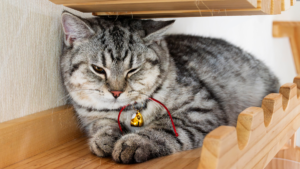
Wall-mounted shelves allow cats to move around without touching the floor. This is ideal for small homes and multi-cat households where cats may want to avoid each other.
Shelves should be:
-
Securely mounted
-
Covered with non-slip surfaces
-
Wide enough for comfortable sitting
Comfortable Resting Areas
Cats sleep 12–16 hours a day and need safe, cozy places to do so.
Variety of Beds
Provide a mix of:
-
Soft beds for deep sleep
-
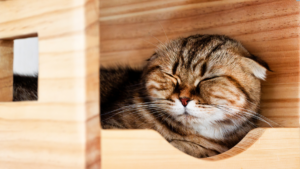
Enclosed beds or caves for privacy
-
Elevated perches for observation
Place beds in quiet areas, but also include one or two social sleeping spots near where you spend time.
Warmth and Sunlight
Cats love warmth. Sunny windowsills, heated beds, or soft blankets near radiators are ideal—just make sure the area isn’t too hot.
Litter Box Setup
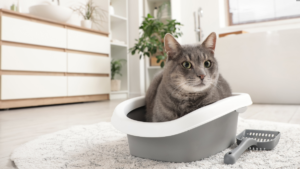
Litter box placement is crucial. Poor setup is a common source of stress and behavioral problems.
Number and Location
The general rule is one litter box per cat, plus one extra. Boxes should be:
-
In quiet, low-traffic areas
-
Easy to access
-
Far from food and water
Cleanliness
Scoop daily and wash boxes regularly with mild, unscented soap. Avoid strong fragrances and heavily scented litter.
Supporting Natural Scratching Behavior
Scratching is a healthy and necessary behavior. Cats scratch to stretch, mark territory, and maintain their claws.
Provide:
-
Vertical scratching posts
-
Horizontal scratchers
-
A variety of textures like sisal, cardboard, or carpet
Place scratchers near sleeping areas and entrances. Reward proper scratching and never punish a cat for scratching furniture.
Feeding Areas
Feeding routines affect stress levels and digestion.
Food and Water Placement
Most cats prefer water placed away from food. Multiple water stations or a fountain can improve hydration.
Feeding Zones
Feed cats in quiet, predictable areas. In multi-cat homes, use separate feeding stations to reduce competition. Puzzle feeders and slow feeders add mental stimulation and help prevent overeating.
Enrichment and Mental Stimulation
A cat-friendly home should also prevent boredom.
Toys and Playtime
Rotate toys regularly and include:
-
Wand toys for interactive play
-
Small toys for chasing
-
Treat-dispensing puzzle toys
Even 10–15 minutes of daily interactive play can significantly reduce stress.
Visual and Sensory Enrichment
Window perches are a favorite. Bird feeders outside windows and occasional cat videos can provide entertainment. Cat-safe herbs like catnip or silvervine can be used occasionally for scent enrichment.

Multi-Cat Households
Homes with multiple cats require additional planning.
Each cat should have access to:
-
Food and water
-
Litter boxes
-
Scratching surfaces
-
Resting places
Spread resources throughout the home and respect individual personalities—some cats are social, while others prefer solitude.
Reducing Stress and Maintaining Routine
Cats thrive on routine. Sudden changes can lead to anxiety.
Aim to:
-
Feed at consistent times
-
Keep furniture layouts stable
-
Introduce changes gradually
During unavoidable changes, provide extra hiding spots and familiar items like blankets or toys.

The Human-Cat Relationship
A cat-friendly home should work for both cats and humans.
Modern cat furniture blends easily with home décor, making it possible to balance style and function. Create shared spaces where your cat can relax near you, such as a perch in the living room or home office, to encourage bonding without pressure.
Long-Term Benefits of a Cat-Friendly Home
The effort you invest will be rewarded with:
-
Reduced stress and anxiety
-
Fewer behavioral problems
-
Better overall health
-
A stronger human-cat bond
Conclusion
Learning how to build a cat-friendly home means viewing your space from a cat’s perspective. By prioritizing safety, comfort, stimulation, and natural behavior, you can create an environment where your cat doesn’t just live—but truly thrives.
You don’t need to change everything at once. Start small, make gradual improvements, and over time your home will become not just cat-friendly, but cat-approved.
Save pin for later

- The Cutest Cat Breeds in the World - March 21, 2026
- Black Cat Names That Are as Mysterious and Beautiful as They Are - March 21, 2026
- Did You Know Your Dog Could Have Diabetes? - March 20, 2026