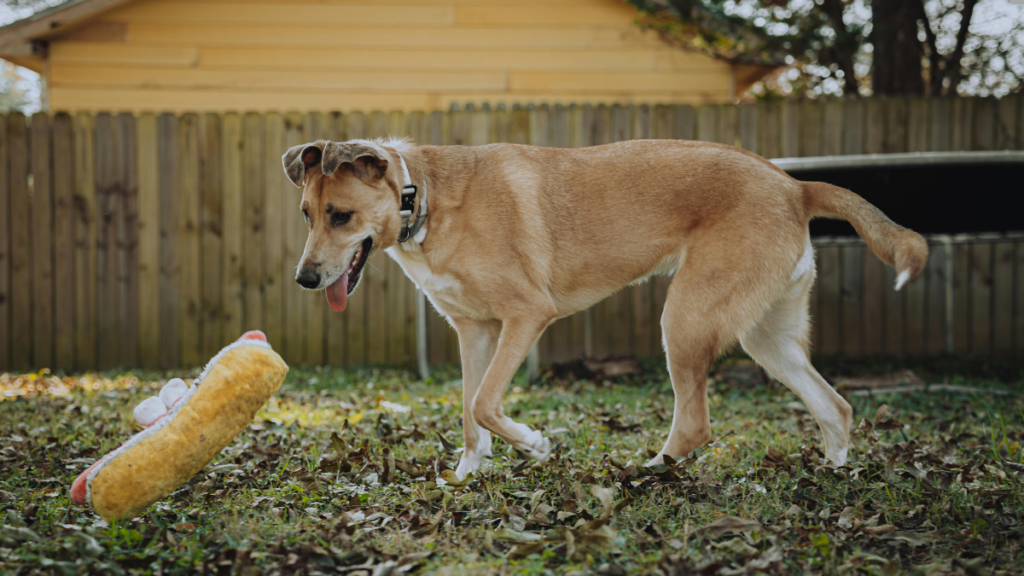
Dogs love to play! Toys keep them mentally stimulated, physically active, and emotionally happy. However, store-bought toys can be pricey, wear out quickly, or contain questionable materials.
Homemade dog toys from household items are a fantastic way to save money while also being eco-friendly.
With a little creativity and some basic supplies you probably already have around the house, you can make safe and fun toys your dog will love. From balls and ropes to interactive puzzles, homemade dog toys can be just as entertaining as any store-bought option.
Why Make Dog Toys at Home?
Before we jump into specific DIY dog toy ideas, let’s discuss why making dog toys at home is a worthwhile endeavor.
1. Cost-Effective
Dog toys can be expensive. When you factor in buying several toys to rotate regularly, the costs can really add up.
Homemade toys created from items around the house are a low- or no-cost solution. Simply reuse and upcycle old materials!
2. Customizable for Your Dog
Every dog is unique. Some prefer soft toys, others enjoy hard chews, and some love interactive puzzles. DIY toys can be tailored to suit your dog’s specific play style and preferences.
3. Mental Stimulation
Interactive homemade dog toys—especially puzzle toys—help keep your dog’s brain active and engaged. Mental stimulation is essential for preventing boredom and destructive behaviors.
4. Eco-Friendly
Making dog toys from repurposed household items reduces waste and gives new life to things that might otherwise be thrown away.
Safety First: What to Know Before You Start
Making DIY dog toys at home can be fun and practical, but safety should always come first.
General Safety Tips
-
Supervise your dog the first few times they play with a homemade toy
-
Avoid small parts that could be swallowed
-
Check toys regularly for damage and discard them if they start falling apart
-
Know your dog’s chewing habits—some dogs are aggressive chewers who destroy toys quickly
Household Items to Avoid
-
Items with sharp edges that could cut your dog
-
Toxic materials (such as certain plastics or treated wood)
-
Rubber bands or strings that could be swallowed
-
Anything coated with chemicals or cleaning residue
Best Household Items for DIY Dog Toys
Many common household items work well for homemade dog toys, including:
-
Old T-shirts and towels
-
Socks (clean and hole-free)
-
Plastic bottles (with labels and caps removed)
-
Tennis balls
-
Cardboard boxes
-
Empty toilet paper or paper towel rolls
-
Old jeans or other sturdy fabric
-
Muffin tins
Easy Homemade Dog Toy Ideas
1. T-Shirt Rope Tug Toy
Best for: Tugging and chewing
Materials needed: Old T-shirt, scissors
How to make it:
-
Cut the T-shirt into long strips
-
Tie the strips together at one end
-
Braid tightly
-
Tie a knot at the other end
Simple, durable, and easy to make, T-shirt tug toys are perfect for interactive play.
2. Sock and Bottle Crunch Toy
Best for: Dogs who love crunchy sounds
Materials needed: Plastic bottle, old sock
How to make it:
-
Remove the bottle cap and label
-
Insert the bottle into the sock
-
Tie a knot at the open end
The crunchy sound keeps dogs engaged, while the sock softens the chew.
3. Denim Chew Toy
Best for: Moderate chewers
Materials needed: Old jeans, scissors
How to make it:
-
Cut the denim into thick strips
-
Stack the strips and braid them together
-
Knot tightly on both ends
Denim is thicker and tougher than cotton, making it a longer-lasting option for dogs who love to chew.
4. Tennis Ball Treat Puzzle
Best for: Mental stimulation
Materials needed: Tennis ball, knife, treats
How to make it:
-
Cut a small slit in the tennis ball
-
Insert treats
-
Give it to your dog and let them figure it out
Treat puzzles encourage problem-solving and help slow down fast eaters.
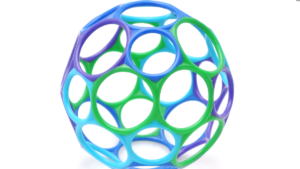
5. Muffin Tin Brain Game
Best for: Curious dogs
Materials needed: Muffin tin, tennis balls, treats
How to make it:
-
Place treats in some of the muffin cups
-
Cover each cup with a tennis ball
-
Let your dog sniff and uncover the treats
This simple and effective game is a great indoor activity for rainy days or bad weather.
Interactive Puzzle Toys Using Household Items
Mental exercise is just as important as physical activity for your dog’s overall well-being. Puzzle toys help keep your dog’s brain engaged while reducing boredom and anxiety.
6. Cardboard Box Treasure Hunt
Best for: Nose work and enrichment
Materials needed: Cardboard box, paper, treats
How to make it:
-
Place treats inside the box
-
Add crumpled paper for extra challenge
-
Close the box loosely and let your dog explore
Always supervise your dog to ensure they don’t ingest cardboard.
7. Towel Roll Treat Dispenser
Best for: Gentle chewers
Materials needed: Towel, treats
How to make it:
-
Spread treats on the towel
-
Roll the towel tightly
-
Tie loose knots if needed
This puzzle toy encourages your dog to use their nose and problem-solving skills.
Chew Toys for Teething Puppies
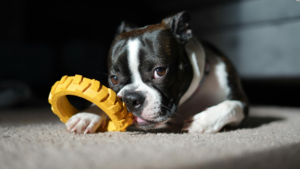
Puppies need appropriate chew toys to soothe sore gums and emerging teeth.
8. Frozen Towel Chew
Best for: Teething puppies
Materials needed: Clean towel, water
How to make it:
-
Wet the towel and twist it
-
Freeze for a few hours
-
Give it to your puppy under supervision
The cold helps soothe inflammation while satisfying chewing needs.
Fetch Toys Made at Home
Fetch is always a favorite game for dogs, and you can easily make fetch toys using household items.
9. Braided Sock Ball
Best for: Fetch and light chewing
Materials needed: Several socks
How to make it:
-
Roll the socks into a ball
-
Secure with additional socks wrapped tightly around the ball
This toy is soft and safe for indoor or outdoor fetch.
10. Recycled Water Bottle Fetch Toy
Best for: Dogs who love noise
Materials needed: Bottle, fabric
Wrap the bottle in fabric or place it inside a sock to add a fun crunching sound during fetch.
Benefits of Homemade Dog Toys Beyond Play
Making dog toys at home offers benefits beyond simple entertainment.
Strengthens Your Bond
Interactive play with toys you’ve made helps build trust and strengthen the bond between you and your dog.
Reduces Anxiety
Mental stimulation from puzzle toys can reduce stress and destructive behaviors, especially in dogs left alone for periods of time.
Encourages Problem-Solving
Puzzle toys challenge your dog’s brain and improve focus, attention, and problem-solving skills.
How Often Should You Rotate Toys?
Toy rotation keeps dogs interested and helps prevent boredom. Rotate homemade dog toys every few days to maintain novelty.
Store unused toys out of sight—such as in a closet or cabinet—and swap out a few toys at a time.
Cleaning and Maintenance Tips
Fabric dog toys are often machine washable. Plastic toys made from bottles should be replaced once crushed or damaged.
Inspect toys regularly for loose threads, tears, or other hazards, and discard toys that are no longer safe.
When Homemade Toys May Not Be Ideal
DIY dog toys may not be appropriate for:
-
Extreme power chewers
-
Dogs who swallow fabric or toy pieces
-
Unsupervised play with highly destructive dogs
In these cases, high-quality commercial toys designed for durability may be safer.
Final Thoughts
Homemade dog toys from household items are a rewarding, affordable, and environmentally friendly way to keep your dog entertained. With just a few simple materials and a little creativity, you can provide hours of safe and engaging playtime.
These toys save money and allow you to tailor play experiences to your dog’s preferences. Whether it’s a T-shirt rope tug toy, a muffin tin puzzle game, or a crunchy bottle toy wrapped in fabric, your dog will appreciate the effort—and the fun.
Save pin for later

- The Cutest Cat Breeds in the World - March 21, 2026
- Black Cat Names That Are as Mysterious and Beautiful as They Are - March 21, 2026
- Did You Know Your Dog Could Have Diabetes? - March 20, 2026