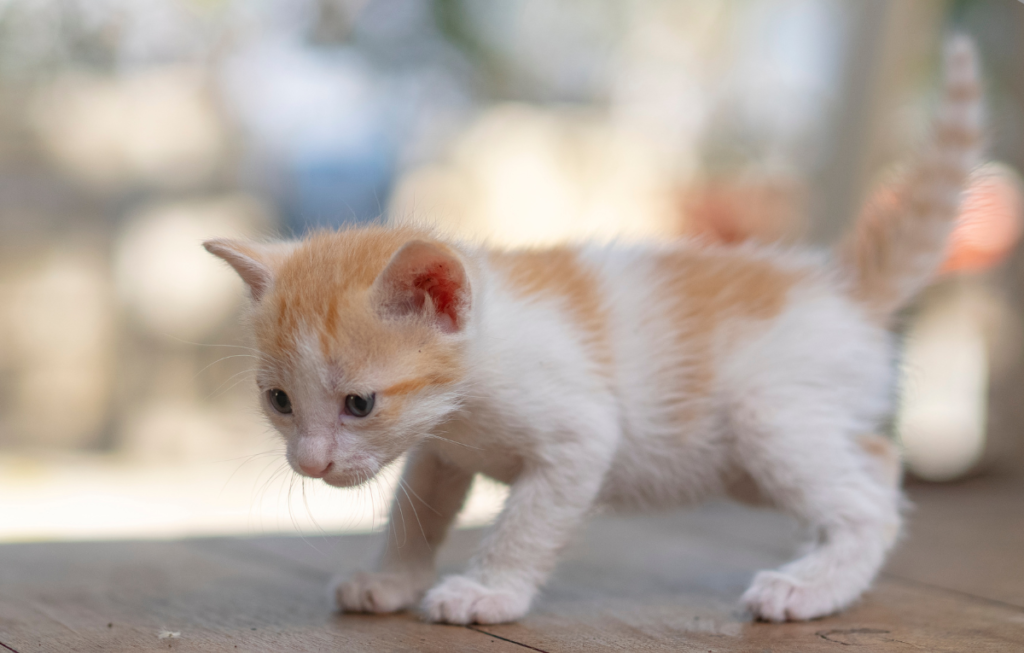
If you’re a cat owner like me, you’ve probably realized cats aren’t very quiet creatures. They “talk” all the time using sneaky non-verbal signals. Cat tail movements are some of the most powerful.
Ever since I realized my cat’s tail was trying to tell me things, I started watching it carefully. It turns out each flick, curve, twitch, and position sends an entirely different message.If you know how to read these signals, you can understand your cat at almost any moment.
Below are 10 secret tail signals your cat is constantly sending.
1. Tail Straight Up = Happy and Confident
Cats walking toward you with their tails held vertically are showing a very good sign. It’s my favorite greeting from my cat whenever I come home from work.
What this position usually means:
-
Your cat feels safe
-
They are happy to see you
-
They feel confident in their surroundings
Your cat may also slowly curl the tip of their tail like a question mark. Cats do this when they want to show they are friendly and curious.
All in all, your cat is basically waving and saying, “Hi!” A tail held high is a very good sign.
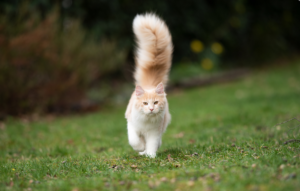
2. Tail Curled into a Question Mark = Playful Mood
You’ll notice your cat slowly curves their tail when they’re feeling playful. This position looks like a question mark or a loose hook curling over their back.
When my cat does this, they’re usually seeing a toy they want to play with or stalking something across the room.
A tail curved into a question mark usually means:
-
Your cat is feeling curious
-
They want to play with you
-
They feel comfortable around you
So go get your cat a toy and play with them! Playing together is great for building trust.
3. Puffing Up Tail = Fear or Defense
If you watch your cat’s tail closely, you’ll notice it can dramatically increase in size. When cats puff up their tails, their fur stands up and creates a fluffy bush.
Cats puff up their tails when they are:
-
Afraid
-
Surprised
-
Feeling threatened
When my cat does this, I know they want me to back off. Suddenly their whole body looks twice as large as it really is.
If you see this signal from your cat, it’s time to back off and give them space to calm down.
4. Tail Wrapped Around You = Showing Affection
Ever notice how cats like to wrap their tails around your legs when you’re standing or sitting? It might not seem like much, but that’s actually how cats show affection.
When cats wrap their tail around you, it’s like they are hugging you.
Whenever my cat wraps their tail around me, it feels like a small moment of bonding between us. It means your cat trusts you and feels emotionally comfortable around you.
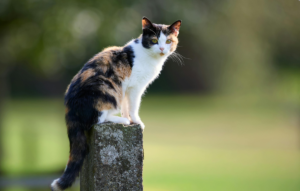
5. Slow Tail Swishing = Concentration or Mild Irritation
A tail swishing slowly from side to side can mean multiple things depending on the situation. Usually, a cat will slowly swish their tail when they are concentrating or mildly irritated.
Things that can cause slow tail swishing include:
-
Focusing on something
-
Mild irritation
-
Heightened awareness
My cat does this whenever they sit and watch birds through the window. You can tell they are paying intense attention to what’s happening.
However, if you’re petting your cat and they start slowly swishing their tail, it may mean they’re getting annoyed. Respect this signal and avoid pushing your luck, or they may bite or scratch you.
6. Fast Tail Flicking = Irritation or Anger
Quick back-and-forth tail flicks mean your cat is starting to get irritated or angry. You should stop what you are doing immediately if your cat does this.
Your cat is feeling:
-
Irritable
-
Overstimulated
-
Angry
I never ignore this warning signal because my cat will scratch me if I do. When cats rapidly flick their tails, they are telling you to stop right away.
Stop petting them, leave them alone, or stop whatever you were doing. Give the cat space and they should calm down.
7. Tail Tucked Between Legs = Anxiety or Submission
If you see your cat walking around with their tail tucked under their body, that isn’t a good sign. This position usually means they’re nervous or trying to submit.
Common situations that cause this behavior include:
-
New surroundings
-
Meeting new people
-
Feeling threatened
The reason cats tuck their tails is to make themselves appear smaller. It also protects their anal area, which is a sensitive part of their body.
When my cat does this, I usually stop whatever I’m doing and leave them alone. Cats will take as much time as they need to feel comfortable again.
8. Tail Quivering While Upright = Excitement
When cats are excited or happy, you’ll often notice their tail quivering. This usually happens while the tail is in an upright position.
Things that might make your cat twitch their tail include:
-
You coming home
-
Feeding time
-
Someone your cat likes approaching
You might even catch your cat’s tail vibrating quickly for a few seconds before they run over to greet you. They simply become too excited to stay still.
Tail quivering while upright is one of the most positive cat tail movements you can see. It usually means your cat is extremely happy or excited about something.
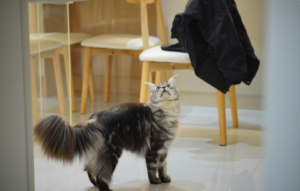
9. Tail Wrapped Around Themselves = Relaxed
Lastly, if you see your cat wrap their tail around themselves while sitting down, it usually means they’re relaxed. This is a neutral position that cats often sit in.
You’ll see your cat do this when they’re:
-
Just relaxing
-
Watching the world around them
-
Calm but ready to spring into action
When my cat sits like this, they’re usually just watching whatever is going on around them. It’s a very relaxed state for them.
10. Tail Lashing = Extremely Agitated
If you see your cat’s tail forcefully lashing back and forth, your cat is extremely agitated. While slow tail swishing can mean irritation, this movement is on another level.
Reasons cats lash their tails include:
-
Feeling threatened
-
Being extremely annoyed
-
Preparing to fight
Stop whatever you are doing if you see this movement. Your cat may be preparing to react defensively if you continue interacting with them.
Try not to scare your cat, and they should return to normal eventually.
Why Cat Tail Language Is Crucial to Understanding Them
Cats depend on body language to communicate since they can’t verbally speak to us. They use a combination of:
-
Tail movements
-
Ear position
-
Eye contact
-
Body posture
-
Vocalizations
…to create unique signals that tell us exactly how they feel.
The tail is easily the most noticeable part of these signals. Once I started paying attention to how my cat moved their tail, I learned a lot.
Reading cat tail movements can help you:
-
Avoid conflict with your cat
-
Identify stress or fear
-
Build trust with your cat
-
Care for them on an emotional level
Learning how to interpret your cat’s tail is like learning a new language.
They’ll never speak English to you, but that doesn’t mean they aren’t communicating with you every day.
How to Interpret Tail Movements Based on Context
While you now know what many cat tail movements mean, you shouldn’t interpret them alone. Context is everything, and tail signals can mean slightly different things depending on the situation.
For example:
Tail swishing while playing = Excited
Tail swishing while being petted = Irritated
To better understand your cat, watch their:
-
Ear positions (are they forward or flattened?)
-
Eye shape (wide or relaxed?)
-
Body language (rigid or loose?)
Taking in all of your cat’s signals together will help you understand them on a deeper level.
Tips to Improve Your Relationship With Your Cat
Learning how to read your cat’s body language is key to better communication. Once you understand what your cat is trying to say, you can:
-
Practice setting healthy boundaries
-
React to their needs sooner
-
Provide them with a safe environment
Let your cat know you care by understanding what they’re trying to tell you. They’ll sense that you’re paying attention and may become more open and trusting.
Once my cat realized I was listening to them, our relationship improved greatly.
Conclusion
While cats may not have the ability to talk to us, they are always communicating. Their tails are a powerful form of body language, and they use them to express emotion.
Feelings like happiness, fear, curiosity, irritation, and many others are revealed through tail positions and movements.
Learn what your cat is trying to tell you with these hidden tail signals. You might be surprised how much cats reveal through seemingly small tail cues.
Save pin for later

- 5 Surprising Things Dogs Understand About Humans - March 7, 2026
- 9 Strange Signs Your Dog Trusts You - March 7, 2026
- 10 Strange Things Cats Do When They Love You - March 7, 2026