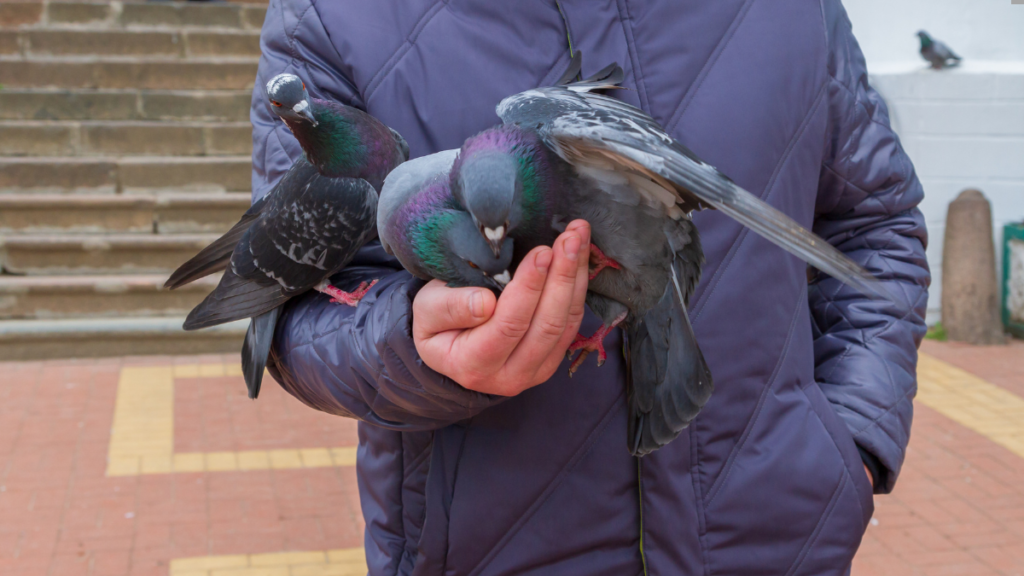
Birds are intelligent, curious, and social animals. As pets, they require more than just food and a cage to be happy and healthy. They need mental stimulation, physical exercise, and bonding with their owners to truly thrive. Fun Training Games for Birds are a great way to provide all of these benefits while also enjoying quality time together.
Whether you have a parrot, budgie, cockatiel, lovebird, or any other pet bird, this article will help you turn training time into fun time for both of you.
Why Training Games Are Important for Birds
1. Mental Stimulation
Birds are among the most intelligent animals in the world. In the wild, they spend much of their time exploring their environment, foraging for food, solving problems, and interacting with flock mates. In captivity, however, their lives can become dull and repetitive if they are not mentally stimulated.
Training games keep their minds active and engaged. This prevents boredom and strengthens their problem-solving abilities.
2. Physical Exercise
In addition to mental stimulation, training games also encourage physical activity. Birds can become overweight and unhealthy if they do not move around enough. Many training games require birds to fly short distances, climb, reach for objects, or manipulate toys.
This helps them stay fit and prevents obesity and muscle weakness.
3. Behavioral Improvement
Birds that are bored or stressed may develop behavioral problems such as screaming, feather plucking, biting, or aggression. Fun games help reduce stress and provide a healthy outlet for excess energy.
Training games can also teach positive behaviors that replace unwanted ones.
4. Stronger Bond with Owners
Training games are an excellent way to build trust between you and your bird. When your bird associates you with fun, rewards, and positive experiences, your relationship naturally becomes stronger.
Spending bonding time learning new skills together is both valuable and enjoyable.

Understanding Your Bird Before You Start
Before starting any training games, it is essential to understand your bird’s personality, species, and comfort level. This knowledge will help you choose appropriate games and train your bird more effectively.
Know Your Bird’s Personality
Birds have unique personalities, just like people. Some are bold and adventurous, while others are shy and cautious. It is important to work at your bird’s comfort level. Start with simple games and never force a bird to play if it does not want to.
Choose the Right Time
Birds learn best when they are relaxed and alert. Avoid training sessions when your bird is hungry or sleepy, and choose times when it is calm and attentive.
Short sessions of 5–10 minutes, several times a day, are usually ideal.
Use Positive Reinforcement
Rewarding good behavior with treats, praise, or affection is the most effective way to train birds. Never punish a bird, as this can damage trust and slow the learning process.
Getting Started with Training Games
Basic Supplies You’ll Need
-
Bird-safe, healthy treats (small seeds, fruit pieces, or pellets)
-
Simple toys (paper cups, bells, paper, blocks)
-
A quiet, safe training area
-
Patience and consistency
Safety First
Always ensure that toys, objects, and surfaces are bird-safe before introducing them into playtime. Avoid sharp edges, toxic materials, and items small enough to be swallowed.
Easy Fun Training Games for Beginners
1. Target Training
Target training is one of the easiest and most effective games to begin with.
How it works:
-
Use a stick, pen, or your finger as a target.
-
Hold it near your bird.
-
When the bird touches it with its beak, reward it immediately.
Benefits:
-
Improves focus
-
Builds confidence
-
Serves as a foundation for advanced tricks
2. Step-Up Game
This classic training game teaches a bird to step onto a finger or hand.
How it works:
-
Gently press your finger against the bird’s lower chest.
-
Say, “Step up.”
-
Reward the bird when it steps onto your hand.
Benefits:
-
Builds trust
-
Makes handling easier
-
Useful for daily care
3. Name Recognition Game
Teaching your bird to recognize its name is both fun and useful.
How it works:
-
Say your bird’s name clearly.
-
Reward it when it looks at you, chirps, or responds in any way.
Benefits:
-
Strengthens communication
-
Builds attention skills
Interactive and Advanced Training Games
Once your bird is comfortable with basic training games, you can move on to more interactive and challenging activities. This is where Fun Training Games for Birds truly shine, offering a wide range of opportunities for learning, play, and creativity.
4. Foraging Games
Foraging games stimulate a bird’s natural instinct to search for food.
Ideas:
-
Hide small treats in paper cups or containers.
-
Wrap food in paper or leaves to create a puzzle.
-
Use commercial foraging toys or make your own.
Benefits:
-
Keeps birds busy for longer periods
-
Reduces boredom
-
Encourages problem-solving and exploration
5. Color or Shape Matching
Some bird species can learn to recognize colors and shapes.
How it works:
-
Use colored blocks or cards.
-
Reward the bird when it touches or pecks at a specific color.
Benefits:
-
Enhances cognitive skills
-
Provides mental stimulation
6. Ring Toss Game
Ring toss is a popular training game for parrots and larger birds.
How it works:
-
Train the bird to pick up a ring.
-
Encourage it to place the ring on a peg or stand.
-
Reward each successful attempt.
Benefits:
-
Improves coordination and patience
-
Strengthens focus and concentration
Physical Games That Encourage Movement
7. Recall Training (Come When Called)
Recall training is both practical and enjoyable.
How it works:
-
Start with short distances.
-
Call the bird’s name.
-
Reward the bird when it comes to you.
Benefits:
-
Strengthens trust
-
Improves flight control for flighted birds
8. Obstacle Courses
Simple obstacle courses are a fun way to keep birds active.
Ideas:
-
Use perches, ladders, ropes, and boxes.
-
Encourage the bird to climb, step over objects, walk across ropes, and navigate obstacles.
Benefits:
-
Provides physical exercise
-
Builds confidence
-
Keeps birds engaged
Games That Encourage Talking and Sounds
9. Sound Imitation Game
Many bird species enjoy imitating sounds and human speech.
How it works:
-
Repeat a word or sound clearly and slowly.
-
Reward attempts to copy it.
Benefits:
-
Enhances vocal skills
-
Improves bonding with owners
10. Music and Rhythm Games
Some birds enjoy music and rhythm-based activities.
Ideas:
-
Clap in different patterns for the bird to mimic.
-
Play gentle music and encourage movement.
Benefits:
-
Stimulates creativity
-
Reduces stress and anxiety
Training Games for Small Birds
Small birds such as budgies, finches, and lovebirds enjoy training games, but sessions should be short and gentle since they tire easily.
Suitable training games include:
-
Target training
-
Paper foraging games
-
Simple step-up training
-
Ring tossing
Training Games for Large Birds
Larger birds such as macaws, African greys, and cockatoos require more complex and challenging games.
Suitable training games include:
-
Puzzle toys
-
Advanced trick training
-
Problem-solving activities
-
Interactive play with owners
These birds are highly intelligent and need substantial mental stimulation.
Common Mistakes to Avoid
-
Training too long: Keep sessions short and enjoyable.
-
Using unhealthy treats: Always choose nutritious options.
-
Forcing participation: Never force a bird to play or train.
-
Inconsistency: Train regularly for best results.
-
Ignoring body language: Stop if your bird appears stressed or tired.
How Often Should You Play Training Games?
Ideally, training games should be played daily or at least several times a week. Even 10–15 minutes per day can make a noticeable difference. Rotate games to keep your bird interested and motivated.
Long-Term Benefits of Training Games
Birds that regularly engage in training games are typically more confident, better behaved, and more strongly bonded with their owners. They also tend to be mentally and physically healthier. This is why many bird owners and trainers recommend incorporating Fun Training Games for Birds into daily routines.
Final Thoughts
Training games are a wonderful gift to give your pet bird. They transform learning into play and strengthen the bond between you and your feathered companion. Whether you are teaching a simple step-up or an advanced trick, patience, positivity, and consistency are the keys to success.
By offering a variety of Fun Training Games for Birds, you can help your bird live a happier, healthier, and more fulfilling life. Start today, celebrate progress, and most importantly—have fun along the way!
Save pin for later

- The Cutest Cat Breeds in the World - March 21, 2026
- Black Cat Names That Are as Mysterious and Beautiful as They Are - March 21, 2026
- Did You Know Your Dog Could Have Diabetes? - March 20, 2026