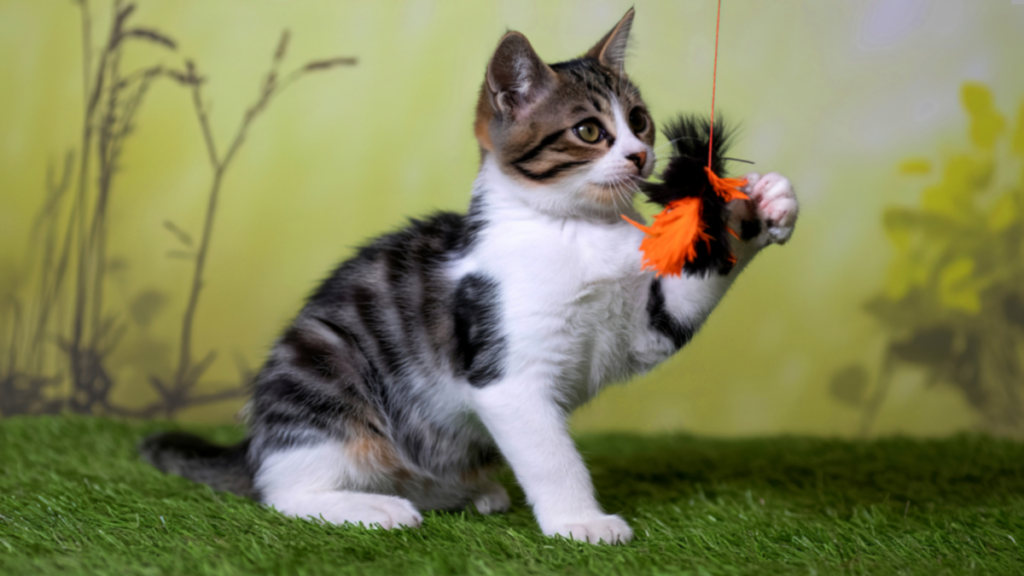
If your cat’s favorite hobbies include lounging on the sofa, staring out the window, and devouring gourmet cat food from her fancy bowl, she may seem far removed from her wild ancestors.
But take a closer look at your cat at play, and you’ll discover a feisty little predator. Instincts for stalking, chasing, pouncing, and capturing prey are hardwired into the DNA of every cat. If left unstimulated, your cat can become bored, stressed, overweight, and even develop behavioral issues.
Fun Hunting Games for Cats are not just a diversion—they are essential enrichment that contributes to a cat’s health and happiness.
Why Hunting Games Are Important for Cats
Cats Are Natural Predators
Despite their cozy indoor lifestyles, your fluffy tabby or sleek Siamese can trace her lineage back to fierce wildcats who stalked, pounced, and ambushed prey.
In the wild, cats devote up to half their day to hunting, even if they aren’t hungry. Domestic cats don’t have these natural outlets, so hunting games provide a crucial substitute.
Mental Stimulation
Boredom can lead to restlessness and frustration in cats. Interactive play is a great way to provide mental stimulation and enrichment.
Physical Exercise
Cats need regular physical activity to maintain a healthy weight, build muscle tone, and support joint health. Hunting games are a form of high-intensity interval training (HIIT) that is perfect for felines.
Emotional Satisfaction
Cats experience a sense of satisfaction and achievement when they “catch” a toy. Hunting games reduce anxiety and frustration in indoor cats who lack environmental stimulation.
Understanding the Hunting Sequence
The typical hunting sequence follows four steps:
-
Watch – Cat notices prey or prey-like movement.
-
Stalk – Slow, focused movement toward the target.
-
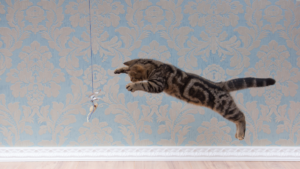
Chase – Sudden burst of speed.
-
Pounce – Attack on the prey.
Good play sessions should take your cat through the full cycle. Never end play without a “catch,” as this can leave cats frustrated and annoyed.
Interactive Wand Toys
Wand toys are among the best cat games because they are simple, highly interactive, and mimic prey animals perfectly.
Why Wand Toys Work
Wand toys imitate the look and movement of birds, insects, or small animals with dangling feathers or strings. This instantly triggers your cat’s prey drive.
Effective Wand Play Techniques
-
Move the toy slowly at first to simulate stalking, then vary speed and direction.
-
Hide the toy periodically to mimic escape attempts.
-
Allow your cat to pounce and “catch” the toy at the end of the play session.
Safety Tips
Always supervise your cat while playing with wand toys and store them out of reach when not in use.
Laser Pointer Games
Laser pointers are popular because they are easy for people and highly motivating for cats.
Benefits of Laser Play
Laser games encourage sprinting, jumping, and sharp turns. They are ideal for cats that need to lose weight or burn off extra energy.
Important Warning
Never end a laser play session without giving your cat a chance to capture a toy or treat. The inability to “catch” the laser can be very frustrating.
Laser play works best as part of a well-rounded routine with other Fun Hunting Games for Cats, especially for active, high-energy felines.
Puzzle Feeders for Hunting Fun
Puzzle feeders are a great way to incorporate hunting into your cat’s feeding routine.
How Puzzle Feeders Mimic Hunting
A puzzle feeder requires your cat to perform tasks or manipulate objects to reach their food. This replicates the effort required to catch prey in the wild.
Benefits of Puzzle Feeders
-
Slows down fast eaters
-
Combats boredom
-
Encourages problem-solving
-
Provides mental enrichment
Popular Puzzle Feeders
-
Rotating treat balls
-
Sliding compartment feeders
-
DIY cardboard puzzles
Puzzle feeders are especially useful for cats who spend long periods alone during the day.
Hide-and-Seek Games
Hide-and-seek games appeal to cats’ love of ambush play.
How to Play Hide-and-Seek
-
Hide toys under furniture, inside boxes, or behind objects.
-
Gently toss toys so they “disappear.”
-
Let your cat search and pounce.
Favorite Toys for Hide-and-Seek
-
Crinkle balls
-
Soft plush mice
-
Lightweight fabric toys
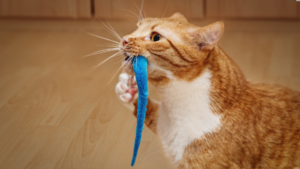
Hide-and-seek play stimulates stalking and pouncing instincts while keeping your cat mentally engaged.
Box and Tunnel Games
Never underestimate the power of cardboard boxes. Boxes and tunnels provide inexpensive ways to stage ambush games.
Why Cats Love Boxes
Boxes provide hiding places, ambush spots, and opportunities for stalking “prey.”
Fun Box and Tunnel Ideas
-
Throw toys into boxes for your cat to find
-
Use wand toys near tunnel entrances
-
Create box mazes for exploration
Bird Watching and Scent Enrichment
Indoor cats can enjoy elements of the outdoors through visual and scent stimulation.
Bird Watching Stations
Place a cat perch by a window where birds or squirrels are visible. This provides entertainment and stimulates hunting behavior.
Scent Enrichment
Use cat-safe scents such as silvervine or catnip to refresh toys and encourage play. Combining sensory stimulation with movement games offers a rich, satisfying experience for your cat.
Playing with Multiple Cats
Hunting games can also help multi-cat households encourage positive interactions.
Group Play Guidelines
-
Use multiple toys to avoid competition.
-
Don’t force shy or less dominant cats to participate.
-
Monitor for signs of overstimulation or aggression.
Some cats enjoy cooperative play, while others prefer to hunt solo. Respect each cat’s comfort level.
Play Schedule
Most cats benefit from 2–3 play sessions per day, lasting 10–15 minutes each. Kittens may need more frequent play, while senior cats may prefer shorter sessions.
Play is most effective at dawn and dusk, when cats are naturally more active. Playing before meals can also simulate the natural hunt-eat-rest cycle.
A consistent play schedule helps reduce nighttime zoomies and unwanted behaviors.

How to Tell if Your Cat Is Enjoying a Game
Positive Signs
-
Intense focus on the toy
-
Tail flicking or twitching
-
Crouching and stalking
-
Purring at the end of play
Warning Signs
-
Flattened ears
-
Hissing or growling
-
Sudden disinterest or withdrawal
End play immediately if warning signs appear, and always conclude with a “win” so your cat feels successful.
Common Mistakes to Avoid
Even well-meaning owners can unintentionally sabotage play sessions.
-
Don’t use your hands as toys – this can lead to biting.
-
Don’t abruptly end play – cats need to “catch” something to feel satisfied.
-
Don’t overstimulate a tired cat – watch for cues to stop before unwanted behaviors appear.
-
Supervise all toys – unattended toys can be swallowed or cause injuries.
Avoiding these pitfalls ensures play remains safe and enjoyable.
Benefits of Hunting Games for Cats
Physical Health
-
Weight control
-
Muscle tone
-
Joint mobility
Mental and Emotional Health
-
Stress reduction
-
Prevents boredom-related behavior issues
-
Strengthens the human-cat bond
Consistent hunting-style play should be an important part of your cat’s daily routine.
Final Thoughts
Domestic cats may no longer need to hunt for survival, but their predatory instincts remain strong.
The next time your cat takes aim and launches herself across the room to “hunt,” know that it’s not just play—hunting is instinctive enrichment, high-intensity exercise, and emotional gratification all rolled into one.
Whether you use wand toys, apps, puzzle feeders, DIY games, or inventive indoor hideouts, consistency is key. Observe your cat’s preferences and adapt games to suit their age, breed, and energy level, ensuring a healthy, happy, and engaged feline.
Save pin for later

- The Cutest Cat Breeds in the World - March 21, 2026
- Black Cat Names That Are as Mysterious and Beautiful as They Are - March 21, 2026
- Did You Know Your Dog Could Have Diabetes? - March 20, 2026