
Don’t let fleas bite! Learn how to control fleas quickly and easily!
Oh sure, fleas may be small. And they may be pesky. But that doesn’t mean flea control has to be difficult! Learn all about fleas, why flea control is so challenging, what flea control products actually work, and what steps you should take to gain the upper hand on these nasty parasites.
Whether you’re trying to take care of an existing flea problem or simply prevent fleas from becoming an issue in the first place, Effective and Practical Flea Control Strategies for Your Home will teach you how to control fleas using terms you can understand and instructions you can follow.
Getting to Know Your Enemy
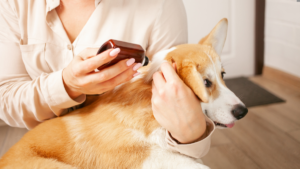
The first step in understanding flea control is getting to know fleas. Fleas are parasites that feed on the blood of mammals and, occasionally, birds. They are wingless and move by jumping. Adult fleas prefer areas with higher humidity and warmer temperatures. When feeding, adult females lay about 40 eggs per day. These eggs fall off the host into carpets, rugs, pet bedding, furniture, and cracks in floors and foundations.
Did you know that at any given time, only 5% of your flea population is found on your pet? The rest are eggs, larvae, and pupae living in your house and yard. Because of this, you must treat both your pet and your home to get the problem under control.
Signs You Have Fleas
Fleas can be hard to detect until they’ve become a serious problem. Signs that you might have fleas include:
-
Pets biting, scratching, and licking themselves more than usual
-
Red bites on the ankles and legs of humans
-
Tiny black dots in your pet’s fur or bedding
-
Animals with irritated or itchy skin
-
Small, dark bugs moving quickly through carpets or on your pet
Detecting fleas before they become overwhelming is key to controlling them. However, if you do have a large flea problem in your home, don’t worry—it can be fixed!
Why Flea Control Is So Difficult
Okay, so you bought one of those flea control products. You used it exactly as the label instructed. But you still have fleas. What gives?
Fleas aren’t invincible. They can be controlled. It’s true that fleas are persistent, but with a little know-how, your flea problems can be a thing of the past.
The issue is that when most people see fleas in their home or on their pets, they treat only the animal. Sometimes they treat the house. But what about the yard? To do a thorough job of flea control, you must treat three different areas:
-
Your pets
-
Your house
-
Your yard
Once you treat all of these areas, you cut off the flea life cycle and finally see results.
Step 1: Treatment of Pets
The first step to controlling fleas is making sure your pets are protected. This includes dogs, cats, birds, and any other household pets that may come into contact with fleas.
Pick the Right Product
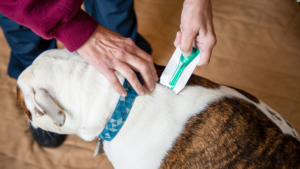
There are several types of flea control products available for pets, including:
-
Topical flea treatments
-
Oral flea medications (must be prescribed by your vet)
-
Flea collars
-
Flea shampoos
Many products are made specifically for either dogs or cats—but not both. Always read product labels carefully to avoid serious injury or death caused by improper use.
Stay With It
This step cannot be stressed enough. Every flea control product instructs you to use it for at least a month. Why? Because if you stop too soon, any unhatched eggs will hatch, and you’ll be right back where you started.

Step 2: Clean & Treat Your House
You do not need to buy every bug spray known to man to control fleas in your home. However, you do need to be diligent with cleaning.
Vacuum, Vacuum, Vacuum
Vacuuming is one of the most effective ways to control fleas in your home. Give special attention to:
-
Carpets and rugs
-
Furniture
-
Baseboards and corners
-
Pet beds and blankets
Vacuum daily until the problem is under control. Dispose of vacuum bags after each use, or empty the vacuum contents into a sealed bag and discard it immediately.
Wash Items in Hot Water
Wash pet bedding, blankets, pillow covers, and similar items in hot water. Heat kills fleas at every stage of development.
Spot Treat Your Home
If necessary, use flea sprays or powders designed for indoor use. Apply them to carpets, rugs, and furniture, but never apply these products directly to your pets.
And there you have it—no need to fumigate your home to control fleas.
Step 3: Yard Work
Believe it or not, flea control doesn’t stop at your front door. Outdoor areas matter, too. Pay special attention to:
Shady Areas
Fleas prefer cool, shaded areas. Inspect places such as:
-
Under decks, fences, bushes, and trees
-
Around dog houses or outdoor pet beds
Keep Things Trimmed
Keeping your lawn mowed and debris cleared helps reduce flea habitats. Remove leaf piles and clutter—fewer hiding spots mean fewer fleas.
Treat Your Yard
Many products, both natural and chemical, are available to help control outdoor flea populations.

Natural vs. Chemical Flea Repellents
Should you use natural flea control products? It depends. Natural solutions can help manage flea populations, but they may not be strong enough for severe infestations.
Chemical products can also be very effective. When used as directed, most are safe for your pets, family, and lawn.
Use Common Sense
A combination of natural and chemical flea control methods often works best for long-term results.
Preventing Fleas
Once your home is flea-free, the goal is to keep it that way.
Continue Regular Treatment
Depending on where you live, year-round flea prevention for pets may be recommended.
Stay Clean
Regular vacuuming and frequent washing of pet bedding reduce the chances of fleas returning.
Be Observant
Check your pets’ fur regularly for signs of fleas. Catching a problem early makes treatment much easier.
Preventing fleas is all about staying one step ahead of the flea population around your home.
Mistakes to Avoid When Controlling Fleas
Avoid these common flea control mistakes:
-
Treating your pet but not your house
-
Treating your house but not your pet
-
Using dog flea products on cats
-
Using cat flea products on dogs
-
Stopping treatment too soon
-
Ignoring your yard
Follow these tips, and you’ll be flea-free in no time.

What About Multiple Pets?
If you have more than one pet, you must treat all of them at the same time. Do not wait until fleas appear on every animal.
Fleas will move from one pet to another if given the chance, so consistent treatment is essential.
When to Seek Professional Help
If you’ve tried everything and still can’t control your flea problem, it may be time to call a professional. Consider expert help if:
-
You have a severe infestation
-
Fleas keep returning despite treatment
-
You own a large home or property
Professional flea control services have access to specialized equipment and treatments and can recommend the best solution for your situation.
Conclusion
Flea control really is simple once you understand how fleas live and reproduce. From there, it’s just a matter of following the proper steps—and repeating them when necessary—to keep your home flea-free.
Remember:
Flea control doesn’t have to be difficult or expensive.
By following the steps outlined above, in the proper order, you can take control of those pesky fleas.
Save pin for later


- The Cutest Cat Breeds in the World - March 21, 2026
- Black Cat Names That Are as Mysterious and Beautiful as They Are - March 21, 2026
- Did You Know Your Dog Could Have Diabetes? - March 20, 2026