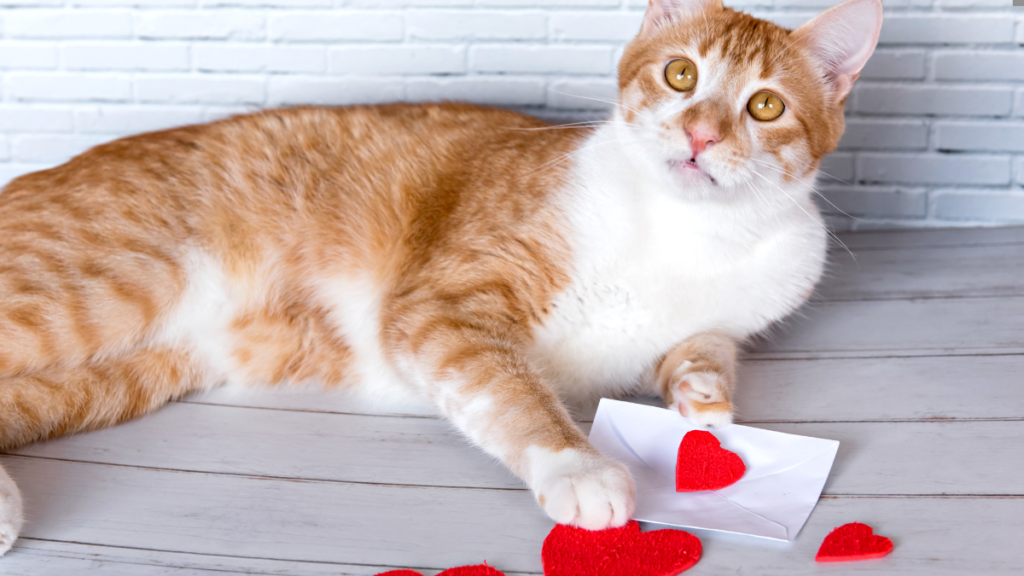
Chocolate. Candy. Sweet things. Valentine’s Day seems to call for these treats—but pet parents know better than to share human Valentine’s goodies with dogs and cats. So what do you do if you want to include your furry family member in the fun? DIY Pet-Safe Valentine’s Treats You Can Make at Home are healthy, easy, and heartfelt ways to celebrate with your dog or cat.
You know your pets probably don’t understand Valentine’s Day the same way we do, but they definitely understand safety, consistency, and positive experiences. By making your own pet-safe Valentine’s treats at home, you get to bond with your pet, provide enrichment, and build trust—all while keeping Fido or Fluffy free from unhealthy additives and excess calories.

Why Homemade Pet Treats Are the Best Option
Many store-bought treats are filled with preservatives, artificial coloring and flavoring, fillers, and other nutritionally empty ingredients. Unless the packaging clearly states otherwise, you can usually assume your pet isn’t getting much nutritional value from generic treats. While they’re fine occasionally, cheap treats shouldn’t be a regular habit.
Although many commercial treats are technically safe, ingredient labels can be confusing and difficult to understand. New or unfamiliar additives seem to appear all the time. That’s why making your own treats is often the safest option.
When you make your own DIY Pet-Safe Valentine’s Treats You Can Make at Home, you know exactly what goes into them. You can use wholesome ingredients you recognize and customize treats to meet your pet’s needs, such as grain-free, low-fat, or allergen-friendly diets.
It’s also reassuring to know that all the foods you typically avoid on Valentine’s Day—like chocolate, raisins, xylitol, and macadamia nuts—are completely left out when you make your own treats. Homemade treats also allow you to prepare several small portions instead of one oversized Valentine’s snack that could upset your pet’s stomach.
Know What Makes a Treat Safe for Pets
Just like humans, every animal has different dietary needs. Some dogs require grain-free diets. Cats are obligate carnivores. Pets can also have allergies and sensitivities. While the following ingredients are safe for most pets, always make sure the treats you prepare are appropriate for your pet’s individual needs.
Safe Dog Treat Ingredients
Dogs can enjoy many foods when they are prepared properly. Some great ingredients for dog treats include:
-
Pumpkin (pure pumpkin only—not pumpkin pie filling)
-
PB2 or peanut butter (must be xylitol-free)
-
Apples
-
Bananas
-
Blueberries
-
Carrots
-
Greek yogurt (plain and unsweetened)
-
Rolled oats
-
Brown rice
-
Eggs (fully cooked)
Dog treats can be shaped into soft bites, baked into crunchy biscuits, or frozen into tasty pupsicles.
Safe Cat Treat Ingredients
Cats need a primarily protein-based diet. While they can eat some of the same foods as dogs, most cat treats should be meat-focused. Safe ingredients include:
-
Cooked chicken or turkey (no seasoning)
-
Cooked fish (boneless and unseasoned)
-
Eggs
-
Pumpkin (small amounts only)
-
Pet-specific bone broth
In general, cats are not fans of sweet flavors like dogs are. Save bananas and fruity ingredients for canine treats.
Ingredients to Avoid
Never include the following ingredients in DIY Pet-Safe Valentine’s Treats You Can Make at Home:
-
Chocolate
-
Grapes or raisins
-
Onions or garlic
-
Xylitol
-
Alcohol
-
Coffee or caffeine
-
Nutmeg
-
Macadamia nuts
-
Excessive salt or sugar

Healthy Valentine’s Treat Ideas for Dogs
Dogs tend to enjoy treats with a wide range of flavors. Thankfully, most dogs are happy to sample just about anything. Start with small batches of any recipe until you know your dog enjoys it.
Heart-Shaped Peanut Butter Dog Biscuits
Most dogs go wild for peanut butter—just be sure it’s xylitol-free. PB2 is a great option because it’s lower in fat and usually free from harmful sweeteners. Oats and eggs add protein and structure to these biscuits.
Ingredients:
-
Rolled oats
-
Natural peanut butter
-
1 egg
-
Water (as needed)
Directions:
Blend oats into a flour-like consistency. Mix in peanut butter and egg. Add just enough water to bind the ingredients together. Roll out the dough, cut into shapes, and bake at a low temperature until firm.
Pumpkin and Banana Soft Dog Treats
Perfect for puppies or senior dogs who struggle with crunchy treats.
Ingredients:
-
Plain canned pumpkin
-
Mashed banana
-
Oat flour
Directions:
Mix all ingredients together and spoon onto a baking sheet. Shape into small hearts if desired. Bake until just set.
Frozen Yogurt Blueberry Dog Treats
Dogs love frozen treats, especially in warmer weather. These yogurt bites are refreshing and antioxidant-rich.
Ingredients:
-
Plain, unsweetened yogurt
-
Blueberries or strawberries (chopped)
Directions:
Mix ingredients and freeze in silicone molds or ice cube trays. These treats are easy to portion and perfect for hot days.
DIY Valentine’s Treat Ideas for Cats
Cats can be very picky, so simple recipes usually work best.
Chicken Cat Bites
Ingredients:
-
Chicken breast
Directions:
Cook plain chicken thoroughly, let it cool, and cut into small pieces. Serve chilled or bake again for a crunchier texture.
Tuna and Egg Cat Treats
Ingredients:
-
One can of tuna (in water, no salt added)
-
1 egg
Directions:
Mix tuna and egg, bake in small portions, and allow to cool. Break into bite-sized pieces. These should be offered occasionally due to tuna’s richness.
Frozen Pet-Safe Bone Broth Cubes
Directions:
Pour pet-specific bone broth into ice cube trays and freeze. These nutrient-rich cubes can also double as training treats.

Train and Bond With DIY Treats
Making pet-safe treats shows love while keeping your pet healthy—but it also strengthens your bond. Preparing food together, talking to your pet, and offering treats during training or enrichment activities builds trust and emotional connection.
Many pets enjoy routines and find comfort in watching familiar kitchen activities. Using homemade treats during training can increase motivation and make learning more enjoyable.
Store Homemade Treats Properly
Homemade treats don’t contain preservatives, so proper storage is essential.
-
Refrigerate soft treats and use within 5–7 days
-
Freeze treats for longer storage (up to three months)
-
Store dry biscuits in airtight containers
-
Label treats with the preparation date
-
Discard any treat that smells off, changes texture, or develops mold
Mind Your Portions
Healthy treats still need to be given in moderation. Treats should never replace meals or make up more than 10% of your pet’s daily calories.
Use treats for training or as occasional rewards—not as meal substitutes.

Customize Treats for Pets With Dietary Restrictions
Every pet is different. Homemade treats make customization easy.
-
Use single-ingredient treats for pets with allergies
-
Choose low-fat proteins for pets prone to pancreatitis
-
Stick to grain-free options when necessary
-
Always consult your veterinarian for pets with medical dietary needs
Celebrate Without Causing Concern
You love your pets and want to share special moments with them. That’s why feeding human Valentine’s food—even in small amounts—can be risky. Celebrate safely with DIY Pet-Safe Valentine’s Treats You Can Make at Home.
Love isn’t shown through dangerous indulgences—it’s shown through consistency, boundaries, and thoughtful choices. This Valentine’s Day, give your pet something homemade and safe. They’ll love you for it.
Final Thoughts
Making homemade Valentine’s treats for your pet is a simple and meaningful way to show love while supporting long-term health. With pet-safe ingredients, proper preparation, and portion control, these treats are both enjoyable and beneficial.
Plus, making your own DIY Pet-Safe Valentine’s Treats You Can Make at Home is fun, rewarding, and empowering. Once you see how easy it is, you may never go back to store-bought treats again.
Save pin for later

- The Cutest Cat Breeds in the World - March 21, 2026
- Black Cat Names That Are as Mysterious and Beautiful as They Are - March 21, 2026
- Did You Know Your Dog Could Have Diabetes? - March 20, 2026