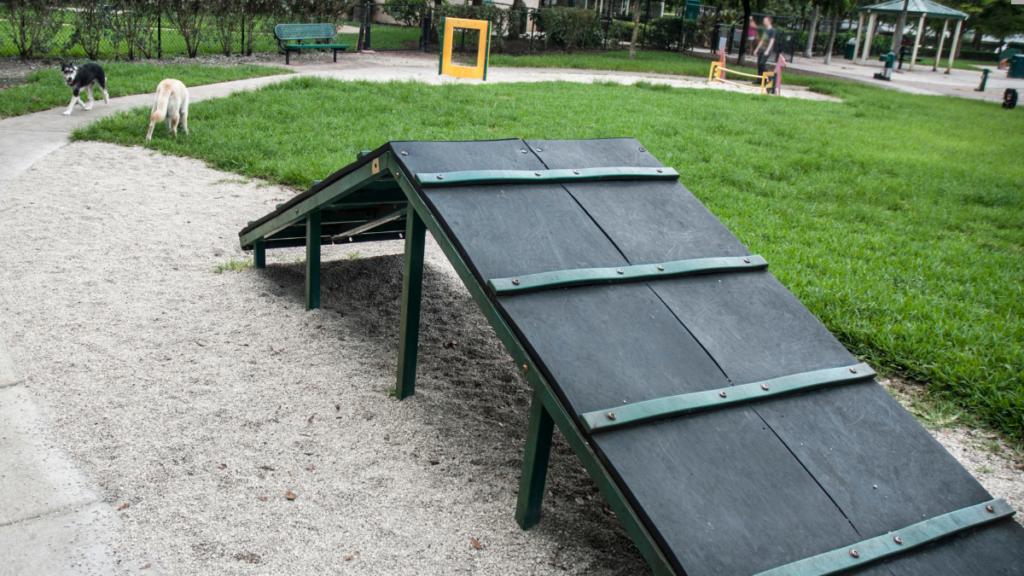
Our dogs are our companions, protectors, and best friends. They complete our families and fill our lives with joy. That’s why we strive to keep them comfortable, safe, and well-cared for. For dog owners whose pets have trouble jumping onto beds, cars, or sofas, DIY ramps and dog steps can be the perfect solution. Inexpensive and easy to make, they can be adjusted in length, material, and design to suit your dog’s needs and your home.
Dog ramps and steps can benefit dogs of all breeds and ages. From playful puppies to senior dogs, from small breeds to the largest dogs, there are options for every pet. Read on to discover how ramps and steps can improve both your dog’s life and yours.
Benefits of Dog Ramps and Steps
The first question most pet owners ask is: “Why?” Here’s a quick overview of the benefits of dog ramps and steps. Many of the same issues that cause humans pain and injury as they age—like joint strain and arthritis—also affect dogs. Hip dysplasia, arthritis, and other mobility issues can make it difficult for dogs to jump safely and land comfortably. Even healthy dogs can be at risk of injury if they repeatedly jump to reach favorite spots.
Some specific benefits include:
-
Protection from Injury: Jumping onto furniture, cars, or beds puts stress on your dog’s hips, knees, and spine.
-
Independence: Once your dog learns to use a ramp or steps, they can access their favorite spots without needing help.
-
Safety: Ramps and steps help prevent falls or slips that could cause broken bones, sprains, or cuts.
-
Aid in Recovery: If your dog is recovering from surgery or an injury, ramps or steps can assist in gentle, safe movement.
Dogs of all breeds and ages benefit from having ramps or steps. Once you understand these advantages, it’s easy to see why more pet owners are turning to DIY dog ramps and steps to keep their pets happy and safe.
Planning the Perfect DIY Dog Ramp or Steps
Before picking up a saw or hammer, a little planning is essential to ensure your ramp or steps are safe and functional. Here are some tips to help you plan your project:
Measurements
-
Height to Target Surface: Measure from the floor to the object your dog needs to reach.
-
Ramp Angle: Dogs move best on gentle slopes. A ramp angle of 18–25 degrees works for most dogs. Smaller or senior dogs may need an even shallower incline.
-
Step Height: The vertical distance between steps should be 5–7 inches for small dogs and 7–10 inches for larger breeds.
Material Choices
The ramp or steps need to be strong, stable, and non-slip. Common options include:
-
Wood: Plywood or pine boards are ideal. Sand any rough edges to avoid splinters.
-
Carpet or Rubber Matting: Adds traction and prevents slipping.
-
PVC or Plastic: Lightweight and weatherproof, though PVC may need extra support for larger dogs.
Design Considerations
-
Foldable or Portable: If the ramp will be moved often, hinges or lighter materials are best. Foldable ramps are great for car trips, while permanent ramps are better for home use.
-
Adjustable Height: Useful for puppies or senior dogs whose jumping ability changes over time.
-
Weatherproofing: For outdoor use, seal wood and use water-resistant materials.
Building a DIY Dog Ramp
Once your planning is complete, it’s time to start building. A simple wooden ramp is a weekend project for most people using basic tools and materials.
Materials You Will Need:
-
1 sheet of 3/4-inch plywood
-
2×4 lumber for the frame
-
Non-slip surface material, such as rubber mat or carpet
-
Screws and wood glue
-
Sandpaper, and optional paint or sealant
Instructions
-
Cut the Plywood: Measure the desired length and width of the ramp, making it as wide as possible for larger dogs. The 3/4-inch plywood should be sturdy enough for most dogs, though doubling up is an option for very large breeds.
-
Build the Frame: Use 2×4s to construct a triangular support frame underneath the ramp for stability. Cut them to size and screw them into place.
-
Attach the Plywood: Secure the plywood to the frame with screws and wood glue for added stability.
-
Add Non-Slip Surface: Cover the ramp with carpet, rubber matting, or textured paint to prevent slipping.
-
Test the Ramp: Make sure it’s stable and can support your dog’s weight. Place it against the target surface and supervise your dog’s first attempts.
This DIY ramp is cost-effective, customizable, and easy to build. You can adjust the size, angle, and surface to meet your dog’s specific needs.
DIY Dog Steps
If your dog prefers steps or if a ramp would take up too much space, DIY dog steps are a great alternative.
Materials You Will Need:
-
Plywood or solid wood boards
-
2×4s for support beams
-
Screws and wood glue
-
Non-slip pads or carpet
Instructions
-
Measure Step Height: Decide how many steps you need and the height of each step. Steps that are too high can be dangerous.
-
Cut Wood Boards: Cut the treads (top boards) and risers (vertical boards) to size.
-
Assemble Steps: Use screws and wood glue to attach the risers to the treads. Make sure each step is level.
-
Add Support Beams: Attach 2×4s underneath for additional stability.
-
Add Non-Slip Material: Cover each tread with carpet or non-slip pads.
-
Test the Steps: Supervise your dog as they explore the steps for the first few times.
Dog steps are ideal for cars, beds, couches, or any area where a ramp might be impractical or take up too much space.
Safety Tips for Dog Ramps and Steps
Even well-built ramps and steps can be unsafe if misused. Keep these safety tips in mind:
-
Supervise: Watch your dog the first few times they use the ramp or steps.
-
Check Stability: Ensure the ramp or steps don’t wobble or slide.
-
Avoid Steep Angles: Too steep or high a step can strain joints or cause injury.
-
Regular Maintenance: Inspect screws, surfaces, and non-slip materials for wear.
-
Train Gradually: Introduce ramps and steps slowly and observe your dog for discomfort.
Customizing Your DIY Dog Ramp or Steps
DIY projects allow for customization. Consider these ideas:
-
Decorate: Paint ramps to match your home décor.
-
Foldable Ramps: Add hinges to make storage easier.
-
Adjustable Height: Design ramps or steps that can grow with your dog.
-
Weatherproofing: Seal wood for outdoor use.
Customizing ensures your ramps or steps suit your dog’s needs while complementing your home.
Training Your Dog to Use Ramps or Steps
Some dogs take to ramps naturally, while others need encouragement:
-
Explore: Let them sniff and familiarize themselves with the ramp on the floor.
-
Use Treats: Encourage your dog to climb using treats or toys.
-
Walk Beside Them: Offer support and confidence during initial attempts.
-
Positive Reinforcement: Praise and reward successful attempts.
-
Practice Regularly: Regular use builds confidence and muscle memory.
Proper training ensures your DIY ramps or steps are used safely and effectively.
When to Call Your Vet
For older dogs or breeds prone to joint issues, consult your veterinarian before installing ramps or steps. Senior dogs, small dogs, or dogs with hip dysplasia or other mobility challenges may benefit the most. If your dog seems to be in pain or is limping after using a ramp or steps, contact your vet immediately.
Budget-Friendly DIY Ramp and Step Options
For those who want low-cost alternatives:
-
Repurposed Furniture: Old drawers or sturdy crates can serve as steps if safely stacked.
-
Cardboard Ramp: Layers of strong cardboard with non-slip tape can create a temporary ramp.
-
PVC Pipe Ramp: Lightweight and easy to assemble with connectors and rubber matting.
Even simple DIY solutions can improve mobility for dogs without a large investment.
Conclusion
DIY dog ramps and steps are an excellent way to keep your dog safer, more comfortable, and independent. With proper planning, materials, and training, you can create ramps and steps that your dog will love for years.
Dog ramps are perfect for getting in and out of cars, on and off beds, sofas, and outdoor decks. Dog steps protect older dogs’ joints or help smaller dogs reach higher surfaces safely. The best part about DIY options is the ability to be creative and add a personal touch that store-bought ramps rarely offer.With a little time and effort, you’ll have a happy, comfortable, and mobile dog ready to enjoy life to the fullest.
Save pin for later

- The Cutest Cat Breeds in the World - March 21, 2026
- Black Cat Names That Are as Mysterious and Beautiful as They Are - March 21, 2026
- Did You Know Your Dog Could Have Diabetes? - March 20, 2026