These DIY Deshedding Tips for Huskies Will Change Your Life
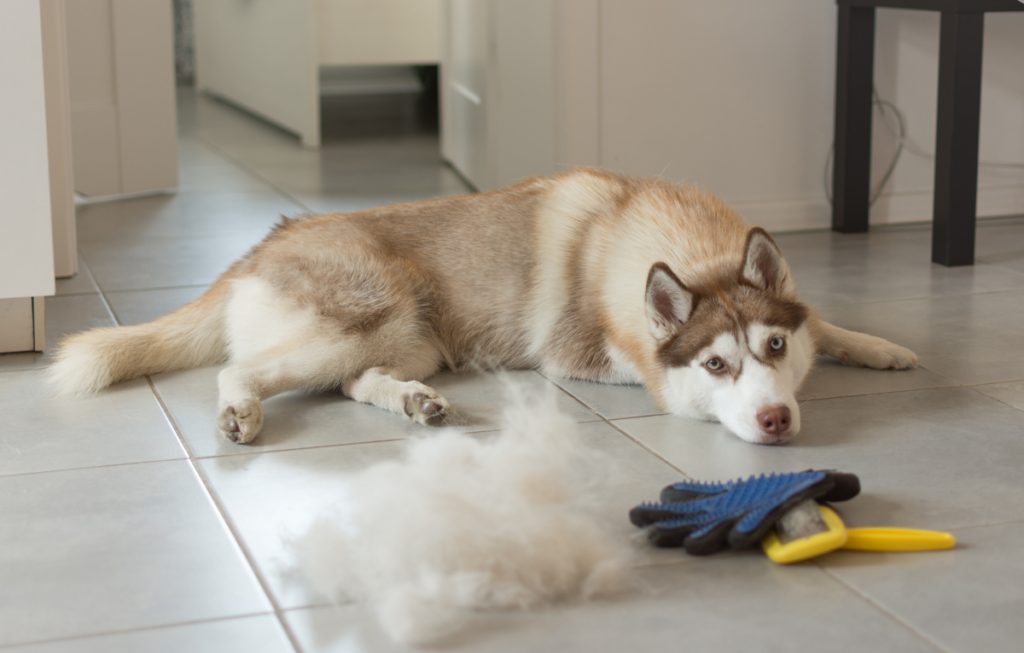
If you own a Husky, you already know what it’s like to find fur on your couch. You already know how it feels when you put on your favorite shirt and somehow the entire sleeve is white. You’ve seen furry tumbleweeds roll across the kitchen floor.
I’ve been there too, and honestly, it comes with the territory. Huskies are absolutely worth it, but they do shed like crazy. Deshedding your Husky can be a pain, but these DIY deshedding tips will make short work of it.
Why Huskies Shed So Much
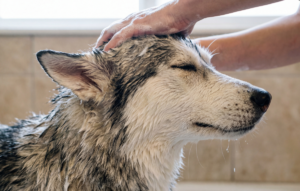
Understanding your dog’s coat is the first step to controlling shedding. Huskies have a thick double coat made up of two layers. The bottom layer is called the undercoat — it’s short, dense, and fluffy. On top of that is the longer topcoat, which sheds more slowly throughout the year.
These coats serve a very real purpose. They help your dog stay warm in winter and cool in summer by trapping insulation next to their skin. But because the insulation needs constant replacing as it becomes dirty and worn out, Huskies shed a ton of fur.
Most of the shedding you deal with occurs when your dog blows their coat. Blowing their coat is what Huskies and other double-coated breeds call the process of casting off the dead winter coat in preparation for new growth. It happens twice a year and usually lasts two to four weeks. It’s when you’ll see the most fur come off your dog.
Outside of coat blow seasons, Huskies shed moderately year-round. Don’t let anyone sell you a “non-shedding” Husky — there’s no such thing. You just have to manage the shedding effectively.
Setting Up Your DIY Deshedding Routine
Here’s the thing — consistency is king. You will get more loosened fur from brushing your Husky three to four times per week than from trying to thoroughly groom your dog once a month.
Set up a regular brushing routine that fits your schedule. Regular brushing prevents the undercoat from matting into the topcoat, keeps fur off your furniture, and keeps your dog’s skin clean and aired out. Pick a time and stick with it. Ideally, you want to brush your dog right before they spend a long stretch indoors so you can minimize how much hair they track inside.
The Right Tools Make All the Difference
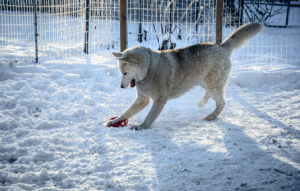
This isn’t something you can do with cheap tools. Specialty brushes designed for thick fur make all the difference. Spend the money on good tools that will last. Here are the brushes every Husky parent should have.
Undercoat Rake — An undercoat rake features long, rotating teeth that can penetrate through the topcoat and catch loose hairs deep in the undercoat. Gently run the rake through your dog’s coat in the direction of hair growth. This tool is non-negotiable for Husky owners.
Slicker Brush — Once you’ve gone over the coat with your undercoat rake, run a slicker brush through the coat to smooth down the topcoat and catch any remaining surface hairs. It also helps loosen topcoat hairs for easier brushing the next time, and it keeps your dog looking polished.
Deshedding Tool — Grab a deshedding tool to really blast through loose fur when your Husky is blowing their coat. These tools are specifically designed to penetrate through the topcoat and remove dead hairs from deep in the undercoat. Use it once or twice during heavy shedding periods — any more than that risks stripping the topcoat unnecessarily.
Fine-Toothed Comb — This will help you work through stubborn tangles that form around the ears, paws, and backs of legs.
Step-by-Step: How to Actually Do It
Brush your dog outside whenever possible. Doing it indoors just sends loose fur onto your furniture and floors. You also want somewhere well lit so you can easily spot loose fur coming out of the coat.
Start at the back of your dog and work your way toward the head. Dip your rake into the coat and pull upward in short strokes. Don’t drag the rake across the skin — lift it at the end of each stroke. By the time you finish the back half of your dog, you’ll have a nice collection of loose fur in your hands.
Run the slicker brush through the entire coat in the direction the hairs grow. Focus on the chest, belly, backs of legs, and other areas where fur tends to build up.
Finally, go over your dog with a deshedding tool. Focus on their back, sides, and neck where the dense undercoat is thickest. Keep brush strokes short and don’t rush.
Use the comb to work through the hair behind your dog’s ears and around their paws. Small knots tend to develop in these areas because your dog can’t easily scratch them out. The whole process should take around 20 to 30 minutes done thoroughly. Most Huskies don’t mind being brushed at all — the brushes feel like a massage to them.
Bathing: The Underrated Deshedding Weapon
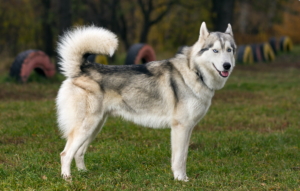
Brushing regularly is only half the battle. Bathing helps loosen dead fur trapped in the undercoat and makes it much easier to brush out afterward.
Use a shampoo and conditioner designed for heavy-shedding dogs. They help lift and loosen the dense undercoat while conditioning the topcoat. After bathing, dry your dog thoroughly with a towel, then use a high-velocity dryer — not a human hair dryer. These dog dryers blast air at high speeds and literally blow loose fur out of your dog’s coat as it dries. Brush your dog one more time after the bath and you’ll be amazed at how much extra fur comes out.
Diet and Coat Health
Tools can only do so much. A big part of keeping your Husky’s coat healthy and minimizing excessive shedding comes down to what they eat. A poor diet means a weak coat — one that lacks healthy oils, becomes brittle, and sheds more harshly.
Make sure your dog is eating high-quality food with real protein as the main ingredient. Omega-3 fatty acids are incredibly important for coat health. Add a fish oil supplement to their food each day and their coat will look shinier and feel softer within a few weeks. Always keep fresh water available too — a dehydrated dog sheds more.
Managing Shedding Season
You’ll know when your Husky starts blowing their coat. Fluffy patches of fur will literally start lifting off their body on their own, and within days your house will be overrun with tumbleweeds.
During coat blow seasons, daily brushing isn’t excessive — it’s necessary. Each session will feel like you’ve peeled off an entire layer of fur. Keep up with baths too; once every two weeks helps loosen more dead fur and speeds up the blow. The sooner the old coat is out, the sooner life returns to normal.
Under no circumstances should you shave your Husky. Shaving a double-coated dog does not stop shedding. It permanently damages the coat’s ability to regulate body temperature and actually makes your life harder. Leave the coat intact and manage it through proper grooming instead.
Keeping Your Home Under Control
Even with a solid grooming routine, some fur will still find its way onto your furniture — that’s just Husky life. Install washable slipcovers on your sofas and dog beds so you can toss them in the wash instead of fighting embedded fur. Vacuum at least twice a week during shedding season. A robot vacuum running daily is genuinely a game changer for Husky owners.
Conclusion
Managing Husky shedding is really about building the right habits and sticking to them. With the proper tools, a consistent brushing schedule, smart bathing techniques, and a quality diet, you can keep your dog’s coat healthy and your home far more manageable.
These DIY deshedding tips for Huskies won’t eliminate shedding entirely — nothing will — but they will put you firmly in control of it. Start the routine, stay consistent, and what once felt like a daily battle will just become part of the rhythm of owning one of the most beautiful breeds out there.
Save pin for later

- 15 Genius Dog Owner Hacks You Wish You Knew Sooner - March 12, 2026
- How Do You Choose the Right Dog Breed? - March 12, 2026
- How to Choose the Best Dog Food for Your Dog’s Age - March 12, 2026