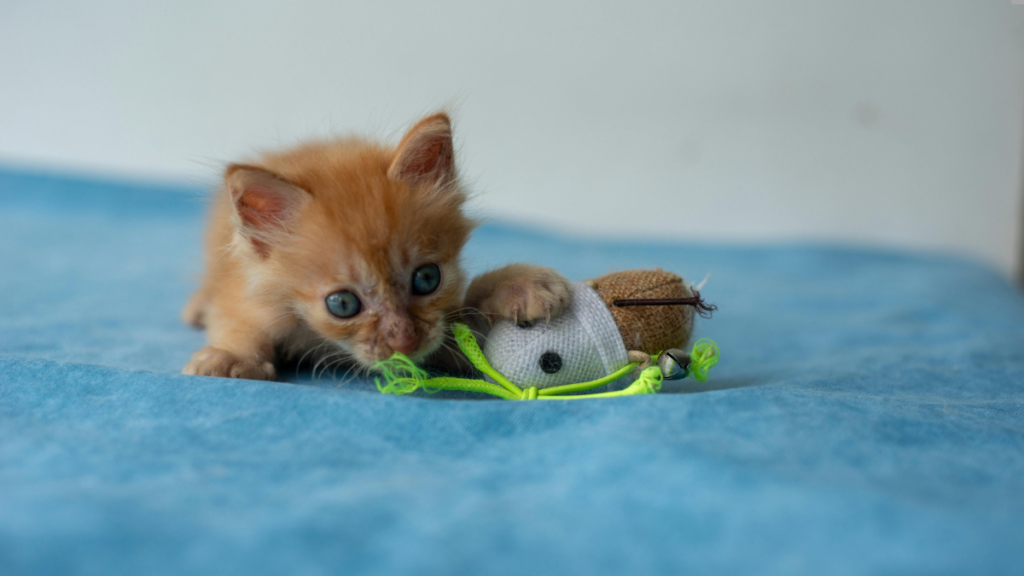
Cats have always been mysterious and unpredictable creatures. They are often fickle and hard to please. Yet, loving pet parents always find ways to entertain, occupy, and mentally stimulate their furbabies. That’s where DIY cat toys cats actually use come in handy! They allow you to save money, reduce waste, get creative, and enjoy the process — all while keeping your cat happy, active, and affectionate.
In this post, we’ll explore why DIY cat toys can be better than store-bought options, how to make several toys from everyday items, safety tips, and ways to make playtime more interactive. These ideas are practical, budget-friendly, and beloved by cats everywhere.
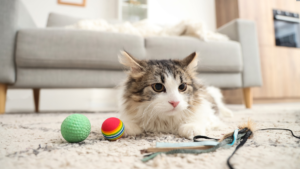
Why Make DIY Cat Toys?
Before diving into projects, you might ask: why not just buy toys? The answer is simple — homemade toys are more engaging, customizable, and safe for your pet.
1. Curiosity Loves Novelty
Cats, like other animals, get bored quickly. A new toy — especially one that smells interesting, moves unpredictably, or dangles — instantly captures attention and triggers their hunting instincts. DIY toys let you rotate objects of interest for your cat without spending a fortune.
2. You Control the Quality
Store-bought toys sometimes contain small parts, strong glues, or toxic plastics. With DIY toys, you choose safe, pet-friendly materials. You can avoid choking hazards and select fabrics your cat prefers.
3. Budget-Friendly and Eco-Friendly
Many DIY toys use recycled or inexpensive household items like cardboard, string, or fabric scraps. You save money while reducing waste. Turn old boxes, tissues, or fabric into toys your cat will adore.
4. Strengthens Human-Pet Bond
Cats appreciate attention almost as much as toys. Creating toys for them makes playtime more interactive and helps you learn what types of play your cat enjoys most.
Safety First: What to Consider
Even simple toys require safety precautions:
-
Non-toxic materials: Avoid paints, dyes, and glues not labeled pet-safe. Cats explore with mouths and tongues.
-
Small parts: Bells, beads, buttons, or feathers that detach can be swallowed.
-
Strings and ribbons: Only use under supervision and store afterward.
-
Inspect for wear: Repair or discard toys with loose stuffing or fraying fabric.
-
Size matters: Toys should be large enough not to swallow but small and soft enough to bat, carry, and bite safely.
Easy DIY Cat Toys That Actually Work
These simple ideas can be made in under 10 minutes with household items.
1. Classic Toilet Paper Roll Toy
Materials: Empty toilet paper rolls, scissors
Instructions: Flatten slightly, cut slits around one edge, fold tabs inward irregularly.
Why Cats Love It: Lightweight, crinkly, and rolls unpredictably — perfect for batting.
2. Feather-and-String Teaser Wand
Materials: Stick, string, feathers or fabric strips, non-toxic glue or tape
Instructions: Tie string to stick, attach feathers/fabric, secure with glue or tape.
Why Cats Love It: Mimics birds and small prey, triggering hunting instincts. Move it in different directions to encourage pouncing and leaping.
3. Cardboard Puzzle Box
Materials: Small box, paper towel rolls, treats, scissors
Instructions: Place treats inside, cut holes for paws, insert paper towel rolls as obstacles.
Why Cats Love It: Encourages problem-solving and interactive play.
4. Crinkle Sock Toy
Materials: Old sock, crinkle paper or clean plastic, optional catnip, string
Instructions: Fill sock, tie end securely.
Why Cats Love It: Crinkle sound and optional catnip make it perfect for batting, tossing, and pouncing.
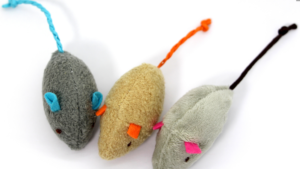
5. DIY Felt Mice
Materials: Felt scraps, needle and thread (or glue), cotton or scrap stuffing, optional bell
Instructions: Cut mouse shapes, sew or glue edges, stuff lightly, add a tail.
Why Cats Love It: Soft, small, and mimics prey, encouraging natural hunting behavior.
6. Ice Cube Chase
Materials: Ice cubes (plain or with cat-safe broth)
Instructions: Place on the floor.
Why Cats Love It: Slippery and unpredictable movement makes for quick bursts of fun.
7. Ball Pit Play
Materials: Shallow box, lightweight balls, treats
Instructions: Fill box with balls, hide treats inside.
Why Cats Love It: Creates a mini treasure hunt and keeps them active.
Tips to Encourage Play
-
Rotate Toys: Keep interest high by switching toys every few days.
-
Interactive Play: Spend 10–15 minutes daily playing together.
-
Observe Preferences: Some cats prefer feathers, others balls or puzzles.
-
Create a Play Schedule: Consistent morning and evening sessions help manage energy.
-
Use Treat Rewards: For puzzle toys, treats can motivate and reinforce engagement.
Cat Enrichment: Beyond Toys
-
Window Perches: Provide entertainment even when you’re busy.
-
Boxes: Simple cardboard boxes often outshine elaborate toys.
-
Cat Grass: Safe grass patches let cats nibble and explore naturally.
-
Vertical Space: Cat trees, shelves, or stacked cushions let them explore and feel secure.

DIY Cat Toys Cats Might Not Like
Even the best intentions can fail. Avoid:
-
Tiny, swallowable parts like beads or feathers
-
String toys left unattended
-
Toxic materials like unsafe glues, dyes, or tapes
-
Overstuffed or overly complex toys
A simple approach often works best. Movement and texture matter far more than complexity.
Conclusion
If you want a happy, active, and mentally stimulated cat, DIY cat toys cats actually use are a fun, creative, and budget-friendly solution. Cardboard puzzles, feather wands, crinkle socks, and felt mice offer options for every play style. These toys strengthen the human-pet bond and enrich your cat’s life.
Homemade toys don’t need to be complicated — they pay off with a joyful, playful cat. Grab old boxes, scraps of fabric, and get creative. Your cat will reward you with purrs, zoomies, and maybe a headbutt or two!
Save pin for later


- The Cutest Cat Breeds in the World - March 21, 2026
- Black Cat Names That Are as Mysterious and Beautiful as They Are - March 21, 2026
- Did You Know Your Dog Could Have Diabetes? - March 20, 2026