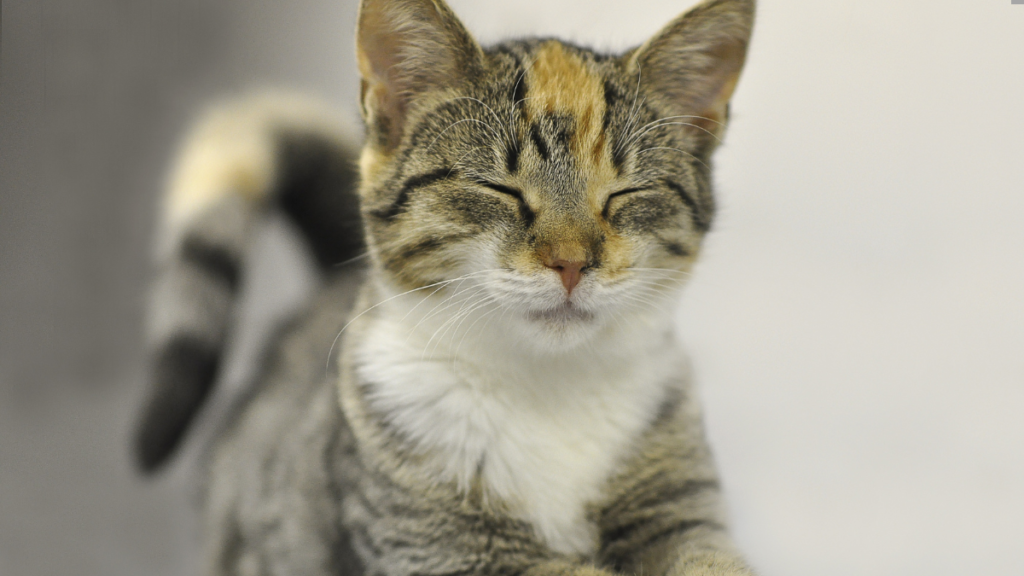
When we think about kittens and play, it feels natural. Kittens chase everything, and adult cats often play with toys too. But what about cats that are geriatric? Surely old cats no longer need play. After all, they often sleep a lot. They aren’t as active as younger cats. They seem less interested in toys and more sedentary. Well, not exactly.
Play is important for cats of all ages, including older cats. As cats age, they may play differently than they did when they were younger. They might not leap across the room or chase toys for long periods, but play still benefits their physical and mental health and strengthens the bond between cats and people.
What Does “Older” Mean in Cats?
Cats reach their senior years around the age of 7 to 10. They are considered geriatric or senior cats at 15 years or older. As cats age, they go through both physical and mental changes.
Physical Changes in Older Cats
Older cats may experience:
-
Reduced muscle mass
-
Stiff joints or arthritis
-
Less flexibility
-
Slower reflexes
-
Changes in vision or hearing
These changes affect a cat’s mobility and how they interact with their environment. This is why some people may think older cats don’t want to play.
Mental and Emotional Changes in Older Cats
Cats’ brains also age, and older cats may:
-
Get bored more easily
-
Experience cognitive decline
-
Feel stressed or anxious
-
Become less confident in new situations
This is one of the reasons play is especially important for older cats. It helps keep them mentally and emotionally stimulated, as well as physically healthy.
Why Play Is Still Important for Older Cats
The most important thing to understand is that older cats still need play. Play is essential for cats of all ages. It provides both physical and mental stimulation, reduces stress, and supports a healthy bond between cats and people. Regular play also helps cats:
-
Maintain muscle tone and joint mobility
-
Improve circulation
-
Control their weight
-
Stay mentally sharp
-
Reduce anxiety and stress
In fact, many of these benefits are even more important for older cats than for younger cats. Regular play can help keep your senior cat healthy and active in their later years.
How Play Changes as Cats Age
Older cats still need play, but the type of play often changes. By understanding how play evolves as cats age, it becomes easier to adapt playtime to meet your cat’s needs.
Less Intense, More Thoughtful Play
Older cats tend to play less intensely. They often:
-
Make slower movements
-
Play in shorter sessions
-
Enjoy toys that come to them rather than long chases
This does not make play less valuable—just different.
Shorter but More Frequent Sessions
Senior cats may tire more quickly. Try offering 2–3 short play sessions per day, lasting 5–10 minutes each, instead of one long session.
Comfort Is Key
Older cats may have sore joints or reduced balance. Make sure your play area includes:
-
Non-slip surfaces
-
Comfortable play spots
-
Easy access to a nearby resting place
Common Myths About Senior Cats and Play
Many myths and misconceptions about senior cats and activity can prevent people from playing with older cats. These include:
Myth 1: “My cat sleeps all day, so they don’t want to play.”
Senior cats do sleep more, but that doesn’t mean they don’t enjoy activity. Cats are naturally most active at dawn and dusk, so you may just need to adjust your timing.
Myth 2: “Play might hurt my older cat.”
Safe play, when done correctly, is not dangerous. Gentle, low-impact play can help reduce stiffness and keep joints mobile.
Myth 3: “My cat isn’t interested in toys.”
Often, it’s not that the cat doesn’t want to play—it’s that the toys or play style aren’t suitable for their age. Try different types of toys to see what your cat responds to.
Types of Toys for Older Cats
Choosing the right toys is key to encouraging senior cats to play. The following toys are great options for older cats.
Interactive Wand Toys
Wand toys are excellent for senior cats because:
-
You control the speed and height
-
They mimic prey
-
They allow play without excessive jumping
Keep movements slow and close to the ground.
Puzzle Toys and Food Games
Puzzle feeders provide mental stimulation while encouraging gentle movement. They:
-
Combine play with mealtime
-
Reduce boredom
-
Promote problem-solving
These are especially helpful for older, indoor-only cats.
Soft Balls and Lightweight Toys
Soft balls and lightweight toys are ideal because they’re easy to bat around and don’t require much speed or movement.
Catnip Toys (Sometimes)
Some older cats still respond strongly to catnip, which can be a great way to engage them in play. However, not all cats are sensitive to catnip, and the effect may weaken with age.
Encouraging a Reluctant Senior Cat to Play
If your older cat is reluctant to play, don’t give up. You may just need a little patience and creativity.
Watch Your Cat
Look for signs of interest, such as:
-
Watching the toy without engaging
-
Ears or tail moving
-
Eyes tracking movement
These behaviors often indicate curiosity and potential interest in play.
Make Play a Routine
Cats thrive on predictability. Try to play:
-
Before meals
-
At the same time each day
-
In a quiet, familiar space
Routine helps cats anticipate and look forward to playtime.
Reward and Encourage
Gently praise your cat and offer treats after playtime. Positive reinforcement helps them associate play with positive experiences.
Health Conditions and Play in Older Cats
Older cats often have health conditions that affect how they play. Always consider your cat’s individual health needs.
Arthritis and Joint Pain
For cats with arthritis, it’s best to:
-
Avoid jumping or climbing games
-
Keep play low to the ground
-
Use soft surfaces like rugs or carpet
Gentle movement can help maintain joint flexibility.
Vision or Hearing Loss
If your cat has sensory changes, try to:
-
Use toys that make noise or have scents
-
Move toys slowly
-
Avoid sudden or startling movements
When to Consult Your Vet
If your cat suddenly stops playing or shows signs of pain, consult your veterinarian. Changes in behavior can sometimes signal underlying health issues.
Emotional Benefits of Play for Older Cats
Play offers emotional benefits in addition to physical ones.
Bonding Between Humans and Cats
Interactive play strengthens trust and deepens the bond between you and your cat. This connection can be especially comforting for older cats.
Preventing Loneliness
Senior cats, particularly those in single-cat households, can experience loneliness. Regular play provides valuable interaction and engagement.
Supporting Confidence and Independence
Play allows older cats to express natural hunting and stalking behaviors, helping them stay confident and emotionally healthy.
Creating a Play Environment for Senior Cats
A safe and comfortable environment can encourage older cats to play.
Easy Access to Favorite Areas
Make sure your cat can easily reach favorite resting spots, play areas, litter boxes, and food bowls.
Safe and Calm Play Spaces
Minimize loud noises and distractions during playtime to help your cat relax and focus.
Rotate Toys
Rotate toys every few days to prevent boredom and keep playtime interesting.
Final Thoughts
Age is not the end of play. Senior cats still need and benefit from regular play. It helps keep them physically healthy, mentally sharp, and emotionally balanced.
Did you know older cats need play? The answer is a resounding yes. While the type and intensity of play may change, its value does not. With patience, observation, and creativity, you can help your cat stay active and engaged for years to come.
Save pin for later

- Best Dog Crate Picks for Dog Owners - March 13, 2026
- Top 10 Insane Facts About The Cane Corso - March 13, 2026
- Pet Insurance For Dogs Explained! - March 13, 2026