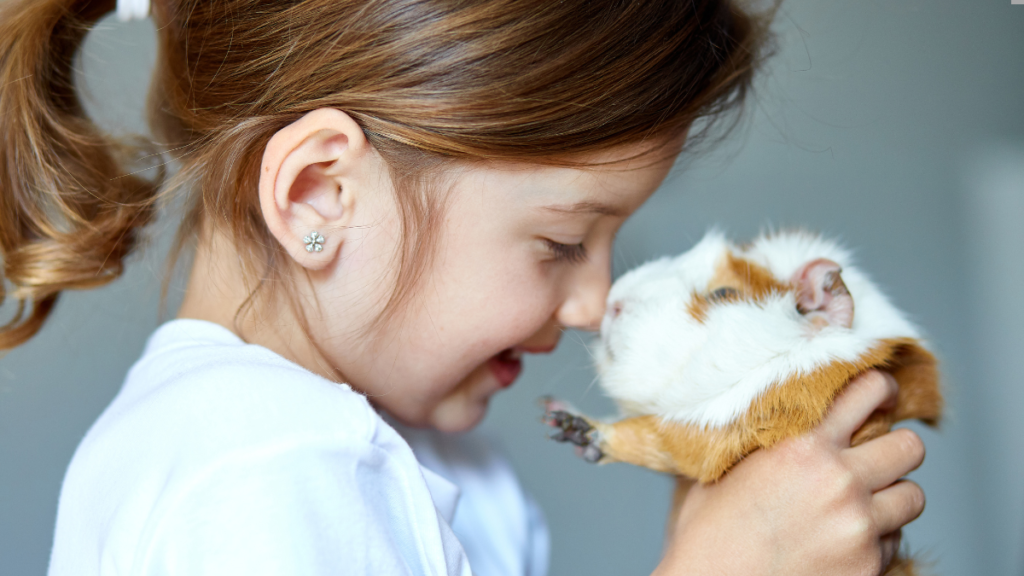
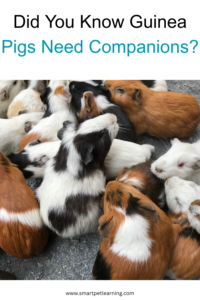
Guinea pigs are adorable, social creatures that make great pets. Their soft fur, playful nature, and gentle squeaks make watching them fun and rewarding. However, there is an essential fact that new owners must keep in mind: did you know guinea pigs need companions? Guinea pigs require social interaction with their kind to stay healthy and happy, and owning a single pet is simply not ideal.
As you consider adding a cavy to your home, it is vital to research their care needs and gather all the necessary supplies before making the purchase.
Guinea Pigs Are Social Animals
Guinea pigs, also called cavies, are highly social animals. In the wild, they live in groups of up to 20 members called herds. There, they rely on each other for safety, warmth, and communication. This behavior carries over into their lives in captivity and manifests in various ways.
A solitary cavy can feel stressed, lonely, and unhappy. Symptoms of loneliness include frequent squeaking, loss of appetite, inactivity, and depression. On the other hand, a companion provides support, mental stimulation, and a sense of security. Guinea pigs often share behaviors such as grooming, playing, or simply cuddling together.
Research and decades of observations from other cavy owners have proven that guinea pigs are happier and more comfortable with a friend. That is why we emphasize: did you know guinea pigs need companions? In other words, consider adopting a pair of guinea pigs instead of just one!
Why Did You Know Guinea Pigs Need Companions?
A single guinea pig can survive alone but will not be as healthy, happy, or active as one with a companion. You may wonder, why did you know guinea pigs need companions? Here are some of the most apparent benefits of keeping cavies in pairs or groups:
Safety in Numbers
A single guinea pig is constantly on guard, scanning its surroundings for potential threats. Having another animal nearby allows both cavies to feel safer and more confident. They can take turns staying alert, exploring freely, and resting. Of course, they also enjoy snuggling together for extra warmth and bonding—a behavior known as huddling.
Behavioral Benefits
Lonely guinea pigs are more likely to develop stress- or boredom-related behaviors, such as bar-chewing, over-grooming, or even aggression. In contrast, a companion keeps them entertained, mentally stimulated, and content. Guinea pigs are intelligent, sociable animals who enjoy playing, communicating, and learning from each other. There are countless activities they can share that even the most attentive human cannot fully provide.

Choosing a Compatible Guinea Pig
When considering a new companion for your guinea pig, it is crucial to choose carefully. Guinea pigs, like people, have different temperaments and preferences. The wrong pairing can lead to conflicts, stress, and loneliness for both animals. Consider the following when selecting a suitable cavy:
Gender and Neutering
Same-gender pairings usually bond more easily. However, keeping an unneutered male and female together will likely result in pregnancy. To keep a mixed-gender pair, neuter the male first. Neutering also tends to reduce aggressive tendencies in males, making socialization smoother.
Age and Size
Pairing guinea pigs of similar age and size often increases the chances of a successful introduction. A large adult cavy may intimidate a smaller one, causing stress. Conversely, a young, playful guinea pig may overwhelm a more sedentary older companion. Matching their activity levels can help ensure harmony.
Temperament
Guinea pigs have individual personalities, with some being shy and others more outgoing. Observe their temperament before bringing them together to anticipate any conflicts. Finding the perfect match may take a few attempts, but it is well worth the effort.
Introducing Guinea Pigs
Introducing two guinea pigs requires patience and planning. A sudden, unprepared meeting in their cage can result in fighting or injury. Follow these steps for a smoother introduction:
Neutral Space
Introduce the guinea pigs in a neutral space—not in either guinea pig’s home cage. Introducing them in their territory increases the risk of territorial aggression.
Short, Supervised Sessions
Start with brief interactions and gradually increase their duration and frequency. Always supervise and be ready to separate them if aggression occurs.
Observe Body Language
Positive signs include sniffing, gentle nudging, following, or playing. Negative signs include chasing, biting, squealing, or puffed-up fur.
Separation and Retry
If a fight occurs, separate the guinea pigs and try again later. Sometimes, they require multiple short introductions before forming a bond.
Shared Space
Once positive interactions are consistent, gradually move them into a shared cage. Ensure sufficient hiding places, food, and water to prevent competition.
Patience is essential during introductions. Rushing the process can cause injuries and long-term stress, but a successful introduction can result in a happy, lifelong friendship.
Benefits of Guinea Pig Companionship
Here are some of the many benefits of keeping guinea pigs with companions:
Less Stress
Social bonds help guinea pigs feel secure. A companion provides reassurance and comfort in unfamiliar or stressful situations, such as vet visits or cage cleaning.
Better Physical Health
Guinea pigs often play, run, and explore together, increasing their activity levels and helping to maintain a healthy weight.
Mental Health
Lonely cavies are prone to boredom, anxiety, and behavior issues. Interaction with a companion keeps their minds active and engaged.
Emotional Health
Guinea pigs communicate using body language, sounds, and even gentle purrs. Without a companion, a cavy may struggle to express itself fully.
Social Learning
Young guinea pigs learn important skills from older companions, such as foraging, using hiding spots, and responding to stimuli. Adult cavies also benefit from these social cues.
Preparing a Cage for Guinea Pig Companions
Providing a suitable environment is essential for guinea pigs to thrive together. Here are some tips:
Cage Size
The cage should be spacious enough for both guinea pigs to move freely and have multiple hiding spots. A minimum of 7.5 square feet for two guinea pigs is recommended, but larger is always better.
Hideaways
Each cavy should have at least one hideaway to retreat to, which helps reduce stress and prevent conflicts.
Food and Water
Provide multiple food bowls and water bottles to avoid competition and ensure all guinea pigs can eat and drink comfortably.
Enrichment
Include tunnels, chew toys, and hay racks to encourage activity and social play.
Final Word
Guinea pigs are social, furry, and charming pets—but did you know guinea pigs need companions? We have explained why companionship is essential, the benefits of socialization, how to introduce new cavies properly, and how to set up a suitable cage.
A single guinea pig is not enough. Do not buy only one unless you are 100% certain you can provide it with the same level of social interaction it would naturally get from a friend. Guinea pigs are social animals—they need companions, or they will become lonely and unhappy.When considering getting a guinea pig, think in pairs. It doubles the fun and significantly improves your pet’s quality of life.
Save pin for later

- The Cutest Cat Breeds in the World - March 21, 2026
- Black Cat Names That Are as Mysterious and Beautiful as They Are - March 21, 2026
- Did You Know Your Dog Could Have Diabetes? - March 20, 2026